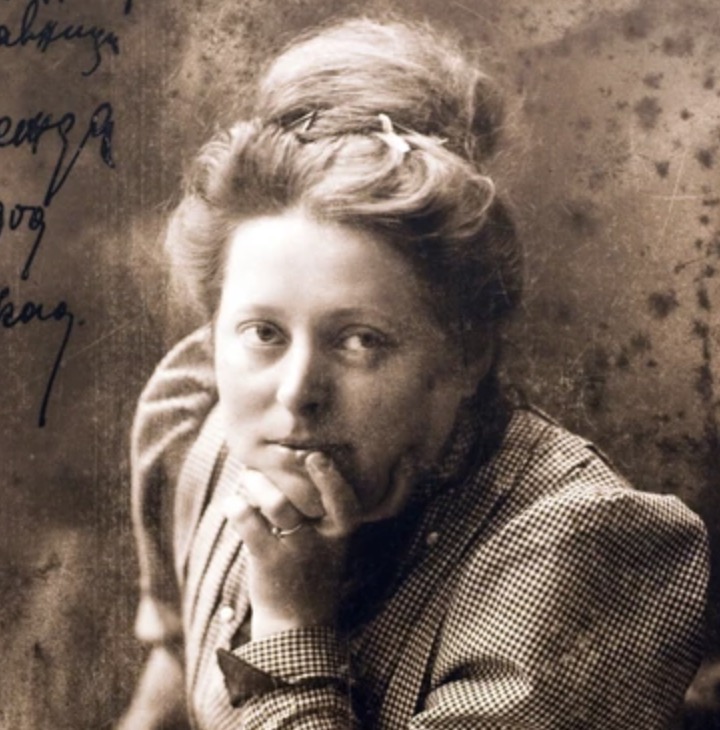


Надежда Петровић (Serbian Cyrillic) | Nadežda Petrović (Father: Dimitrije Petrović, an art teacher; Mother: Mileva Zorić, a teacher; Brother: Rastko Petrović, a prominent writer and diplomat. She was the eldest of 13 children.)
Nadežda Petrović (1873–1915) was a trailblazing Serbian painter, a pioneer of war photography, and arguably the most important female artist in Serbia at the turn of the 20th century. She is widely celebrated as the mother of Serbian modernism, having boldly introduced Expressionist and Fauvist tendencies to a largely conservative and traditional domestic art scene.
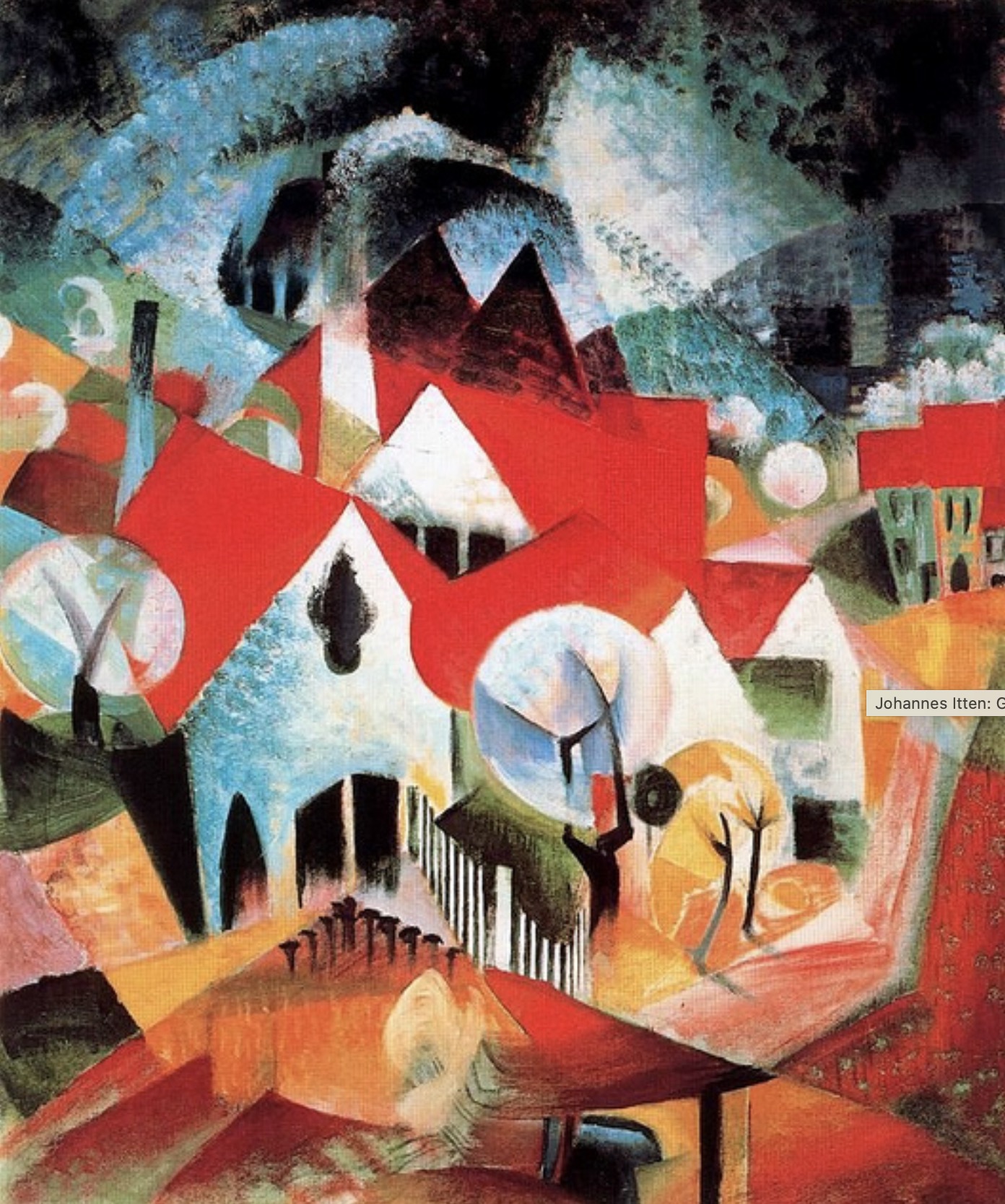
Born in Čačak to a highly educated family, Petrović was immersed in art, history, and literature from a young age. After graduating from the Women’s School of Higher Education in Belgrade, she began working as an art teacher before moving to Munich in 1898 to further her studies. There, she trained under the Slovenian master Anton Ažbe and later Julius Exter. Munich exposed her to radical avant-garde movements, and she abandoned academic realism in favor of a highly energetic style characterized by raw, unmixed colors, thick impasto, and rapid, expressive brushstrokes.
Her subjects ranged from striking portraits and scenes of rural peasant life to vibrant depictions of the Serbian landscape and historical monuments, such as her famous Gračanica Monastery. While her unfiltered, modern aesthetic was initially met with harsh criticism by the Belgrade elite—who preferred idealized beauty—she remained uncompromising in her artistic vision.
Beyond her art, Petrović was a fierce patriot and dedicated social activist. In 1903, she co-founded the Circle of Serbian Sisters (Kolo Srpskih Sestara), a humanitarian organization. When the Balkan Wars and eventually World War I broke out, she repeatedly refused offers to evacuate to safety. Instead, she served tirelessly as a frontline volunteer nurse for the Serbian army, miraculously continuing to paint and photograph in the brief respites between tending to the wounded. Tragically, she contracted typhus and died at a field hospital in Valjevo in 1915. Today, she is remembered as both a cultural visionary and a national hero, and is the only woman featured on a Serbian banknote.
Active in others filds : Photography (Pioneer of female war photography), Nursing (Volunteer Combat Nurse), Human Rights & Political Activism, Art Education.