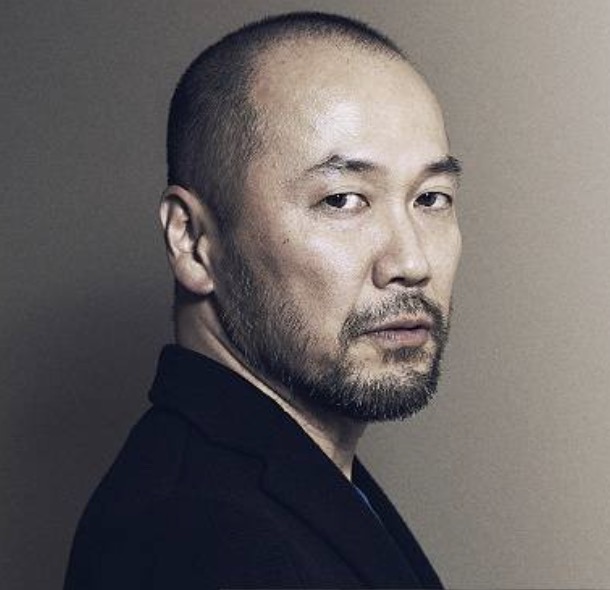

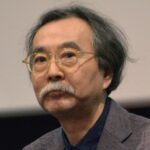

井上 雄彦 (Inoue Takehiko) | Takehiko Nariai (成合 雄彦) (born 1967) is a legendary Japanese manga artist best known for his highly detailed, realistic art style and his masterful storytelling, particularly within the sports genre. He is widely credited with popularizing basketball in Japan and is considered one of the greatest sequential artists of his generation.
Inoue began his career as an assistant to Tsukasa Hojo on the popular manga City Hunter. He made his solo debut in 1988 with Purple Kaede, but his monumental breakthrough came in 1990 with the serialization of Slam Dunk in Weekly Shōnen Jump. Slam Dunk became a cultural phenomenon, selling over 170 million copies worldwide and deeply influencing youth sports in Asia. During this period, his art style evolved rapidly from standard 1980s manga stylings into incredibly dynamic, anatomically precise illustrations.
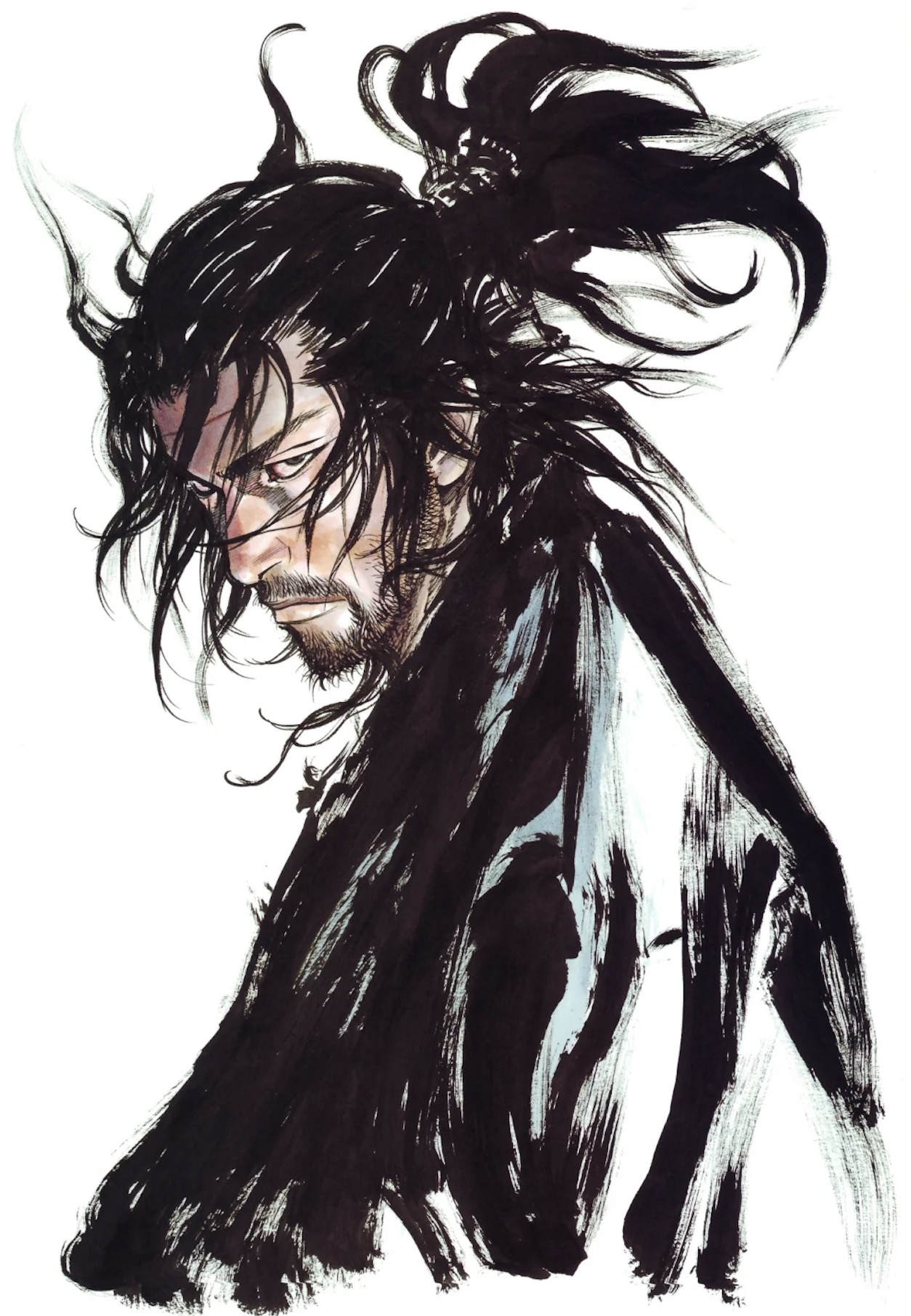
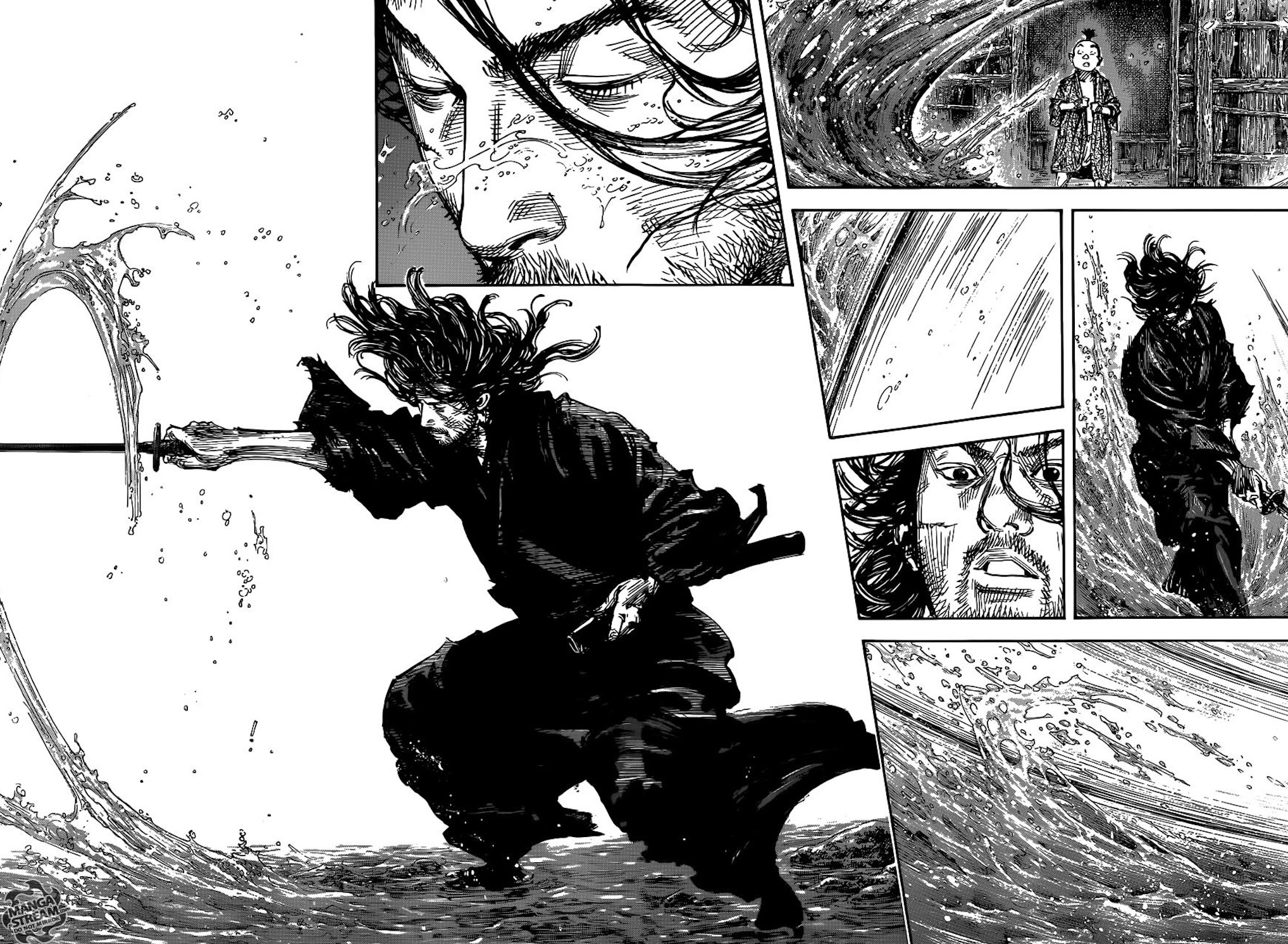
Following Slam Dunk, Inoue pushed his artistic boundaries even further with Vagabond (started in 1998), a fictionalized, philosophical retelling of the life of the historical swordsman Miyamoto Musashi. For Vagabond, Inoue largely abandoned traditional manga dip pens in favor of the traditional Japanese calligraphy brush, utilizing stunning ink wash (sumi-e) techniques to create breathtaking, painterly landscapes and visceral action sequences. Simultaneously, he began serializing Real (1999), a raw, emotionally complex manga about wheelchair basketball that further cemented his mastery of human anatomy and emotional expression.
Beyond drawing manga, Inoue is a dedicated philanthropist, having established the Slam Dunk Scholarship to send talented Japanese high school basketball players to study and play in the United States. In recent years, he expanded his artistic repertoire to film, writing and directing the critically acclaimed, box-office smash hit anime film The First Slam Dunk (2022).
Active in others filds : Film Directing and Screenwriting (The First Slam Dunk), Video Game Character Design (specifically for Hironobu Sakaguchi’s Lost Odyssey), Philanthropy.