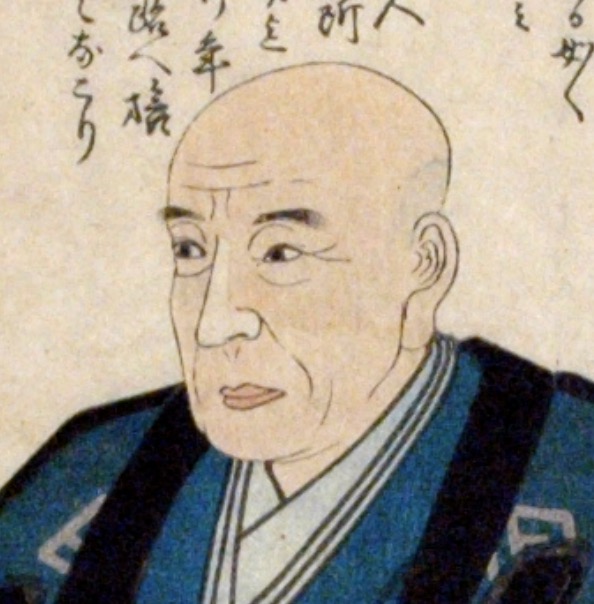



Andō Tokutarō (Father: Andō Gen’emon, a samurai and official fire warden; Mother died when he was 11; Spouses: Okabe Yayoi, Oyasu)
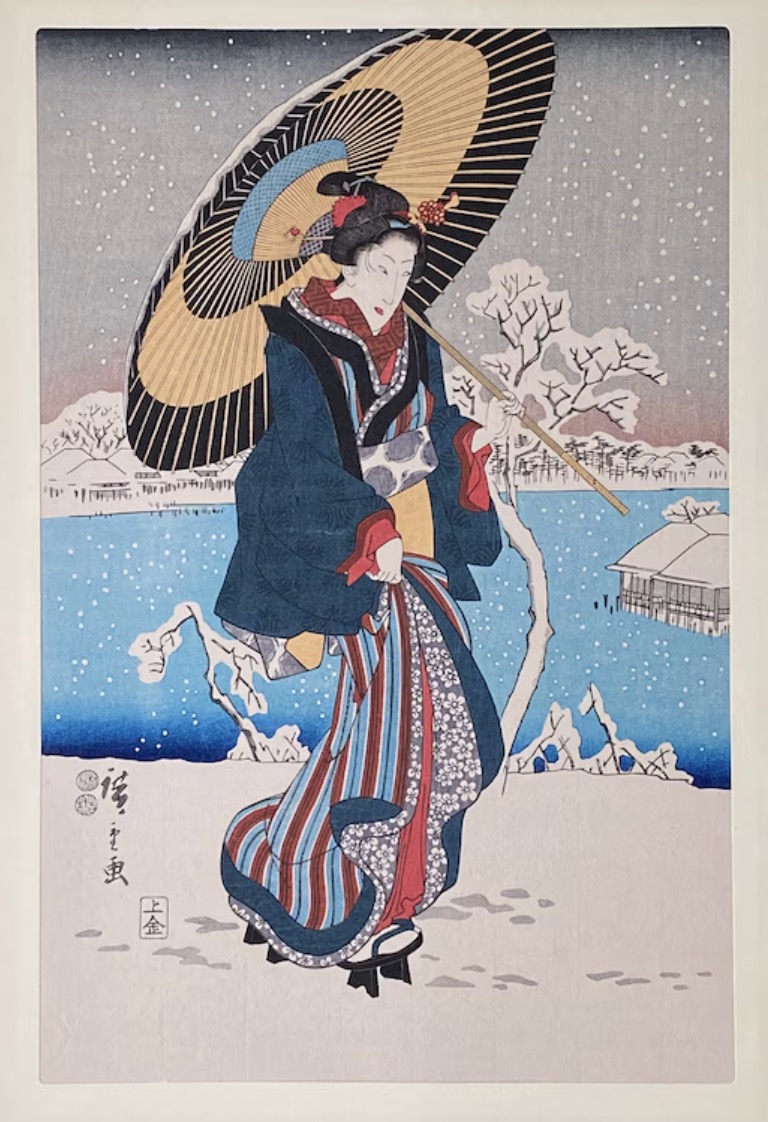
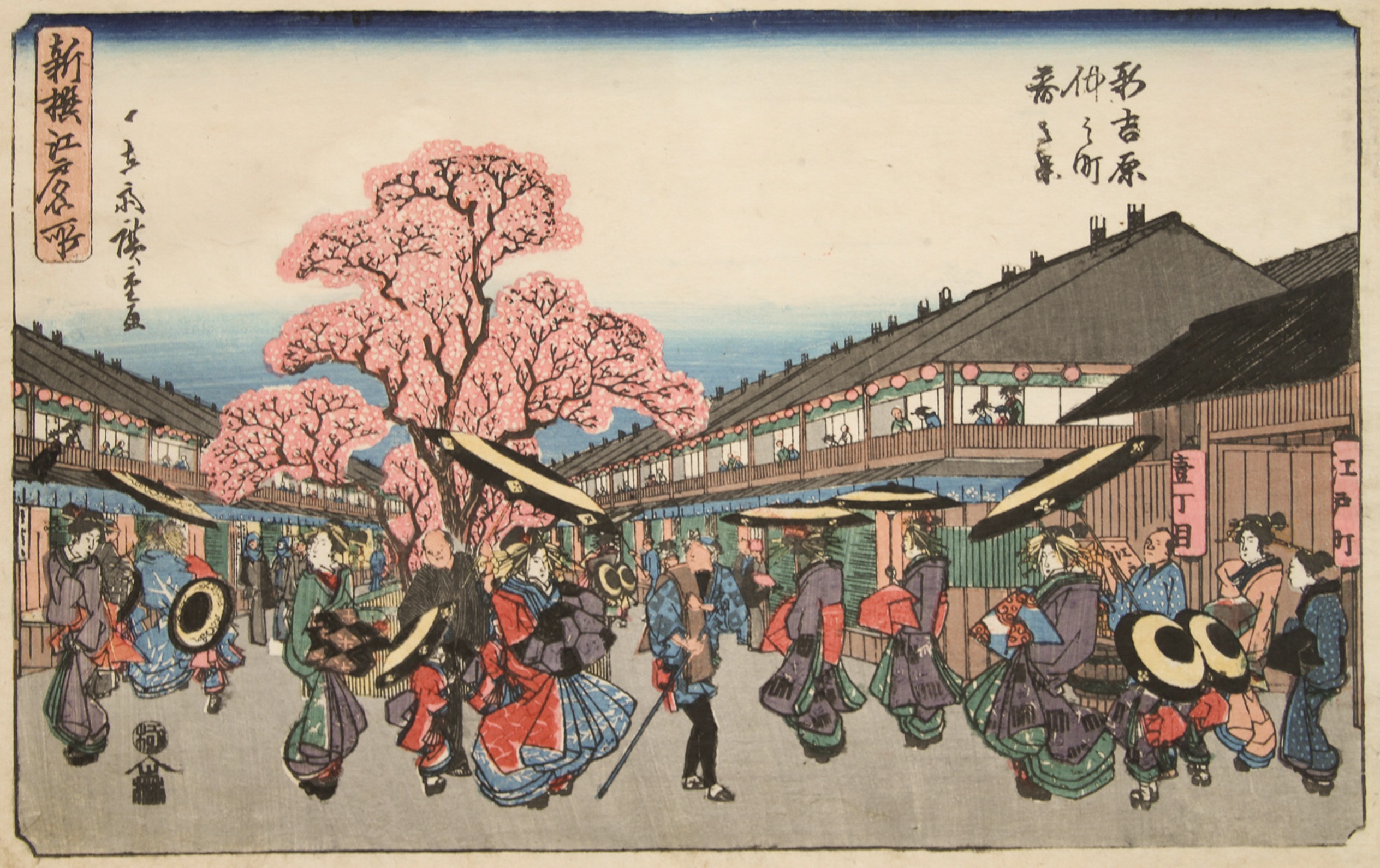
Utagawa Hiroshige (1797–1858) was a Japanese ukiyo-e artist, widely considered one of the last great masters of the tradition. Best known for his evocative landscape woodblock prints, his work not only captured the spirit of 19th-century Japan but also deeply influenced the course of Western art, particularly the Impressionist and Post-Impressionist movements.
Born into a samurai family in Edo, Hiroshige inherited his father’s position as an official fire warden at the age of 12 after both his parents passed away. Despite his official duties, his true passion was art. At 14, he became an apprentice in the studio of Utagawa Toyohiro, a respected ukiyo-e master, and was granted the artist name “Hiroshige” shortly after.
His early career involved traditional ukiyo-e subjects such as kabuki actors, warriors, and beautiful women (bijin-ga). However, following the immense commercial success of Katsushika Hokusai’s landscape prints, Hiroshige shifted his focus. In 1832, he traveled along the Tōkaidō, the bustling coastal route connecting the shogun’s capital of Edo to the imperial capital of Kyoto. This journey inspired his breakthrough series, The Fifty-three Stations of the Tōkaidō (1833–1834), which became a massive success and established him as the premier landscape artist of his era.
Unlike Hokusai’s bold, geometric, and dramatic compositions, Hiroshige’s landscapes were poetic, atmospheric, and deeply human. He possessed an extraordinary ability to capture the changing seasons, fleeting light, and specific weather conditions, earning fame for his sensitive depictions of snow, mist, moonlight, and rain.
In his final years, he produced his most ambitious project, One Hundred Famous Views of Edo (1856–1858). This series featured radical vertical formats, dramatically cropped foreground elements, and vibrant synthetic dyes. These exact compositional techniques captivated European artists in the late 19th century—a phenomenon known as Japonisme. Vincent van Gogh famously made careful oil copies of two prints from this series. Hiroshige continued to work until his death during the great Edo cholera epidemic of 1858.
Active in others filds : Official Fire Warden (early life), Poetry (often integrating comic kyōka or haiku poetry into his print designs).