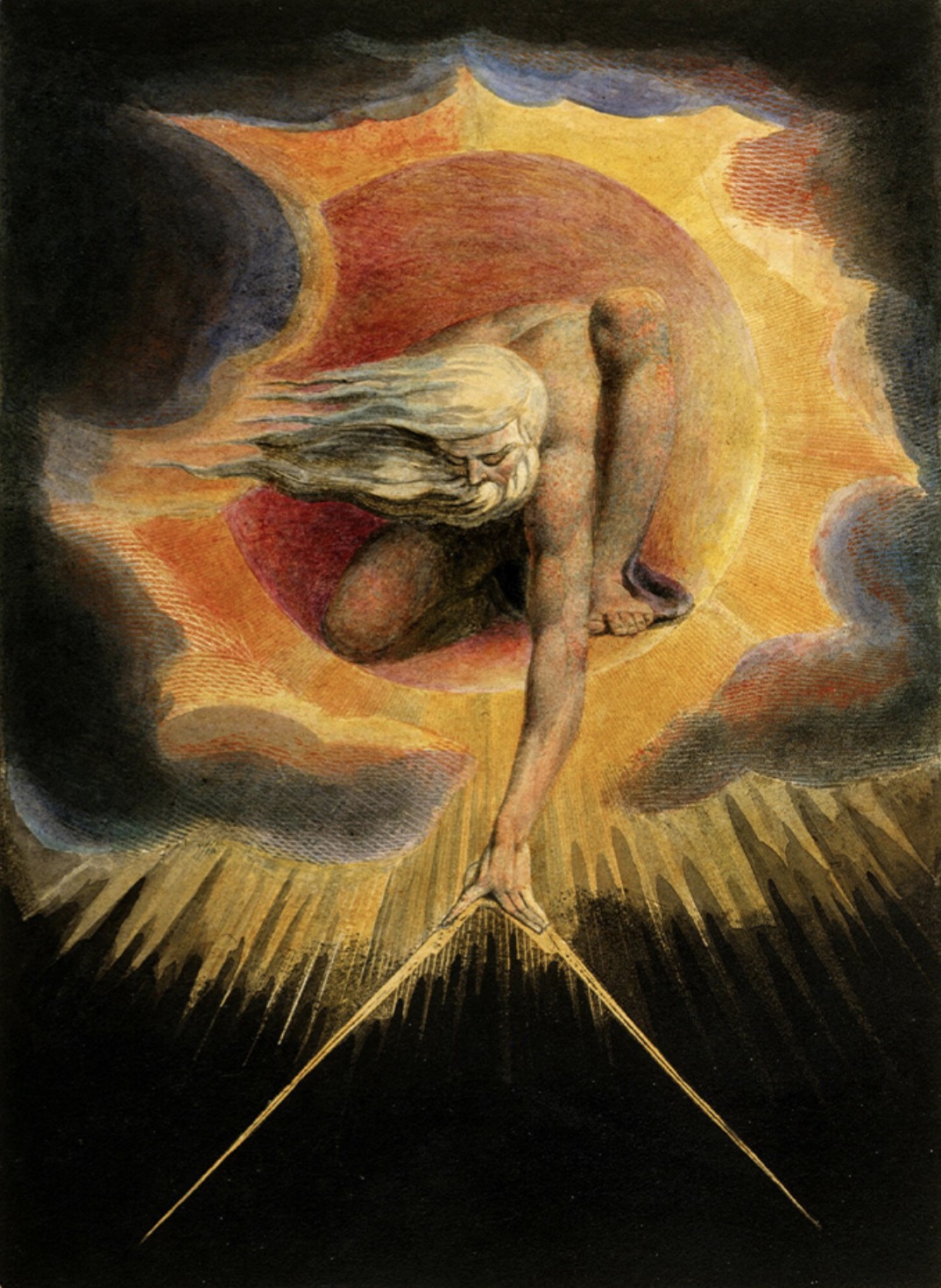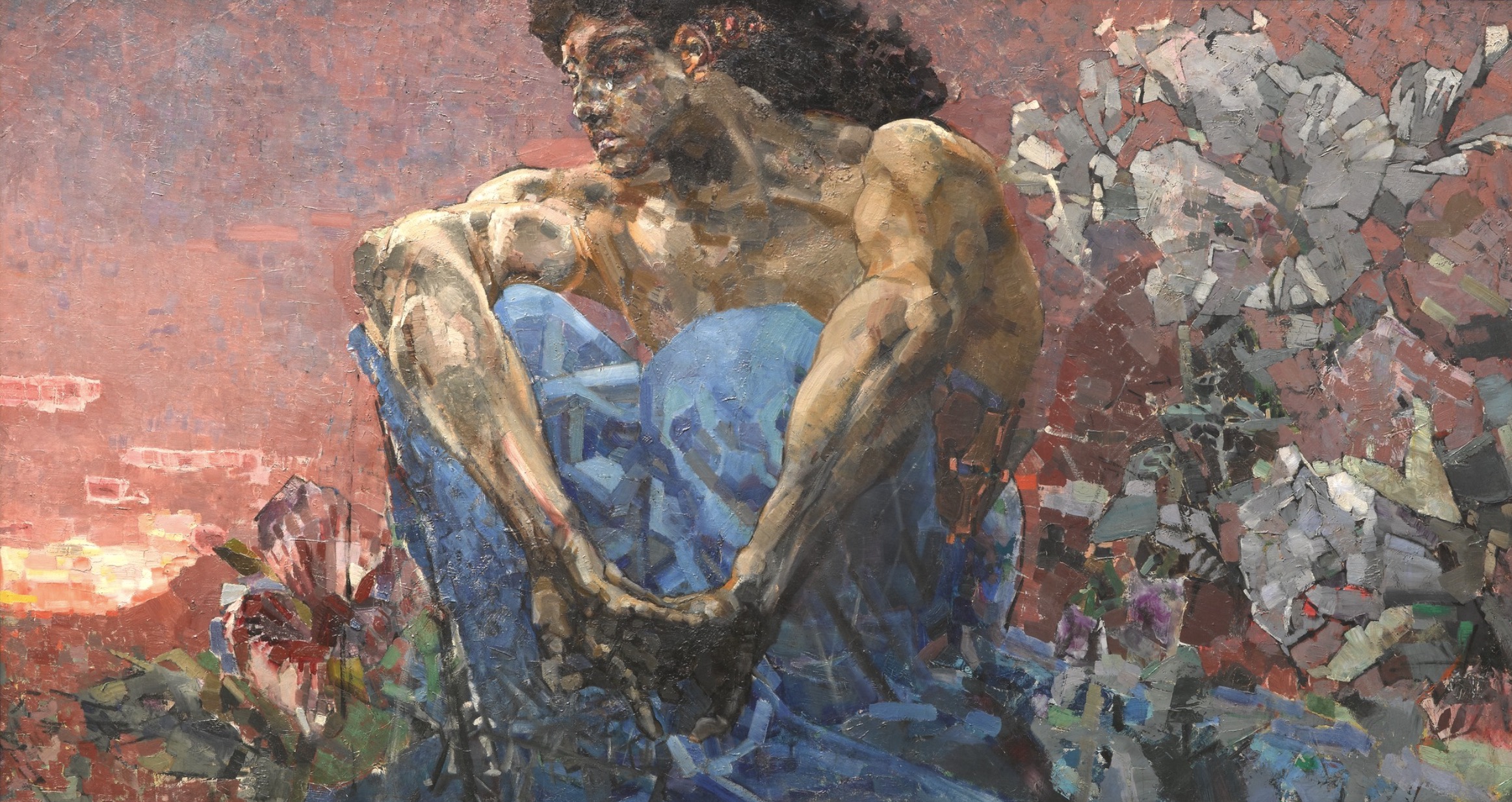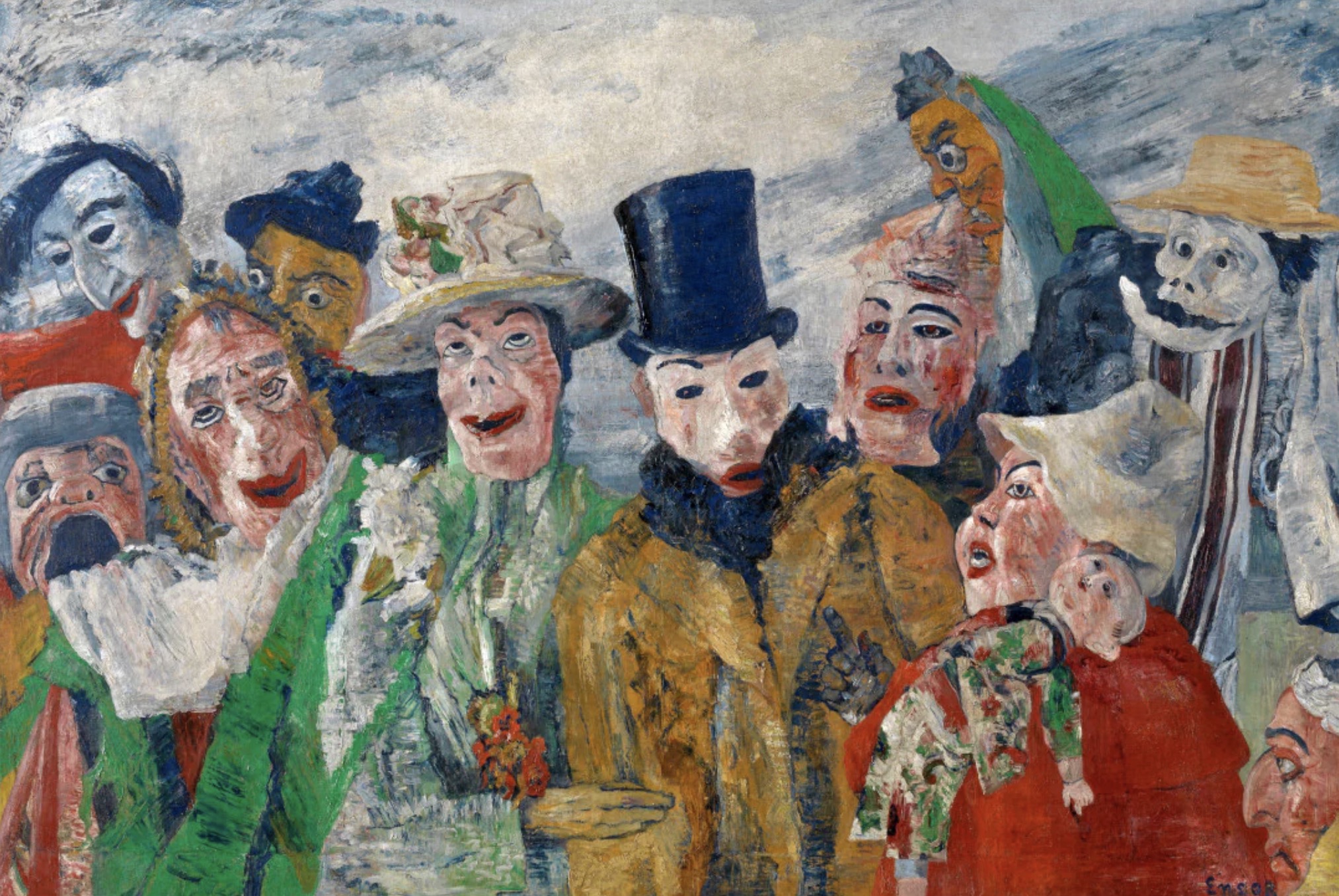
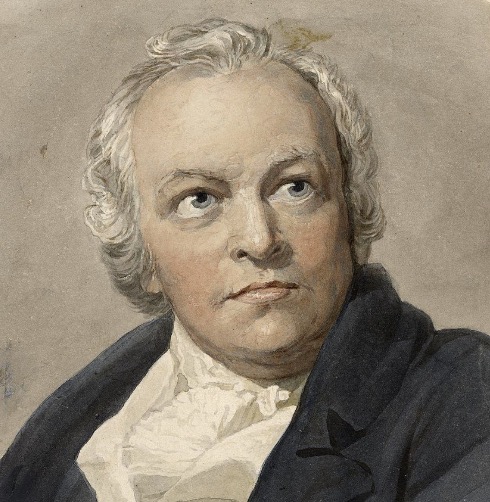



William Blake (Parents: James Blake, a hosier, and Catherine Wright Armitage; Spouse: Catherine Boucher, his lifelong assistant and collaborator) (1757–1827) was a profoundly visionary English poet, painter, and printmaker. Although largely unrecognized during his lifetime and sometimes dismissed as mad by his contemporaries, he is now revered as one of the most original and seminal figures in the history of both the visual arts and literature of the Romantic Age.
Born in London, Blake claimed to experience intense spiritual visions from early childhood, such as seeing angels in trees and encountering prophetic figures. These mystical experiences formed the bedrock of his life’s work. At the age of 14, he was apprenticed to a prominent engraver, mastering the exacting technical skills of copy-engraving. While this trade sustained him financially, he privately pursued his own radical artistic and poetic ambitions.
In 1788, Blake revolutionized publishing by inventing a technique he called “illuminated printing” (a form of relief etching). This process allowed him to write poetry and draw illustrations directly onto a single copper plate using an acid-resistant medium. He used this method to self-publish his iconic illuminated books, including Songs of Innocence and of Experience, The Marriage of Heaven and Hell, and his epic Jerusalem. His devoted wife, Catherine, was instrumental in this process, helping him print, hand-color with watercolors, and bind the volumes.
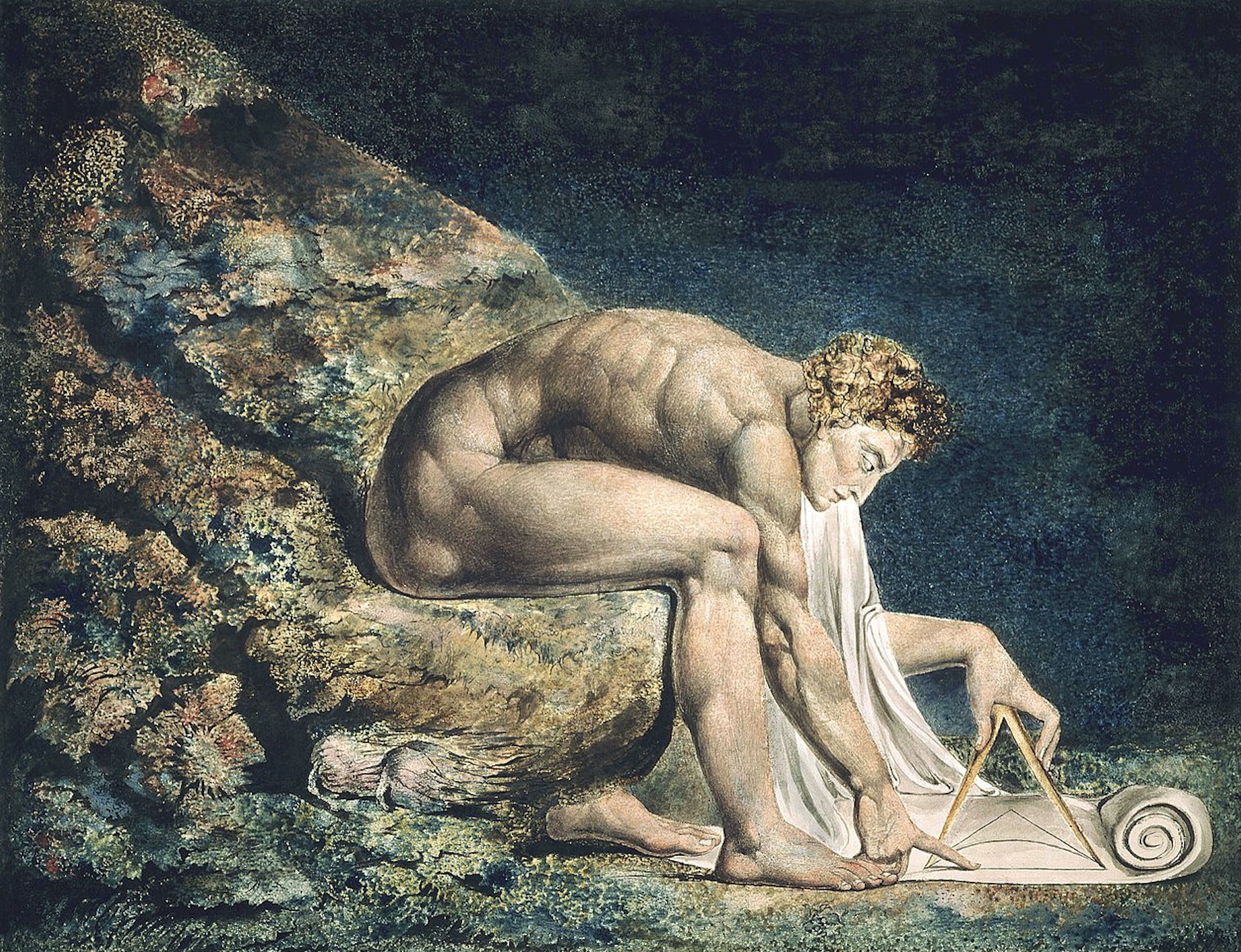
Visually, Blake’s art is defined by its dramatic, swirling compositions, muscular, Michelangelesque figures, and a vivid, ethereal atmosphere. He fiercely rejected the cold rationalism of the Enlightenment, the strict doctrines of orthodox religion, and the grim realities of the Industrial Revolution (which he famously dubbed the “dark Satanic Mills”). Instead, he created a complex, highly personal mythology that championed imagination, human liberty, and the divine energy of the soul.
Today, Blake is celebrated as an uncompromising genius whose integrated approach to text and image was centuries ahead of its time, directly influencing the Pre-Raphaelites, the Symbolists, and modern graphic storytelling.
Active in others filds : Poetry, Literature, Philosophy, Mysticism.