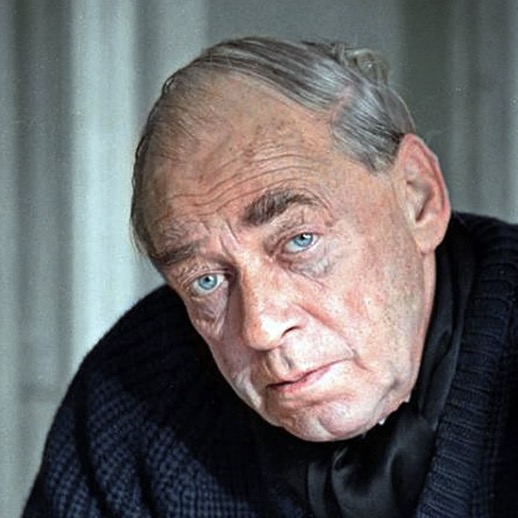

Hugo Alvar Henrik Aalto (Father: Johan Henrik Aalto, a surveyor; Mother: Selly Matilda Hackstedt; Spouses and design partners: Aino Marsio-Aalto, Elissa Mäkiniemi)
Hugo Alvar Henrik Aalto (1898–1976) was a preeminent Finnish architect, designer, and urban planner whose work is considered foundational to Scandinavian Modernism. Unlike the cold, machine-like aesthetics of early European Modernism, Aalto’s approach was deeply humanistic, blending functionalist geometry with organic forms, natural materials, and an acute sensitivity to the psychological needs of the user.
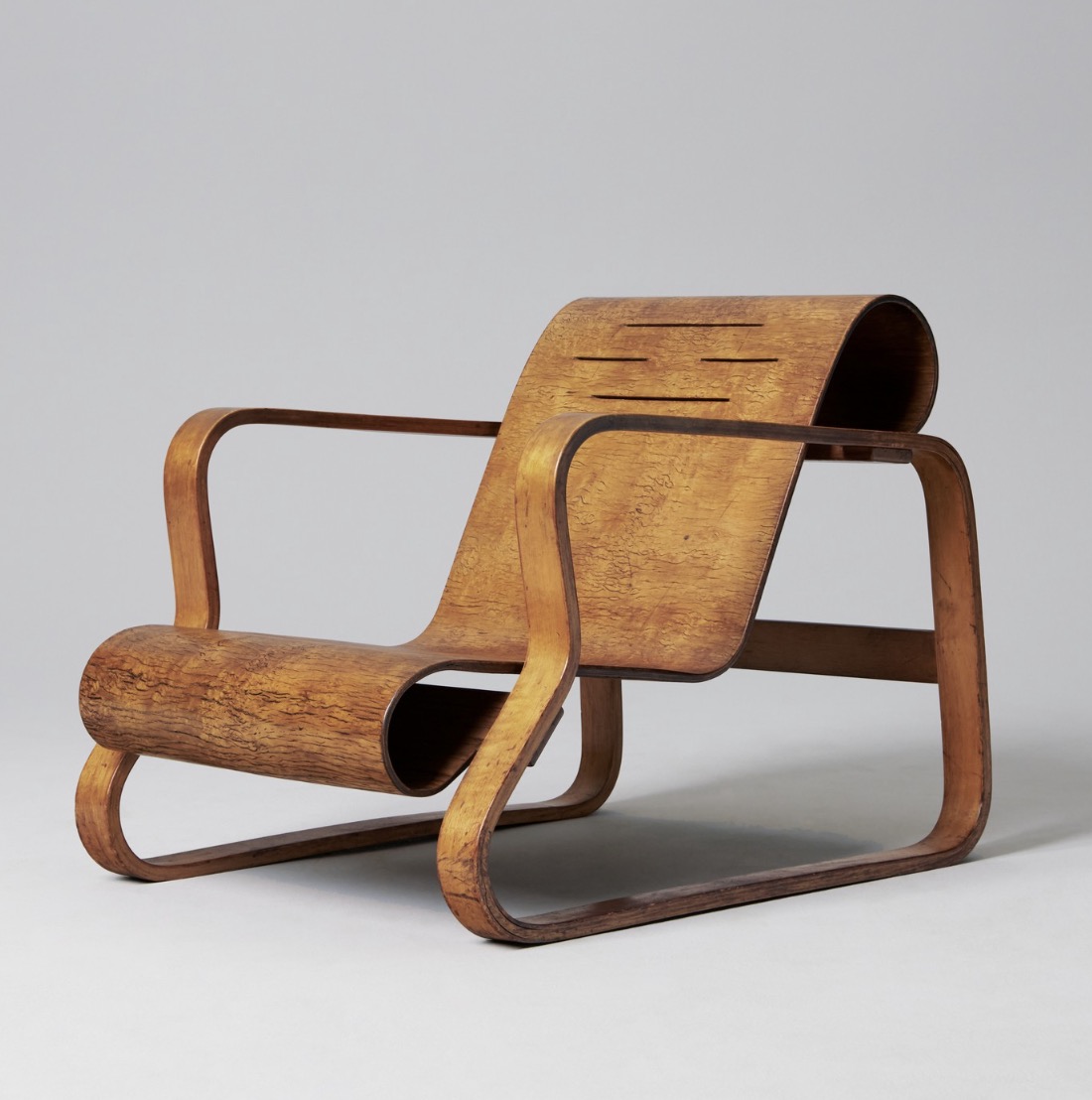
Aalto graduated from the Helsinki University of Technology in 1921. His early career was rooted in “Nordic Classicism,” but by the late 1920s, he had fully embraced the International Style. His breakthrough came with the design of the Paimio Sanatorium (1929–1933). Designed for tuberculosis patients, every detail of the building—from the sunlit terraces to the angle of the heating panels and the specific design of the “Paimio Chair”—was engineered to aid in the healing process.
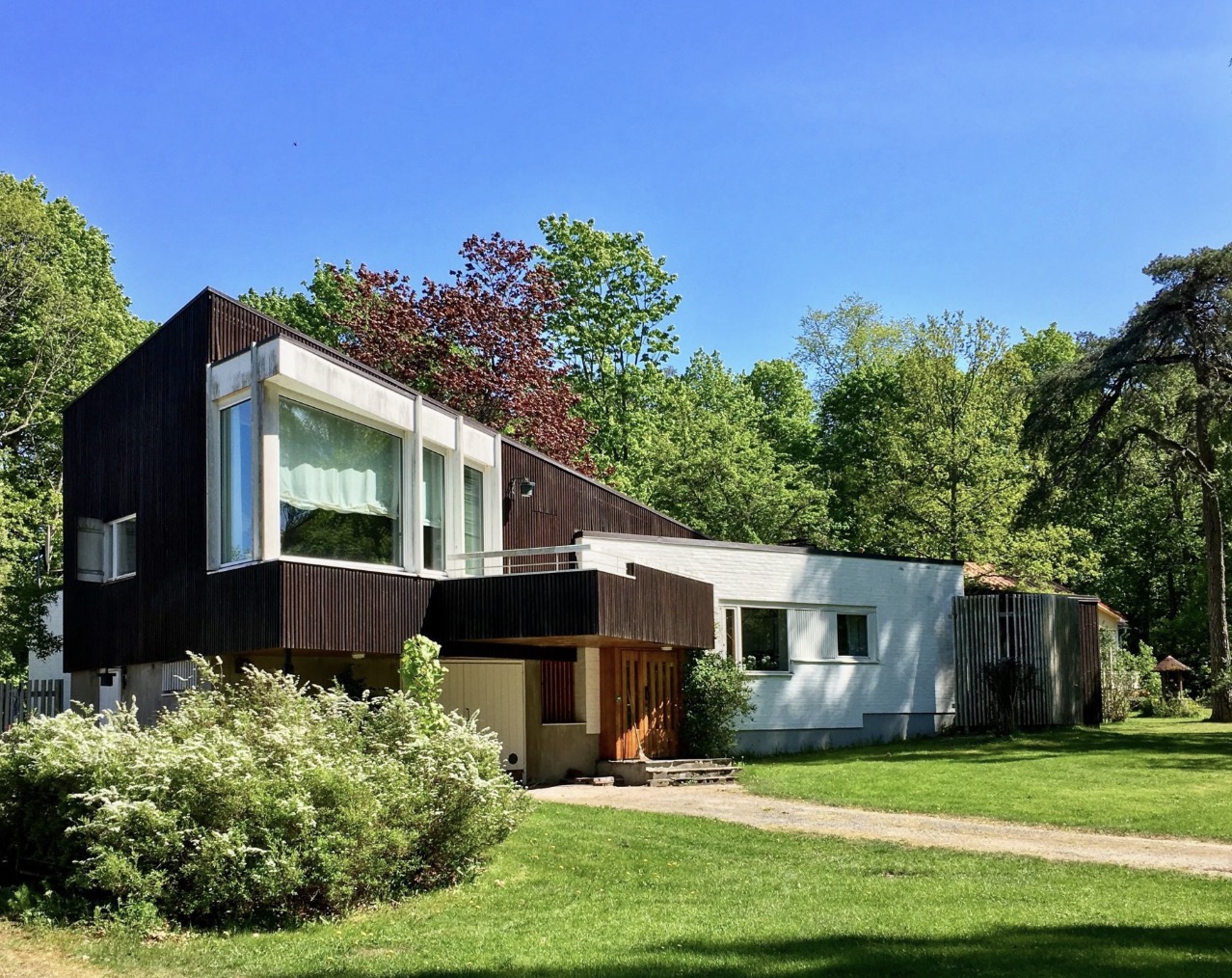
As his career progressed, Aalto moved away from rigid rationalism toward a softer, more tactile “Organic Architecture.” He began incorporating regional materials like timber, red brick, and copper, allowing his buildings to harmonize with the Finnish landscape. Villa Mairea (1939), a private residence built for his friends and patrons Harry and Maire Gullichsen, is widely regarded as his domestic masterpiece, seamlessly blurring the lines between the indoor spaces and the surrounding pine forest. His later civic works, such as the Säynätsalo Town Hall (1951) and Finlandia Hall (1971), further cemented his legacy as a master of form and light.
Beyond architecture, Aalto revolutionized modern industrial design. In 1935, alongside his first wife Aino Aalto, Maire Gullichsen, and Nils-Gustav Hahl, he co-founded the furniture company Artek. He pioneered the technique of bending solid wood and plywood, resulting in iconic pieces like the three-legged Stool 60 (1933). In glassware, his undulating Savoy Vase (1936) remains one of the most recognizable design objects of the 20th century.
Aalto’s legacy lies in his holistic vision: he viewed buildings not merely as structures, but as total works of art (Gesamtkunstwerk), where the architecture, interior surfaces, furniture, and even the lighting fixtures were designed to function in perfect unison.
Active in others filds : Furniture Design, Glassware and Textile Design, Urban and Regional Planning, Painting.