A comprehensive guide to the visual principles, history, and pioneers of this movement. Curated for researchers and students seeking a structured analysis of artistic styles.
Art Style Directory
Gothic
Full General Specifications
Gothic art was a medieval movement that revolutionized European aesthetics, transitioning from the heavy, dark, and earthbound Romanesque style to a form defined by height, light, and verticality. While often associated with “darkness” in modern pop culture, the original Gothic movement was obsessed with the divine quality of light (Lux Nova).
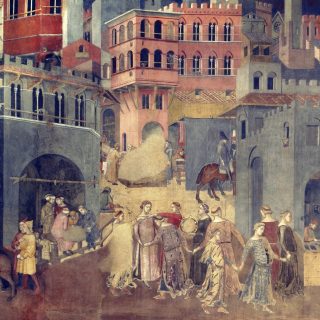
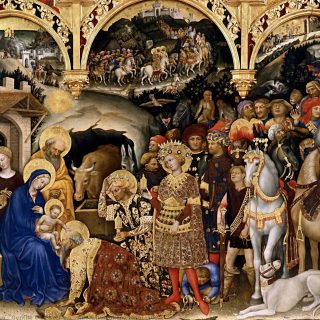
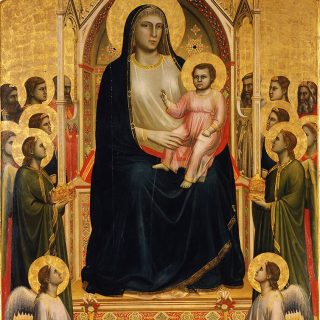
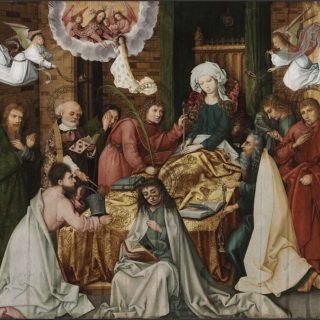
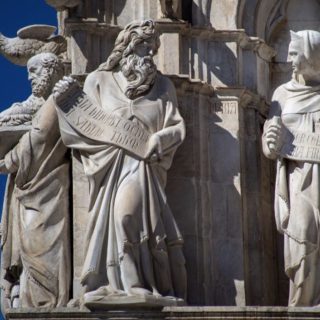
In architecture, the style solved the “weight problem” of stone buildings. By using pointed arches and ribbed vaults, builders could channel weight downward rather than outward, allowing walls to be thinner and replaced with massive stained-glass windows. In visual arts, Gothic style marked a move toward greater realism; figures became less stiff and more emotional compared to Byzantine or Romanesque predecessors, showing naturalistic drapery and human expressions.
Era/Period: Mid-12th Century to the 16th Century (Late Middle Ages).
Origin Location: Île-de-France (Paris and surrounding areas)
Visual & Technical Specs
Key Visual Characteristics: Verticality (striving toward heaven), pointed arches, flying buttresses (external skeletons), ornate tracery, gargoyles/grotesques, and rose windows.
Color Palette: Dominated by the “Jewel Tones” found in stained glass: Deep Cobalt Blue, Crimson Red, Emerald Green, and Gold Leaf used in religious manuscripts.
Mediums & Tools: Cut stone (limestone), stained glass (pot metal glass), tempera on wood panels, and vellum for illuminated manuscripts.
Pioneers & Key Works
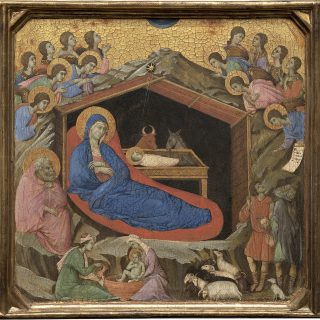
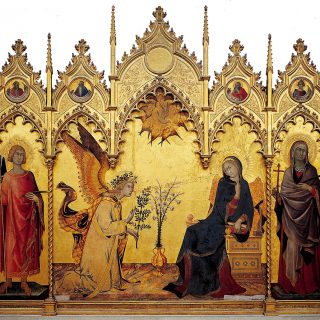
Founders/Key Artists: Abbot Suger (the “father” of Gothic at St. Denis), Giotto (Late Gothic painting), Simone Martini.
Masterpieces:
Basilica of Saint-Denis (The first Gothic structure).
Notre-Dame de Paris (Iconic French Gothic).
Chartres Cathedral (Famous for its preserved stained glass).
The Wilton Diptych (Exquisite International Gothic painting).
Influential Schools/Groups: International Gothic Style, The Cistercians.
The “Why”: The goal was to create a “Heaven on Earth.” The architecture was designed to make the viewer feel small in the presence of God, while the flood of colored light through windows symbolized the Holy Spirit entering the soul.
Historical Context: This was an era of urban growth and the rise of universities. The “Cathedral Crusade” saw cities competing to build the tallest, most light-filled structures as a sign of both piety and civic pride.
Modern Influence: Cinema, TV & CGI
2D, 3D, CGI, VFX: The “Gothic” aesthetic is the DNA of the Gothic Horror and Dark Fantasy genres. In CGI, the intricate geometry of Gothic cathedrals is often used as a benchmark for procedural modeling.
Modern Legacy: It evolved into “Neo-Gothic” (The British Houses of Parliament) and later influenced the visual style of Batman’s Gotham City, Dark Souls, and the Harry Potter film series.
Modern Influence: AI & Hybrid Media
Modern Legacy: Because Gothic art is mathematically complex (sacred geometry), AI tools are exceptionally adept at generating “Fractal Gothic” structures that blend traditional arches with surreal, organic patterns.
AI Prompting Keywords:Gothic architecture, pointed arches, cathedral lighting, cinematic shadows, intricate stone carvings, flying buttresses, stained glass, moody atmosphere, dark academia, macabre details, rib vaulting, high verticality.