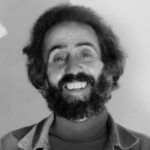
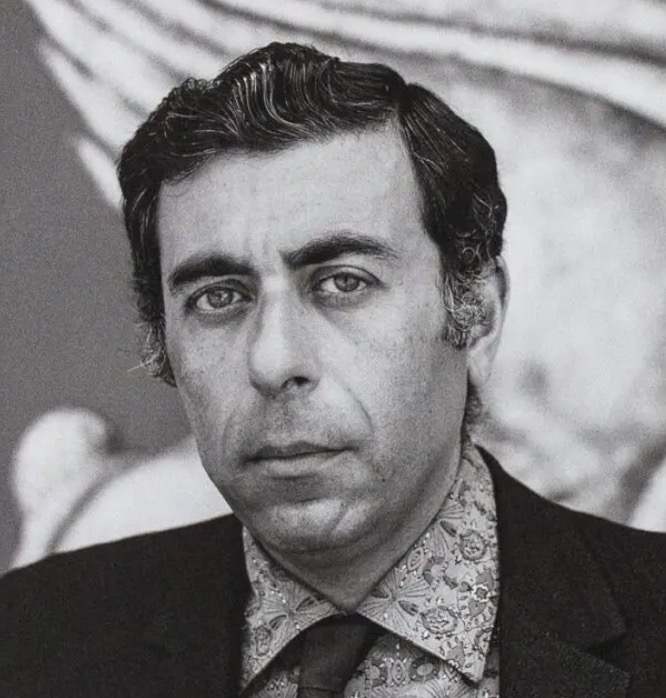


Bahman Mohasses (Cousin to the celebrated illustrator Ardeshir Mohasses)
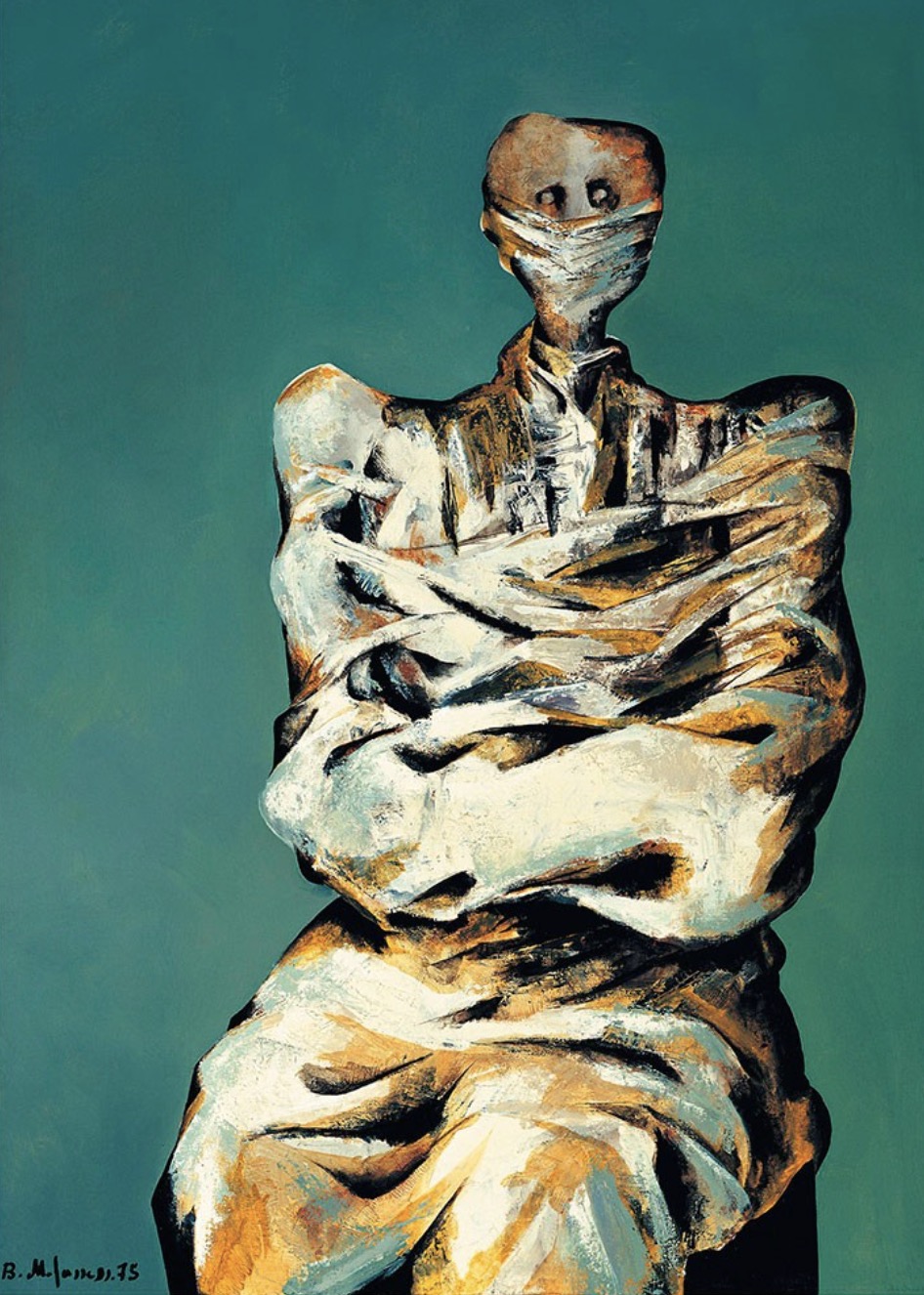
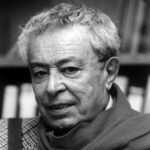
Bahman Mohasses (1931–2010) was a pioneering and provocative figure in Iranian modern art, often referred to by critics as the “Persian Picasso.” His multifaceted career spanned painting, sculpture, translation, and theatre direction, making him one of the most significant avant-garde artists of pre-revolutionary Iran.
Born in the Caspian city of Rasht, Mohasses briefly studied at the Faculty of Fine Arts in Tehran before moving to Europe in 1954 to study at the Accademia di Belle Arti in Rome. There, he absorbed the influences of European modernist movements, which he blended with his own dark, existential worldview and classical mythologies.
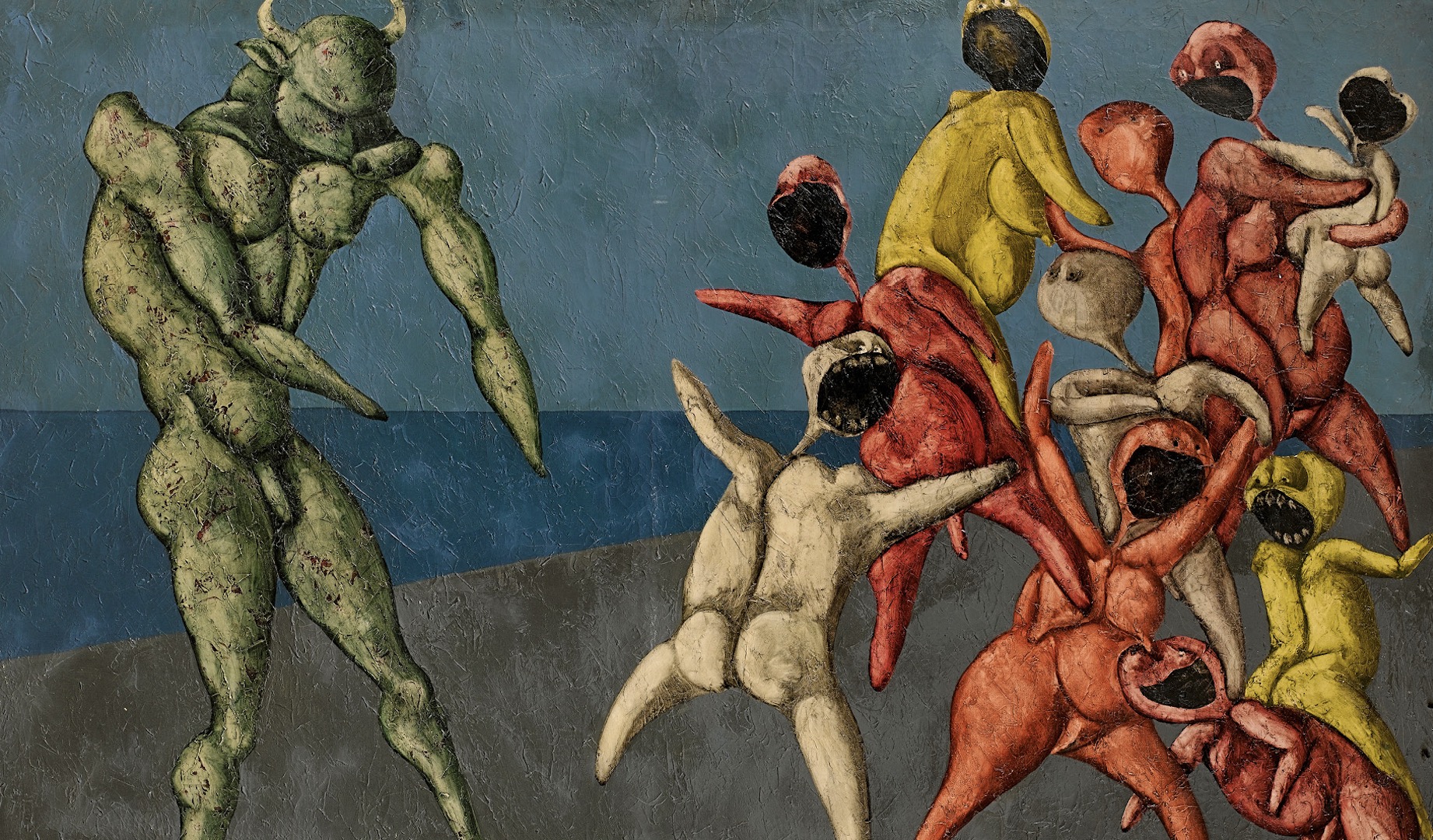
His visual language is instantly recognizable: heavily textured, distorted figures—often Minotaurs, anthropomorphic birds, and faceless, muscular forms. These figures convey a profound sense of isolation, despair, and defiance, standing in stark contrast to the nostalgic or traditional art prevailing in Iran at the time. His masterpiece, Fifi Howls from Happiness, is emblematic of this raw, visceral style.
Beyond the canvas and bronze, Mohasses was deeply influential in the performing arts. He was a prolific translator, introducing the works of avant-garde playwrights like Eugène Ionesco, Luigi Pirandello, and Jean Genet to Iranian audiences, and he directed several controversial, boundary-pushing theatrical productions in Tehran.
Following the 1979 Iranian Revolution, Mohasses relocated permanently to Rome. Deeply disillusioned and famously uncompromising, he notoriously destroyed a massive portion of his own life’s work, making his surviving pieces incredibly rare and highly sought after today. In 2013, his life and legacy were brought back into the global spotlight by Mitra Farahani’s acclaimed documentary, Fifi Howls from Happiness, which captured the final months of his life.
Active in others filds : Theatre Direction, Translation (Italian/French to Persian), Set Design, Sculpture.