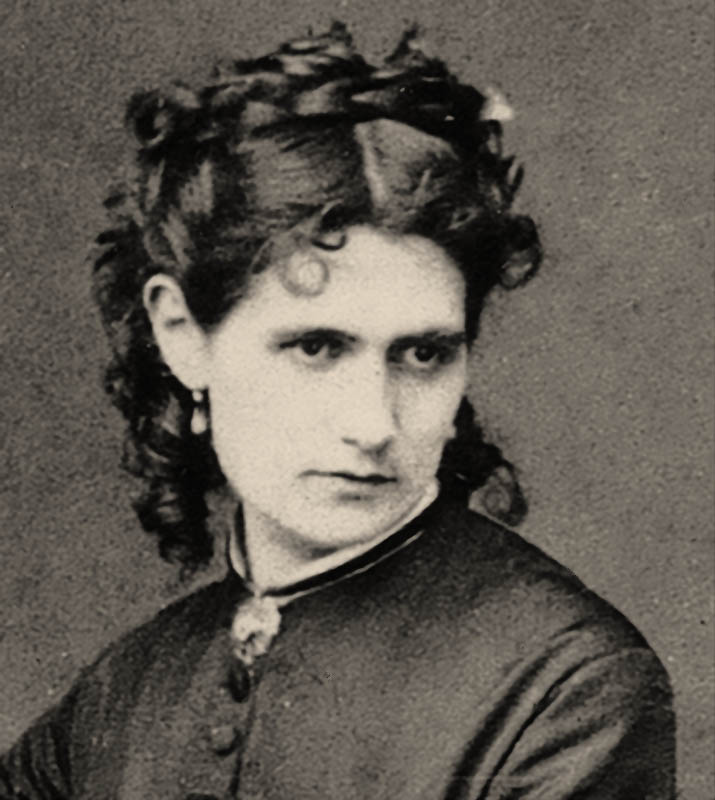




Berthe Marie Pauline Morisot (Parents: Edmé Tiburce Morisot and Marie-Joséphine-Cornélie Thomas; Sister and fellow artist: Edma Morisot; Spouse: Eugène Manet; Child: Julie Manet)
Berthe Morisot (1841–1895) was a foundational figure of the Impressionist movement and one of its most innovative and dedicated members. The esteemed art critic Gustave Geffroy described her in 1894 as one of the “les trois grandes dames” (the three great ladies) of Impressionism, alongside Marie Bracquemond and Mary Cassatt.
Born into an affluent bourgeois family, Morisot and her sister Edma received private art lessons, a standard practice for women of their class since they were barred from joining official art academies. She studied under prominent artists, including the Barbizon landscape painter Jean-Baptiste-Camille Corot, who deeply influenced her early en plein air (outdoor) painting techniques.
In 1864, Morisot exhibited for the first time at the highly esteemed Salon de Paris. She continued to show her work there for a decade. However, her artistic trajectory shifted dramatically after meeting Édouard Manet in 1868. The two developed a close, mutually influential relationship; she introduced him to en plein air painting and the lighter Impressionist palette, while he painted her portrait numerous times. She eventually married Manet’s brother, Eugène, in 1874.
That same year, Morisot made the radical decision to abandon the official Salon and join the “Anonymous Society of Painters, Sculptors, and Engravers.” She was the only female artist to exhibit in their inaugural exhibition, which came to be known as the first Impressionist exhibition. Over the course of the movement, she exhibited in seven of the eight Impressionist shows, a record of dedication surpassed only by Camille Pissarro.
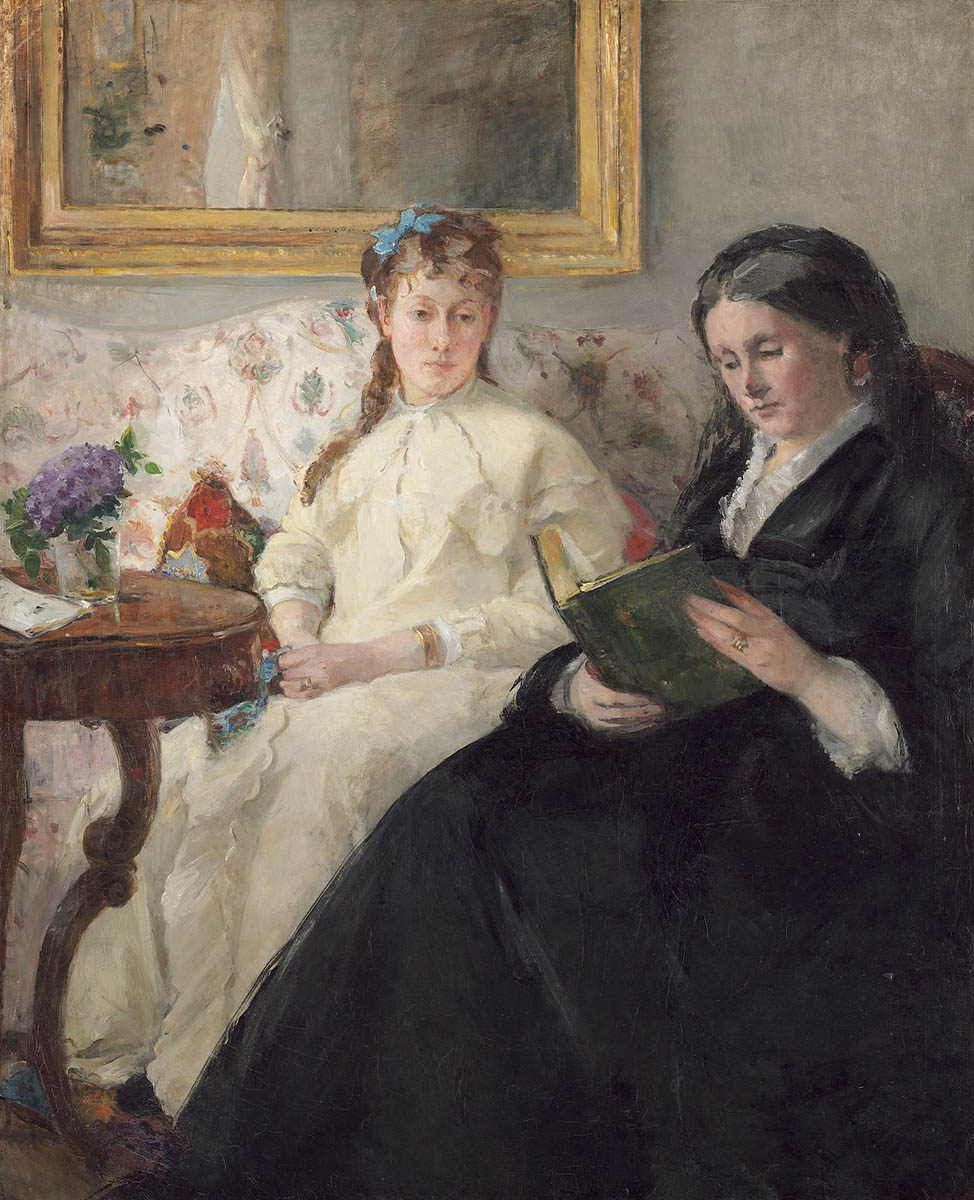
Due to the societal restrictions placed on women in 19th-century Paris, Morisot was largely excluded from the bustling cafes, bars, and urban scenes painted by her male colleagues. Instead, she turned her keen, analytical eye to the domestic sphere. Her work frequently featured women in their private lives, children (often her daughter, Julie), domestic servants, and serene landscapes. Her painting The Cradle (1872) is a quintessential example of her intimate subject matter and delicate handling of light.
Technically, Morisot was known for her rapid, feathery, and almost translucent brushstrokes. As her career progressed, her style became increasingly abstract and energetic, prioritizing atmosphere, light, and the emotional resonance of a fleeting moment over strict anatomical accuracy.
Active in others filds : Watercolor, Pastel, Printmaking (specifically Drypoint).