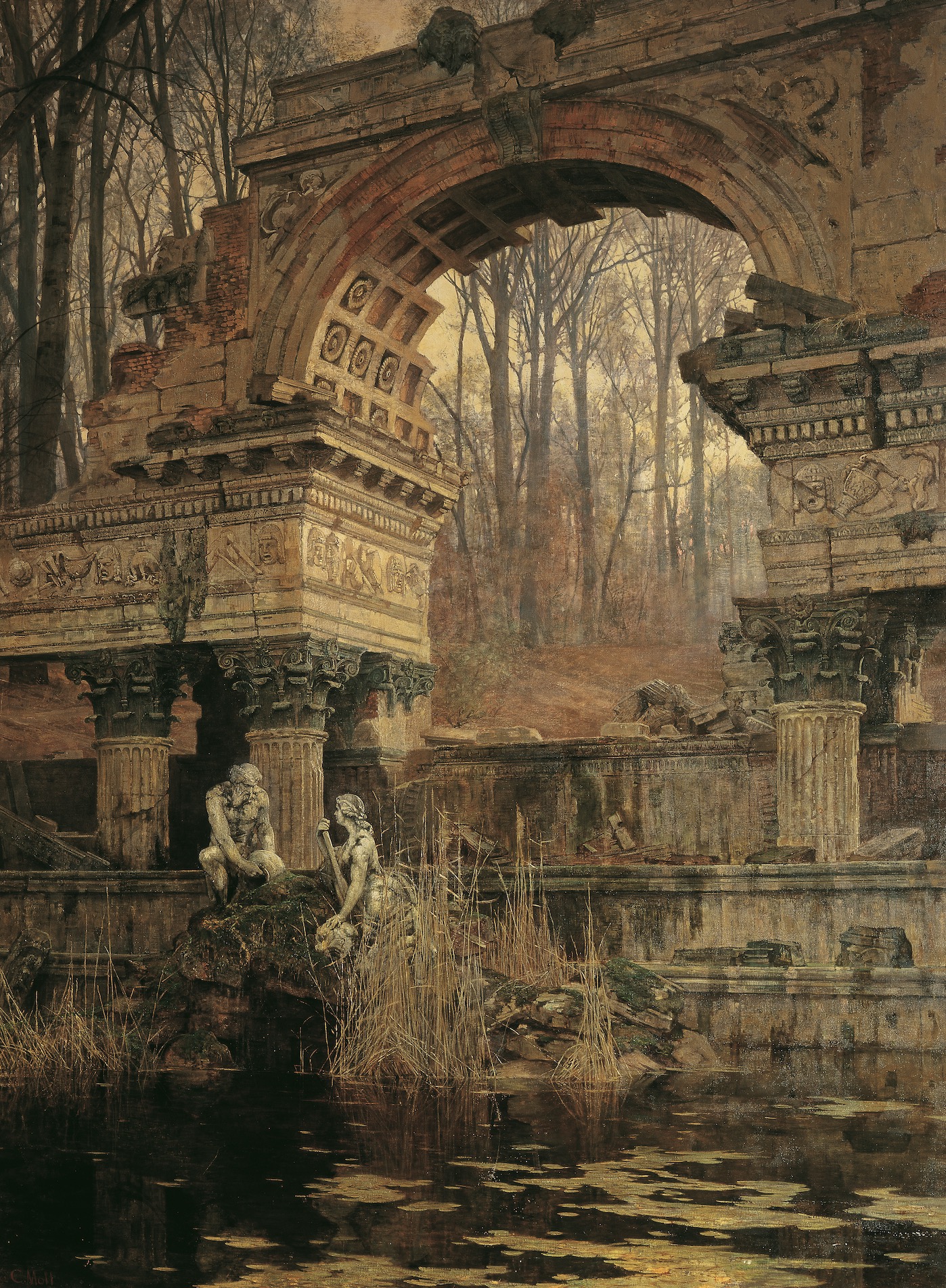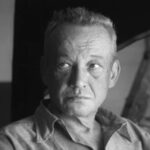
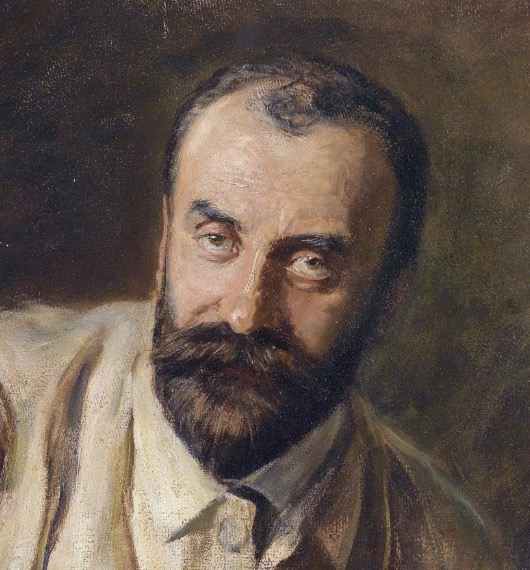
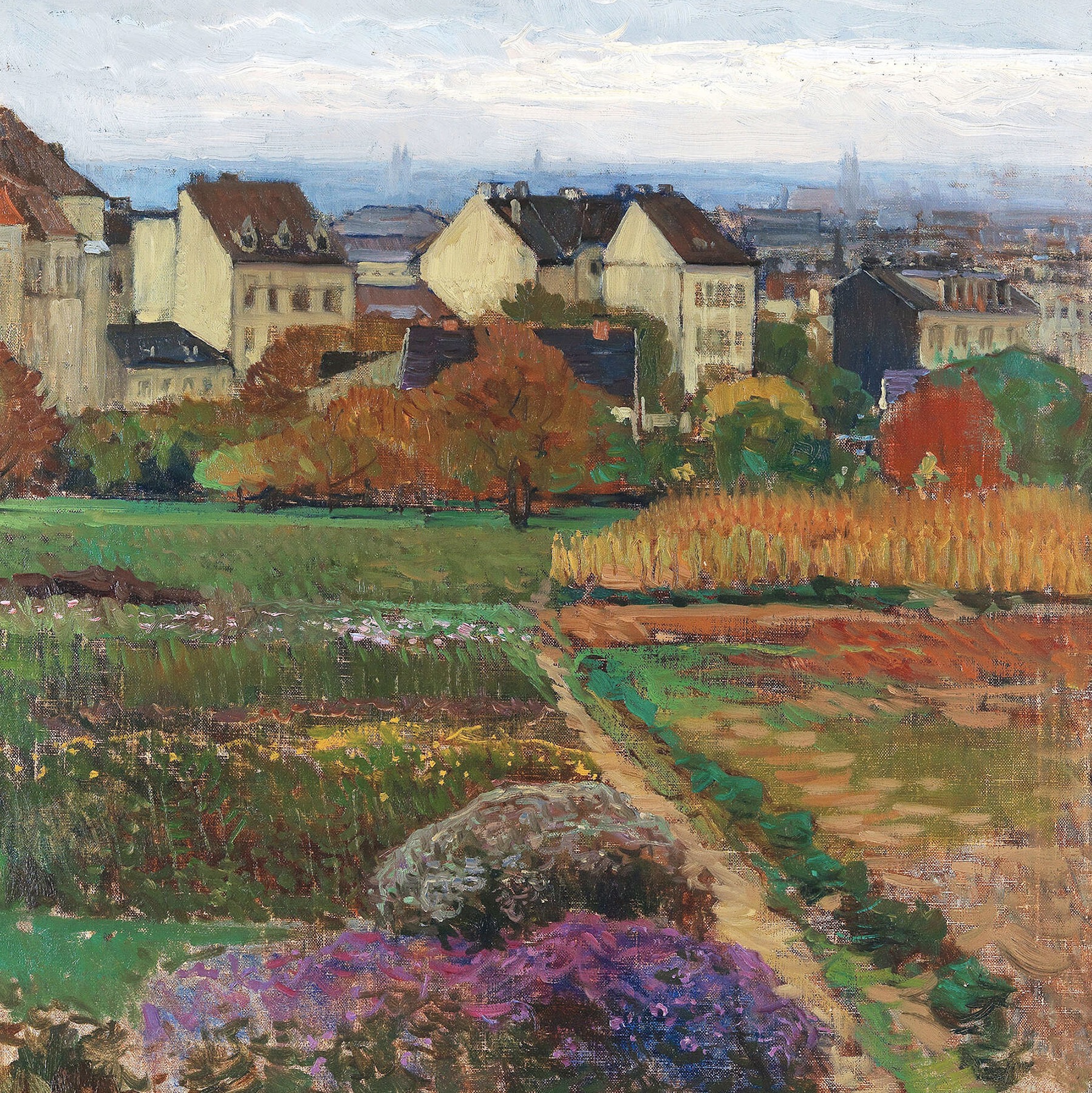

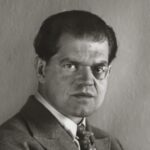


Carl Julius Rudolf Moll (Spouse: Anna von Bergen/Schindler; Stepdaughter: Alma Mahler, the famous composer and socialite; Daughter: Maria Moll) (1861–1945) was a prominent Austrian painter and a highly influential figure in the Viennese art world at the turn of the 20th century. He was a master of capturing light and atmosphere, known primarily for his large-scale landscapes, luminous interiors, and still lifes.
Moll began his formal education at the Academy of Fine Arts Vienna but found his true mentor in the landscape painter Emil Jakob Schindler. Moll became Schindler’s student and assistant, adopting his atmospheric, almost musical approach to landscape painting known as “Austrian mood impressionism.” After Schindler’s death in 1892, Moll married his widow, Anna, becoming the stepfather to Alma Mahler.
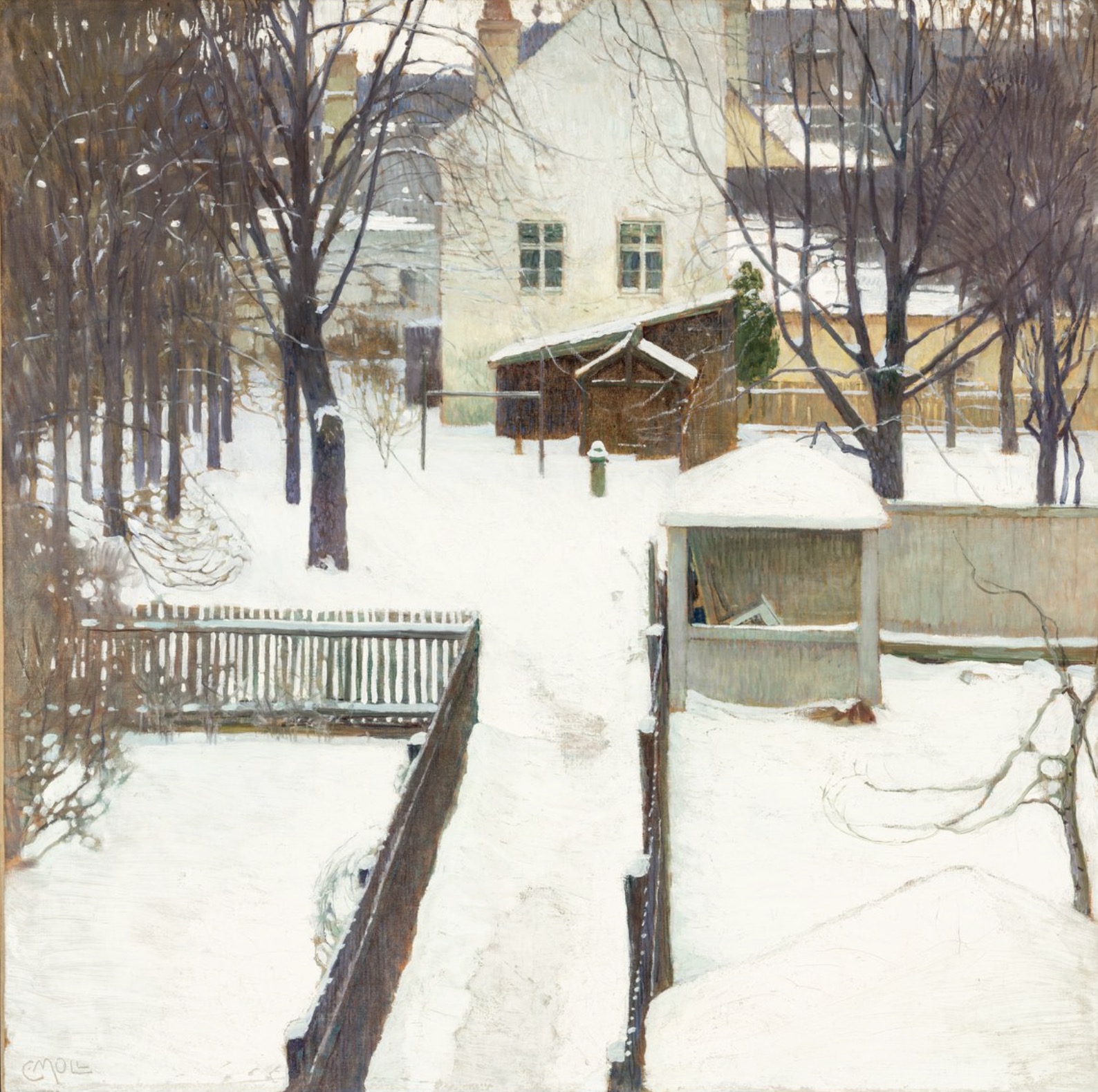
In 1897, Moll became one of the founding members of the Vienna Secession, alongside Gustav Klimt, Josef Hoffmann, and Koloman Moser. The Secession sought to break away from the conservative Academy and bring modern international art to Vienna. Moll was instrumental in this effort, organizing exhibitions that introduced the Viennese public to the works of Impressionist and Post-Impressionist masters, including Vincent van Gogh and Paul Gauguin. His own painting style during this period evolved to incorporate the vibrant colors of Impressionism and the distinct, patterned brushstrokes of Pointillism, often applied to sweeping views of the Hohe Warte (a villa colony in Vienna where he lived) and detailed domestic interiors.
In 1905, Moll, along with the “Klimt Group,” left the Secession due to internal disputes. He subsequently took on the role of artistic director at the Galerie Miethke, a leading commercial art gallery, where he continued to champion modern art and support his contemporaries.
Despite his massive contributions to Austrian modernism, Moll’s legacy is deeply shadowed by his later political affiliations. In his final years, he became a vocal supporter of National Socialism. As Soviet troops entered Vienna at the end of World War II in April 1945, Moll, along with his daughter Maria and his son-in-law, committed suicide in his villa.
Active in others filds : Art Dealer, Gallery Director (Galerie Miethke), Exhibition Curator, Patron of the Arts.