
The Couple in Lace

Date: 1925; Paris, France
Style: Surrealism
Period: First French period
Genre: symbolic painting
Media: oil, canvas
Location: Museum Boijmans van Beuningen, Rotterdam, Netherlands

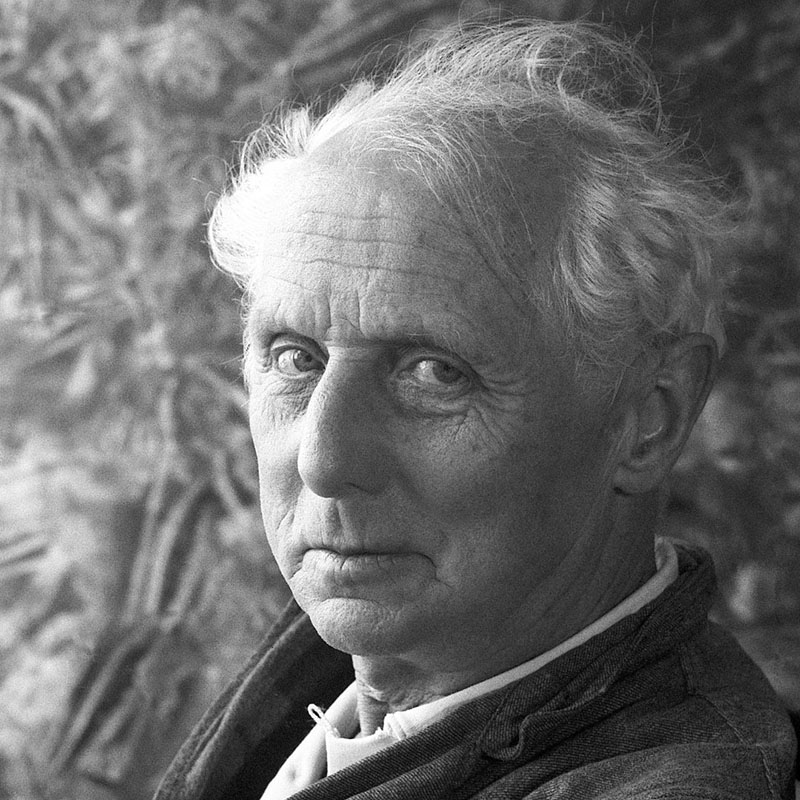
Name : Max Ernst

Born : 1891

Died : 1976

Art Style & Movement : Surrealism , Dads , Sculpting

Main Field/s :

SUB CATEGORIES
×

Keep Reading About

Max Ernst

Max Ernst (2 April 1891 – 1 April 1976) was a German (naturalised American in 1948 and French in 1958) painter, sculptor, graphic artist, and poet.[1] A prolific artist, Ernst was a primary pioneer of the Dada movement and surrealism.[1] He had no formal artistic training, but his experimental attitude toward the making of art resulted in his invention of frottage—a technique that uses pencil rubbings of objects as a source of images—and grattage, an analogous technique in which paint is scraped across canvas to reveal the imprints of the objects placed beneath. He is also noted for his novels consisting of collages.
Artist ID : 22993

Last Update : December 17, 2021

The Realm of Analog Artistry

This curated space is dedicated to the timeless works of global master artists, created through traditional mediums and manual precision. From fine oil paintings to architectural drafting, every piece represents the authentic tactile heritage of visual arts .

Max Ernst

Art by : Max Ernst

Surrealism

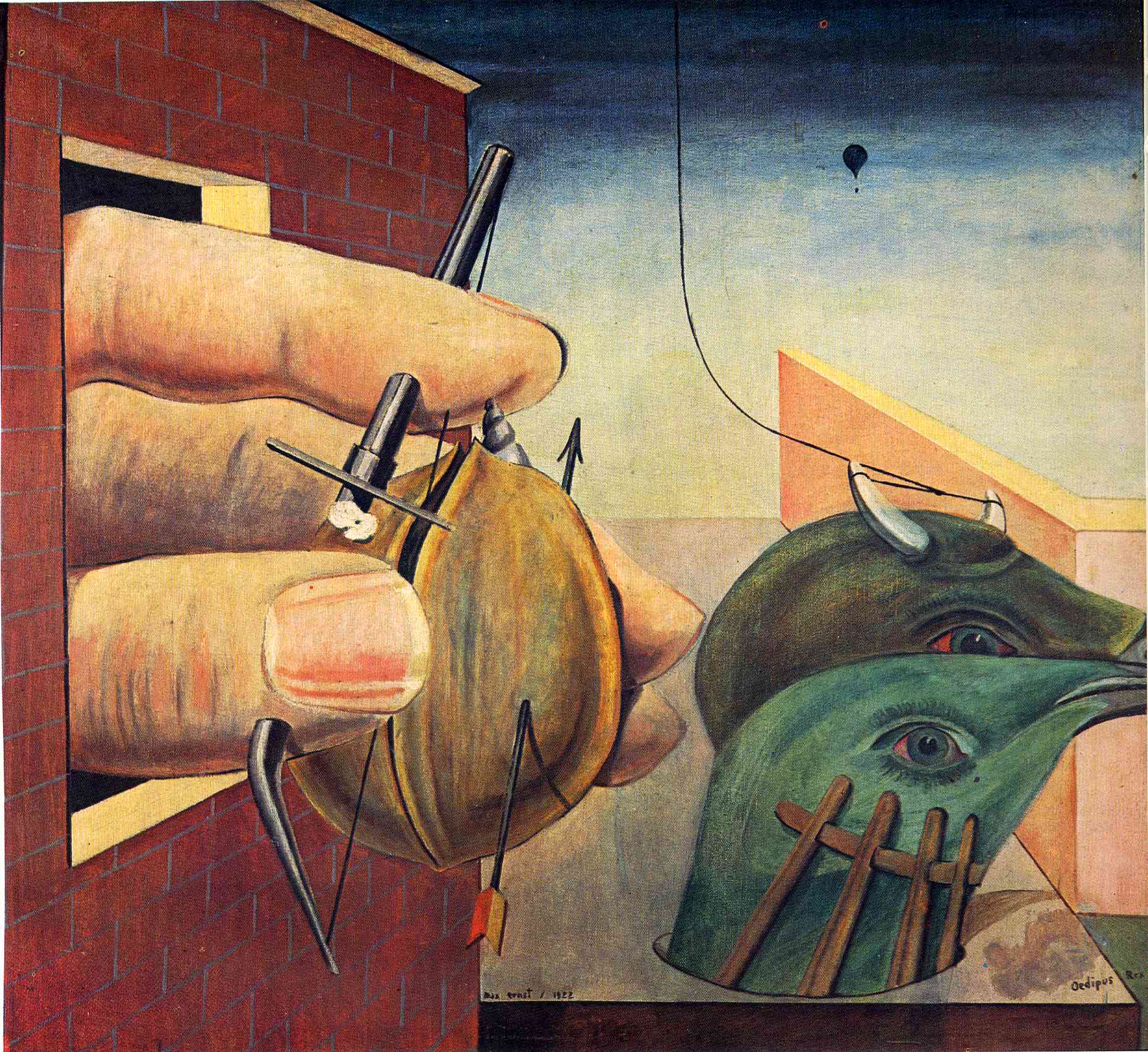
Surrealism is one of the most influential avant-garde movements of the 20th century, seeking to bridge the gap between dreams and reality. It emerged as a reaction to the “rationalism” that many artists believed had led to the horrors of World War I. Surrealism isn’t just a visual style; it is a means of exploring the unconscious mind.

Researchers and students should identify the two main stylistic branches:

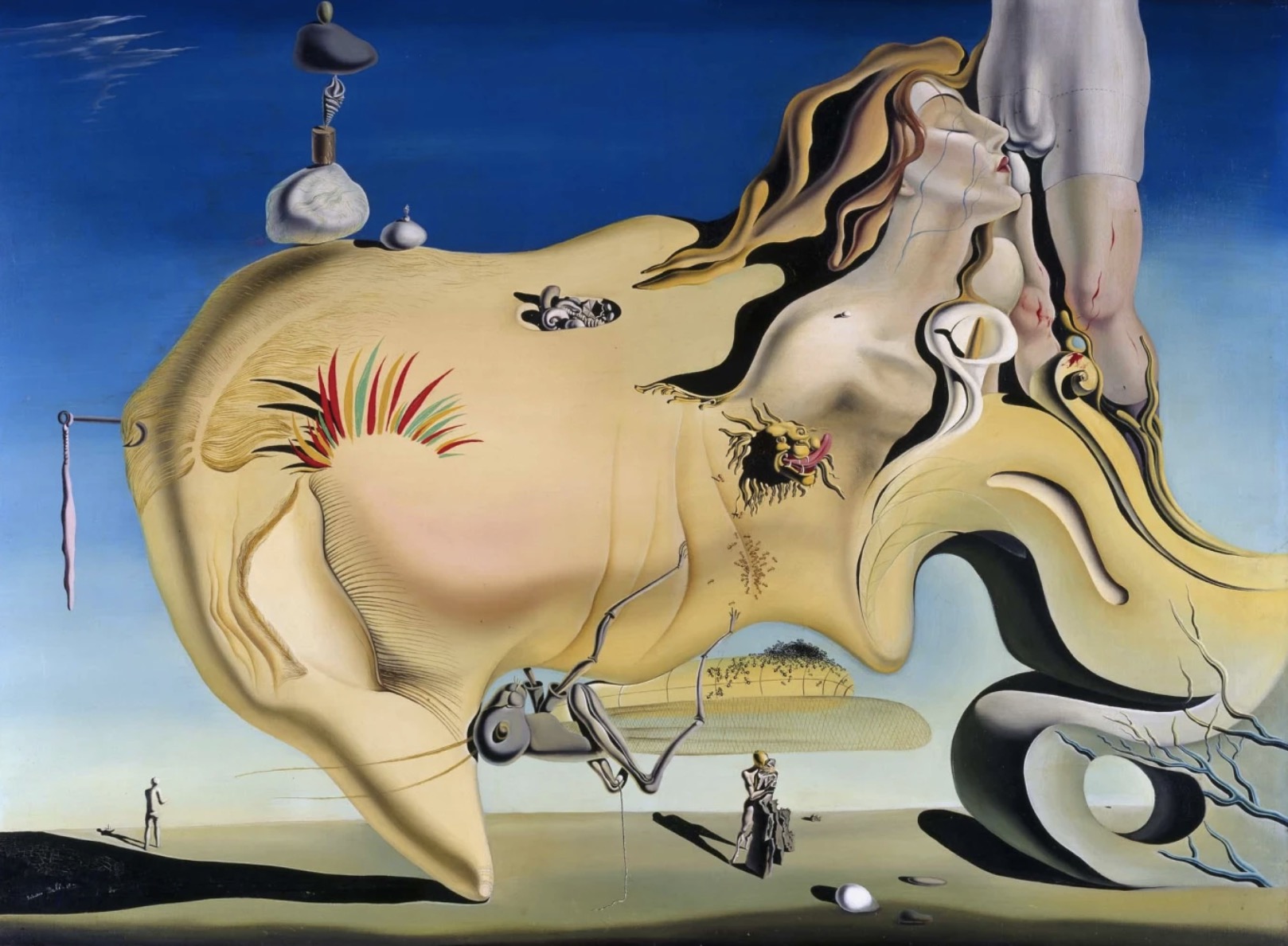
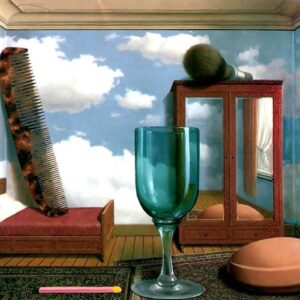
  • Veristic (Representational) Surrealism: Uses academic, realistic techniques to depict “impossible” scenes with photographic precision (e.g., Dalí, Magritte). The shock comes from the illogical juxtaposition of recognizable objects.

  • Absolute (Automatic) Surrealism: Focuses on Automatism—allowing the hand to move randomly across the canvas without conscious control. This results in more abstract, biomorphic shapes (e.g., Joan Miró, André Masson).

Related

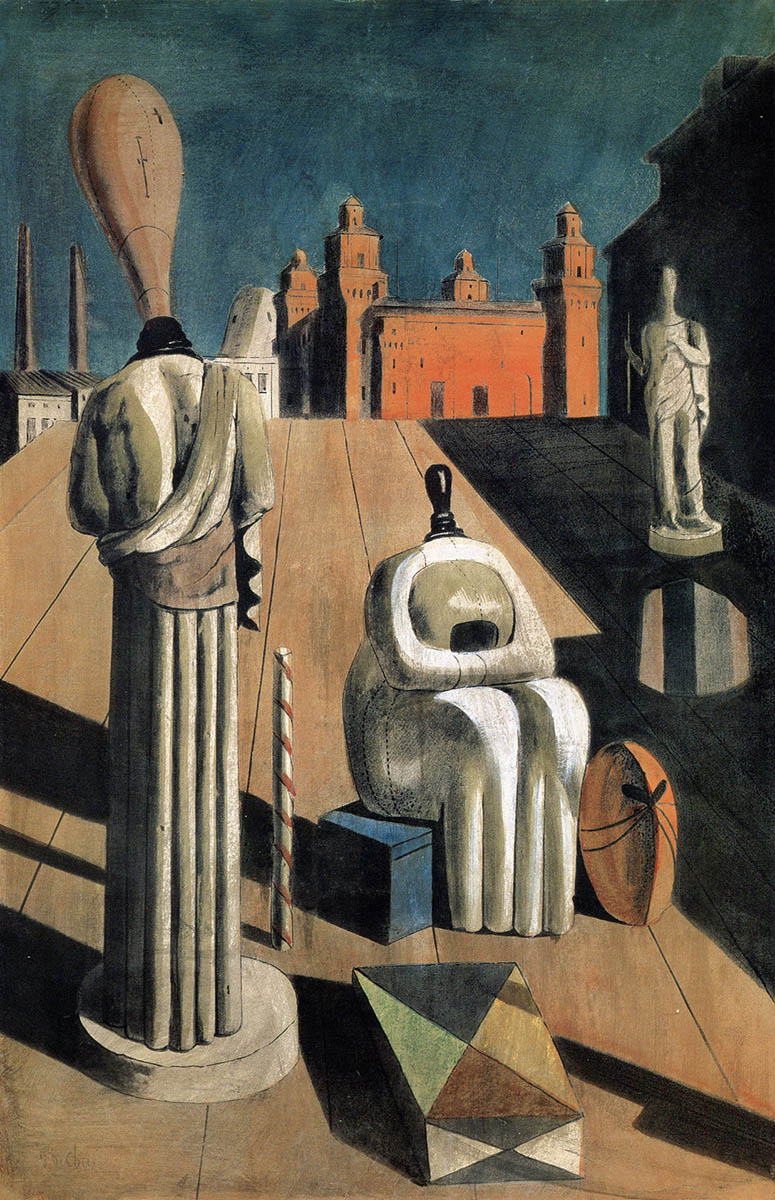
Giorgio de Chirico
Andre Breton
Maurits Cornelis Escher
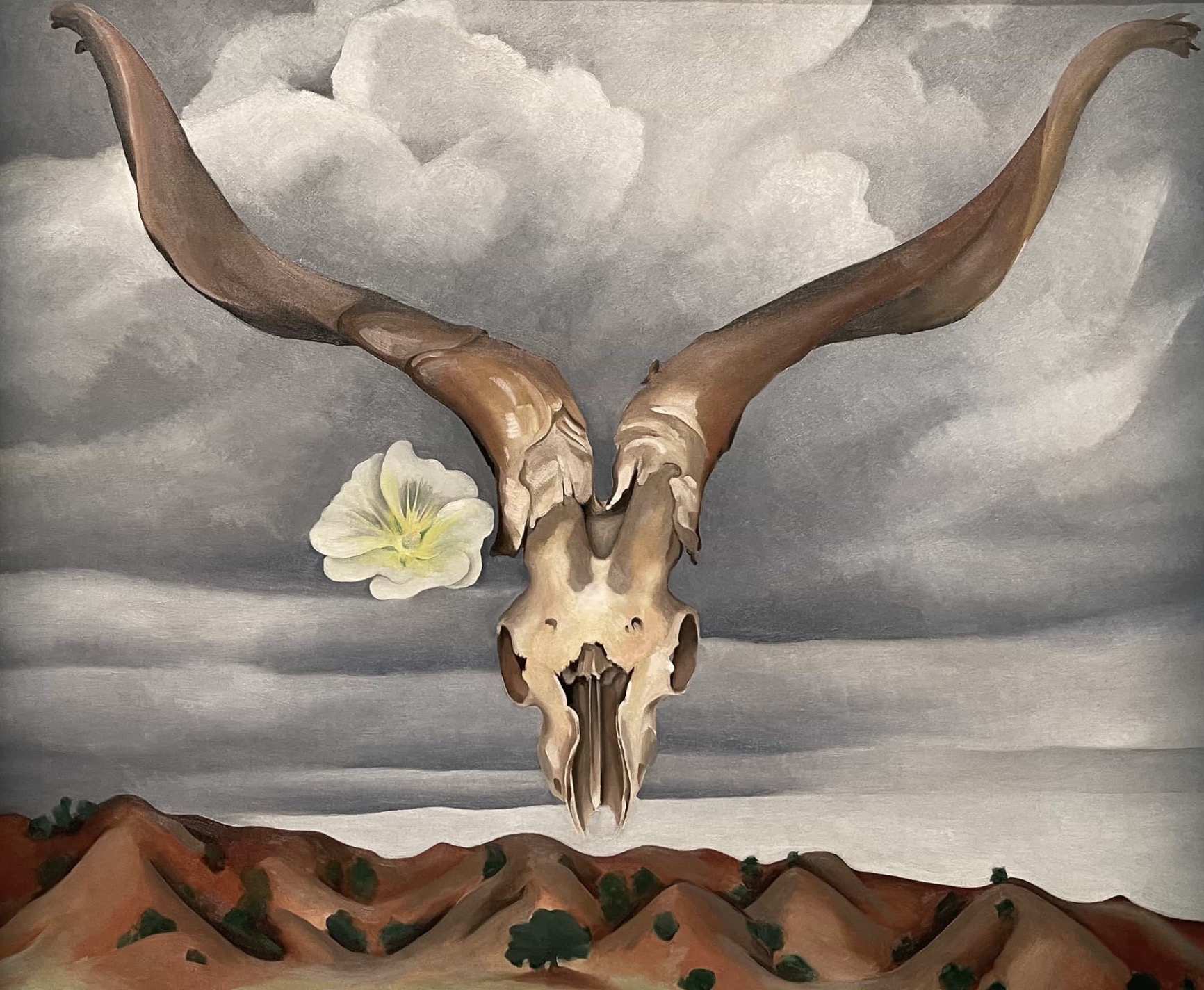
Georgia O’Keeffe
Magritte
Frida Kahlo
SUB CATEGORIES
×

Find Other Master Artists

1866

1944

1866

1944

Shopping Cart

Need Help?

Questions ! Comments ? You Tell Us We Listen .

Feel free to contact us

Add Your Heading Text Here

Login

Shopping Cart