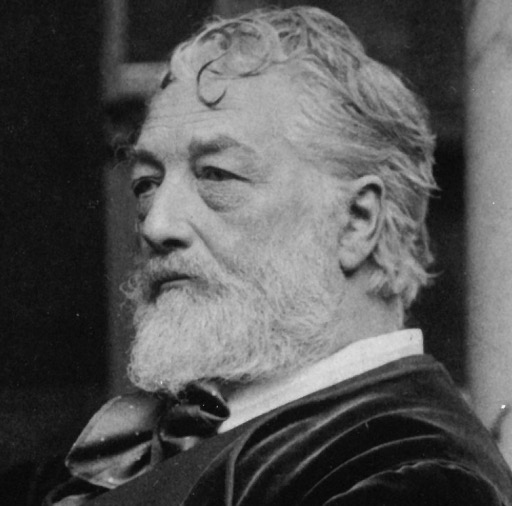



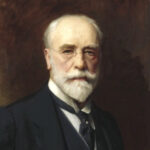
Frederic Leighton, 1st Baron Leighton (Parents: Dr. Frederic Septimus Leighton and Augusta Susan Bryan)
Frederic Leighton (1830–1896) was the preeminent figure of late Victorian art and the only British painter ever to be elevated to the peerage. He served as the President of the Royal Academy from 1878 until his death, wielding immense influence over the British art world.
Born into a wealthy medical family, Leighton spent his youth traveling across Europe, receiving a cosmopolitan art education in Berlin, Florence, Frankfurt, and Paris.
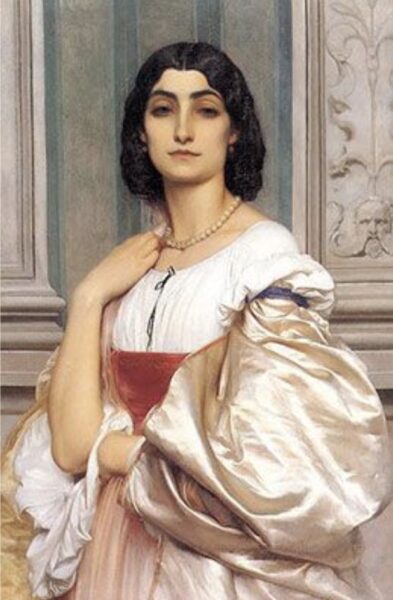
This Continental training gave him a sophisticated mastery of anatomy and classical form that set him apart from the more parochial English painters of his time. He achieved instant fame in 1855 when Queen Victoria purchased his first major painting, Cimabue’s Celebrated Madonna is Carried in Procession through the Streets of Florence.
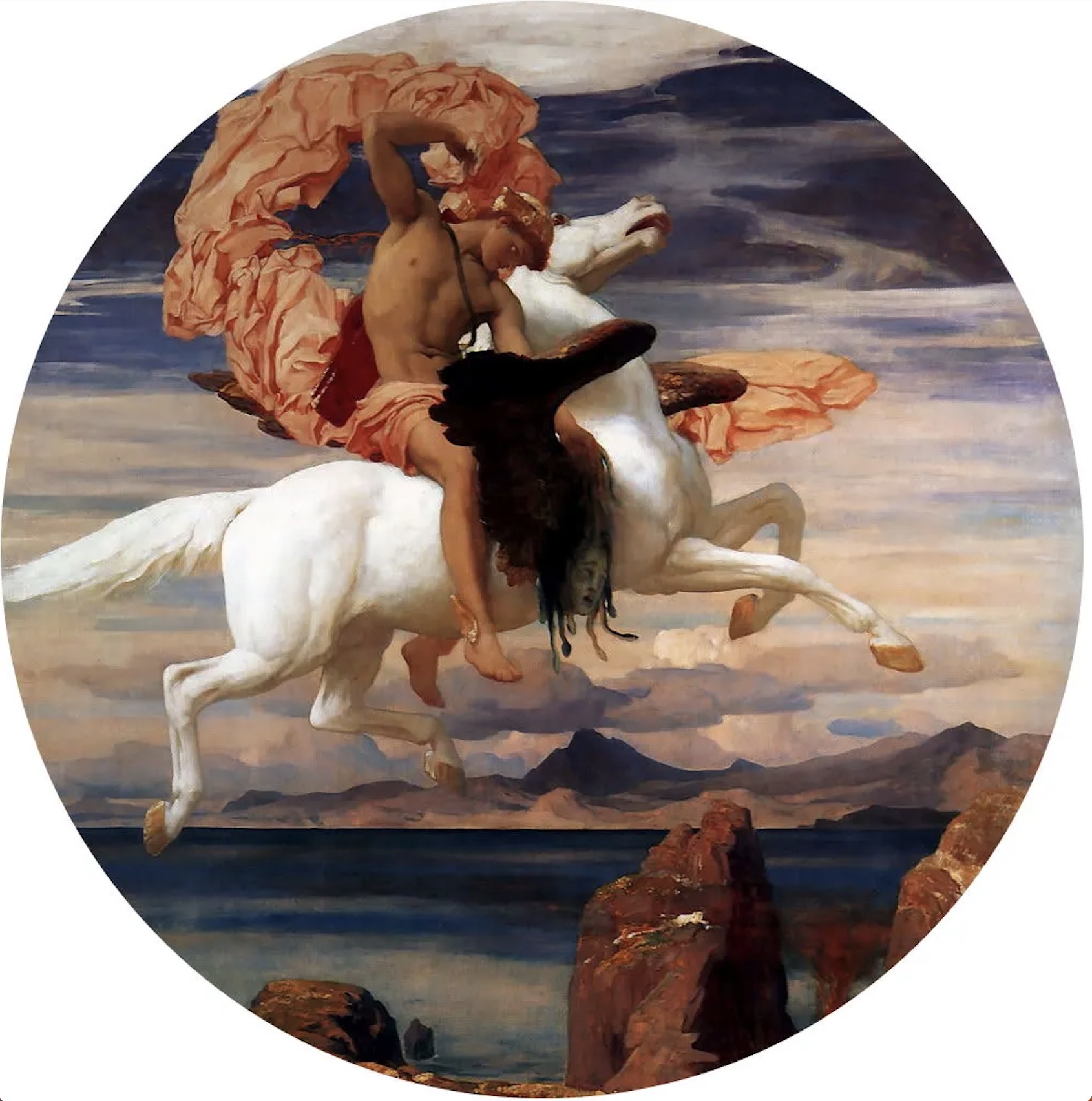
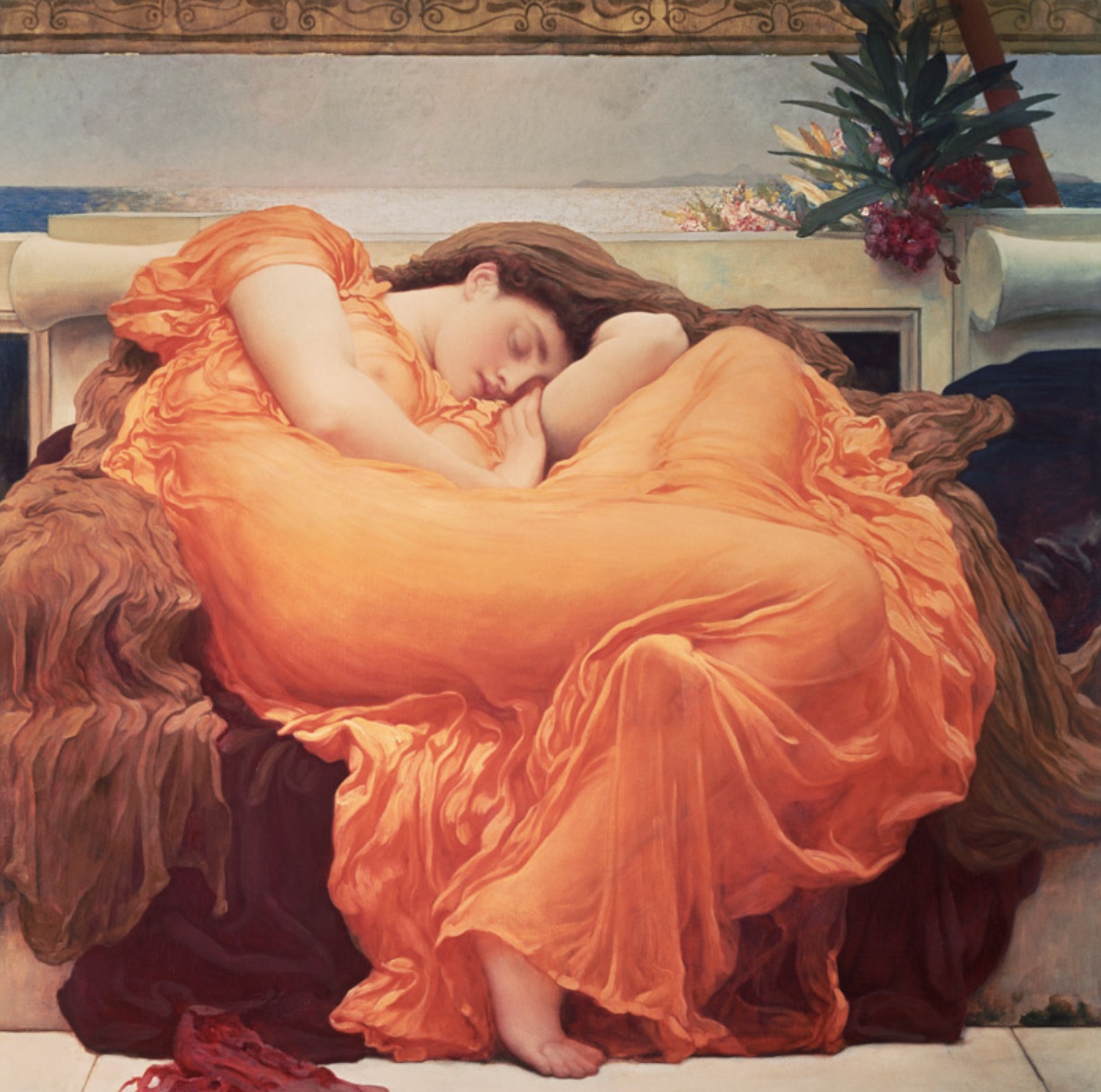
Leighton was a master of Neoclassicism, known for his depictions of mythological and historical subjects characterized by sculptural figures, refined draftsmanship, and a brilliant sense of color. His works often embodied the ideals of the Aesthetic Movement, prioritizing beauty and sensuality over moralizing narratives. His masterpiece, Flaming June (1895), remains one of the most iconic images of the 19th century, celebrated for its complex draping and glowing orange palette.
He lived in a spectacular custom-built “studio-house” in Holland Park, London (now the Leighton House Museum), which featured the famous “Arab Hall” decorated with Islamic tiles. Leighton was a dedicated teacher and a bridge between traditional academic training and the emerging modern styles of the late 19th century. He died in 1896, just one day after his peerage was officially created.
Active in others filds : Sculpture (pioneer of the New Sculpture movement), Architecture (Interior Design), Illustration.