


Anna Therese Johanne Höch | Anna Therese Johanne Höch (Parents: Friedrich Höch and Rosa Höch; Partners: Raoul Hausmann, Mathilda “Til” Brugman; Spouse: Kurt Matthies)
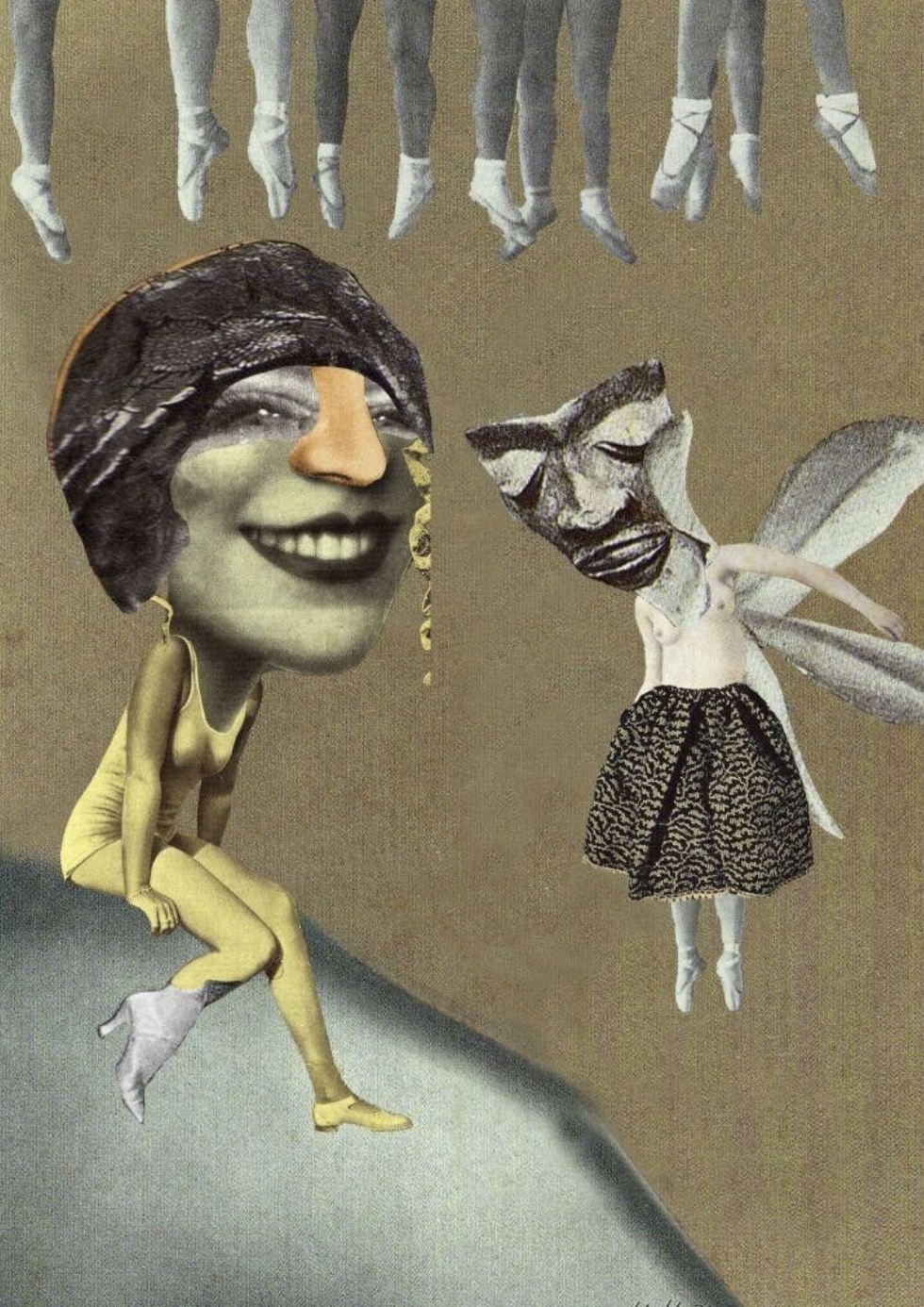
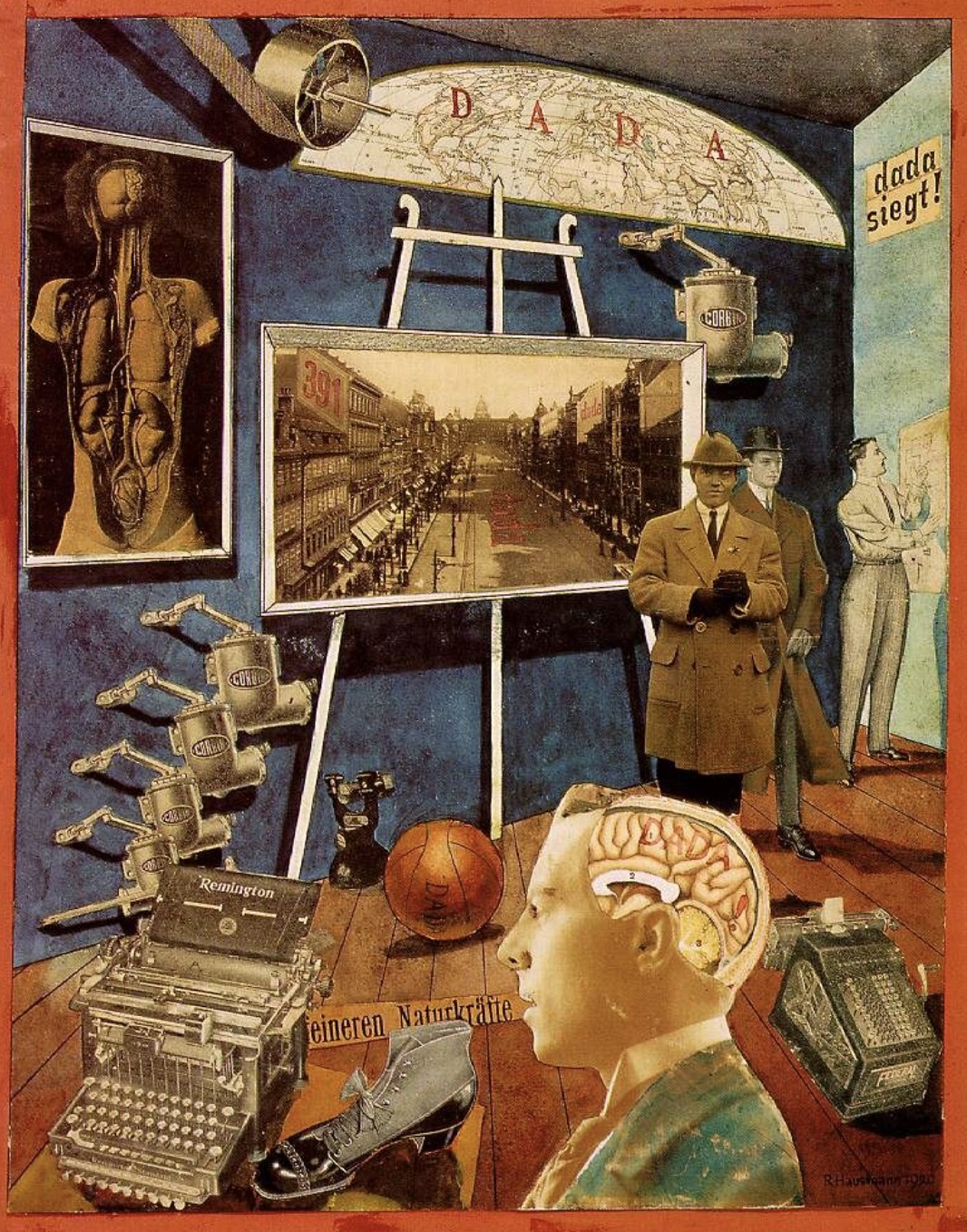
Hannah Höch (1889–1978) was a pioneering German artist and one of the inventors of photomontage—a technique involving the cutting and reassembling of photographs and text from mass media to create new, often radical meanings. She was famously the only female member of the Berlin Dada group, an avant-garde artistic and political movement that emerged in the chaotic aftermath of World War I.
Höch’s artistic training began in the decorative arts. From 1916 to 1926, she worked for the publisher Ullstein Verlag, designing embroidery and lace patterns for women’s magazines. This commercial background profoundly influenced her fine art, giving her access to the magazines, fashion journals, and illustrated press that became the raw material for her collages. She brilliantly used these materials to deconstruct and critique mainstream culture.
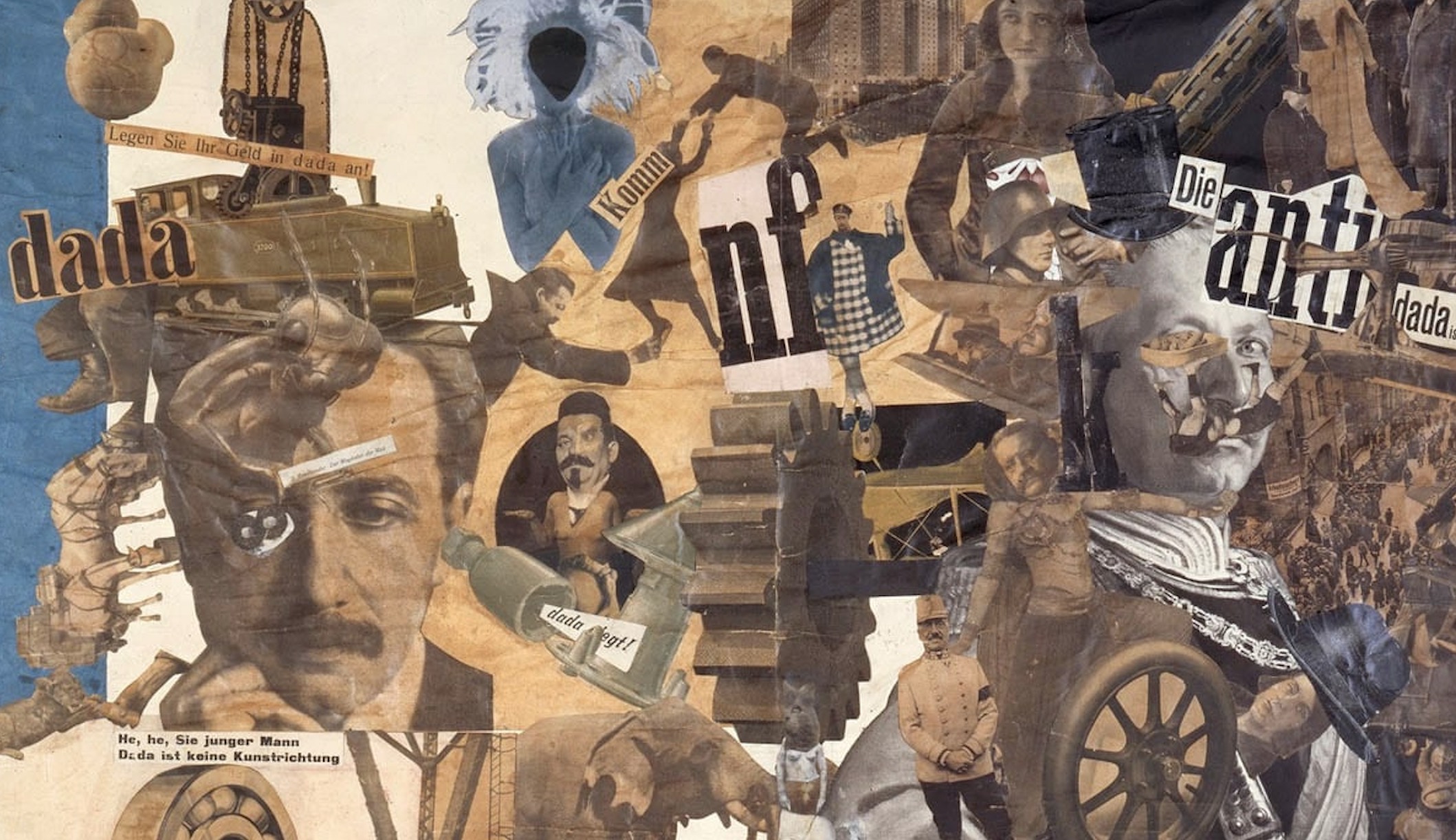
Her undisputed masterpiece, Cut with the Kitchen Knife Dada Through the Last Weimar Beer-Belly Cultural Epoch of Germany (1919–1920), is a monumental, chaotic collage that skewers the political hypocrisy, militarism, and gender norms of the Weimar Republic. A central theme in Höch’s work was the myth of the “New Woman”—an idealized, modern, independent female figure promoted by the media. Höch’s photomontages both celebrated women’s liberation and sharply critiqued the shallow, commercialized version of feminism pushed by society.
When the Nazi regime rose to power in the 1930s, the Dadaists were targeted, and Höch’s work was labeled “degenerate art.” While many of her peers fled Germany, Höch remained in a state of “internal exile.” She retreated to a small cottage on the outskirts of Berlin, hiding her vast archive of Dada artworks and her own collages in an old dry well on her property, successfully preserving a crucial chapter of art history from destruction.
After the war, she continued to create art, moving toward more abstract and surrealist compositions in her later years. Today, she is recognized as a foundational figure in feminist art and a master of the collage medium.
Active in others filds : Pattern Design, Textile Arts, Embroidery, Graphic Design.