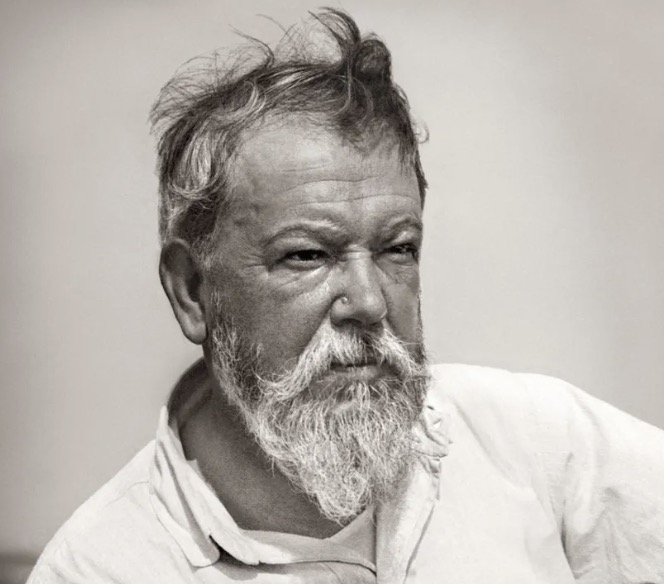


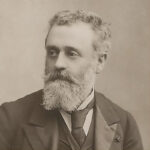
Joaquín Sorolla y Bastida (Parents: Joaquín Sorolla and Concepción Bastida; Orphaned at age two and raised by his aunt and uncle, Isabel and José; Spouse: Clotilde García del Castillo; Children: María, Joaquín, and Elena)
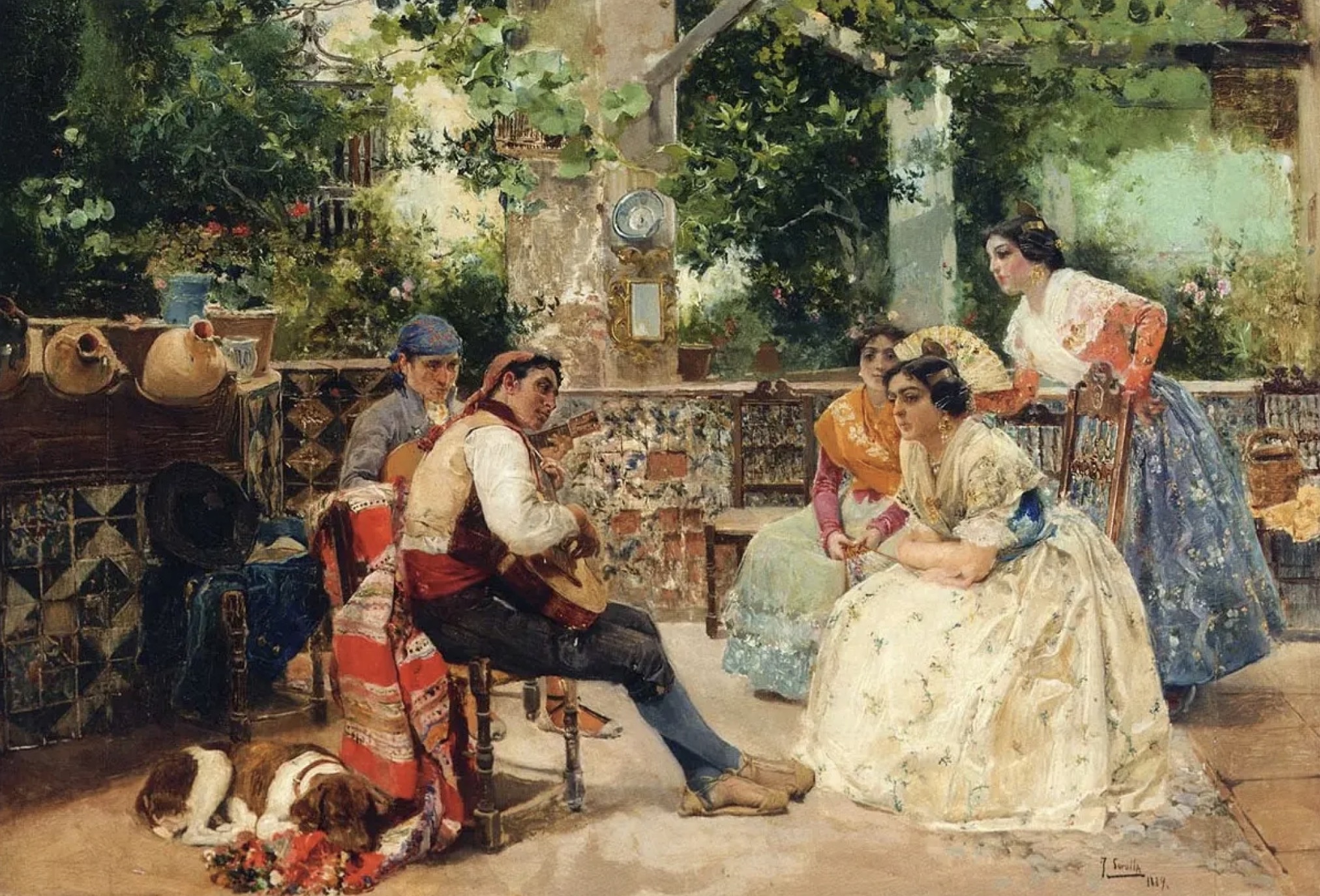
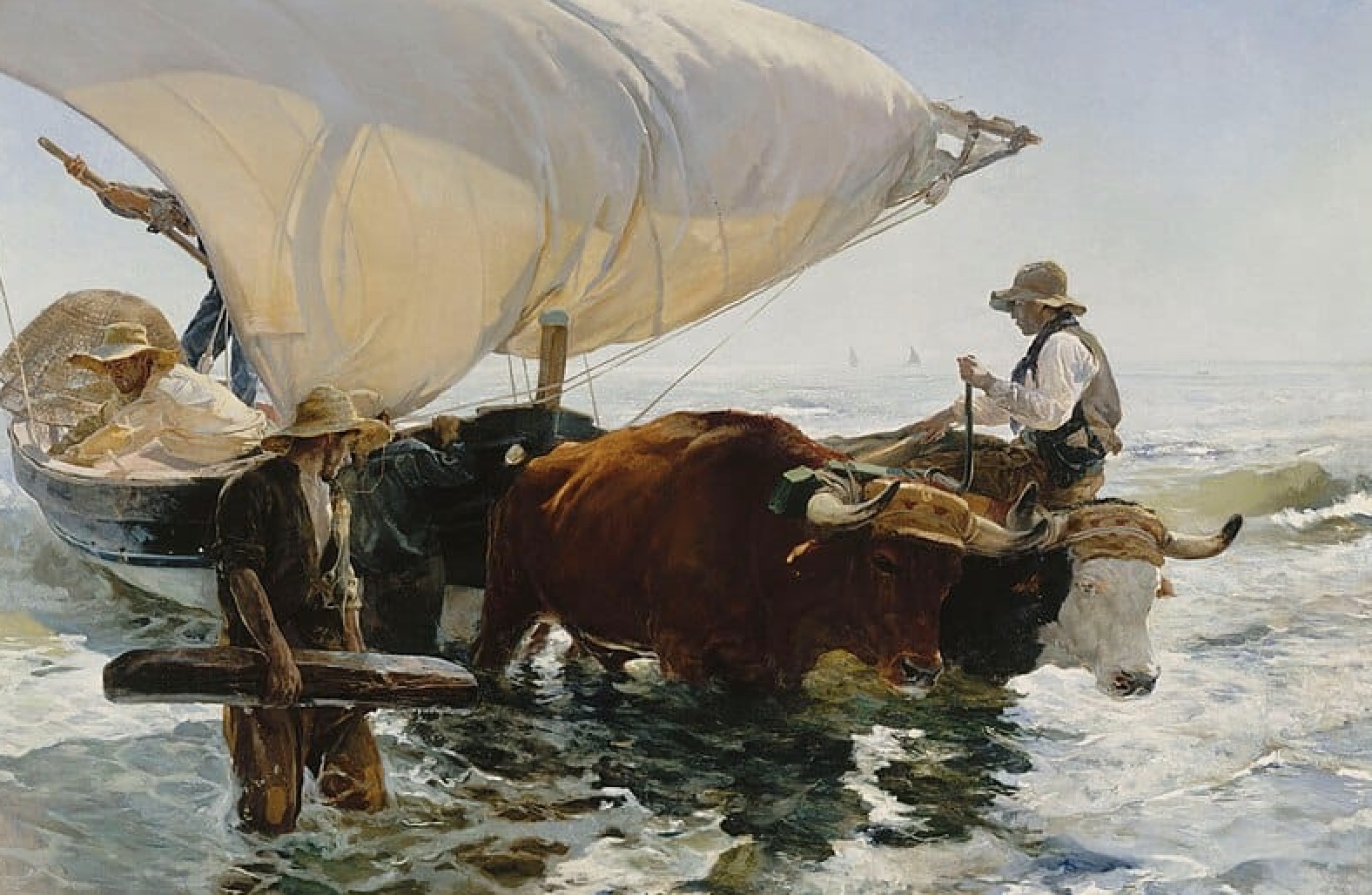
Joaquín Sorolla y Bastida (1863–1923) was a prolific Spanish painter universally celebrated as the “Master of Light.” He excelled in portraits, landscapes, and monumental works of social and historical themes, but his most enduring legacy is his breathtaking ability to capture the radiant, sun-drenched atmosphere of the Mediterranean coast.
Orphaned in a cholera epidemic at the age of two, Sorolla was raised by his aunt and locksmith uncle in Valencia. He displayed an early aptitude for drawing and began formal art education at the Academy of San Carlos at the age of 15. After traveling to Madrid to study the masterworks of Velázquez in the Prado Museum, and later securing a grant to study in Rome, his style began to mature. A subsequent trip to Paris exposed him to French Impressionism, which profoundly influenced his use of vibrant color and plein-air (outdoor) painting techniques.
Sorolla achieved massive international acclaim with his masterpiece Sad Inheritance (1899), which depicted disabled children bathing in the sea under the care of a monk. The painting won him the Grand Prix at the Universal Exposition in Paris in 1900. However, he is most beloved for his luminous, joyous beach scenes, such as Strolling on the Seashore (1909) and Boys on the Beach (1909). His bravura brushwork flawlessly captured the blinding Spanish sunlight reflecting off wet sand, rushing water, and flowing white fabrics.
In 1911, Sorolla undertook the most ambitious project of his life: a commission from Archer M. Huntington for the Hispanic Society of America in New York. Titled Vision of Spain, it is a series of 14 massive murals spanning over 200 feet, depicting the costumes, customs, and landscapes of Spain’s diverse regions. Sorolla spent nearly a decade traveling across his homeland, painting the enormous canvases outdoors to ensure absolute authenticity of light and atmosphere.
The exhausting endeavor took a severe toll on his health. In 1920, while painting a portrait in his garden in Madrid, Sorolla suffered a stroke that left him paralyzed and unable to paint for the remainder of his life. He died three years later. His beautifully preserved home and studio in Madrid was gifted to the Spanish state by his widow and is now the Museo Sorolla.
Active in others filds : Monumental Mural Painting, Society Portraiture.