


Jørn Oberg Utzon (Father: Aage Utzon, a naval architect; Mother: Estrid Haliaa; Spouse: Lis Fenger; Children: Jan, Kim, and Lin Utzon, who also pursued architecture and art)
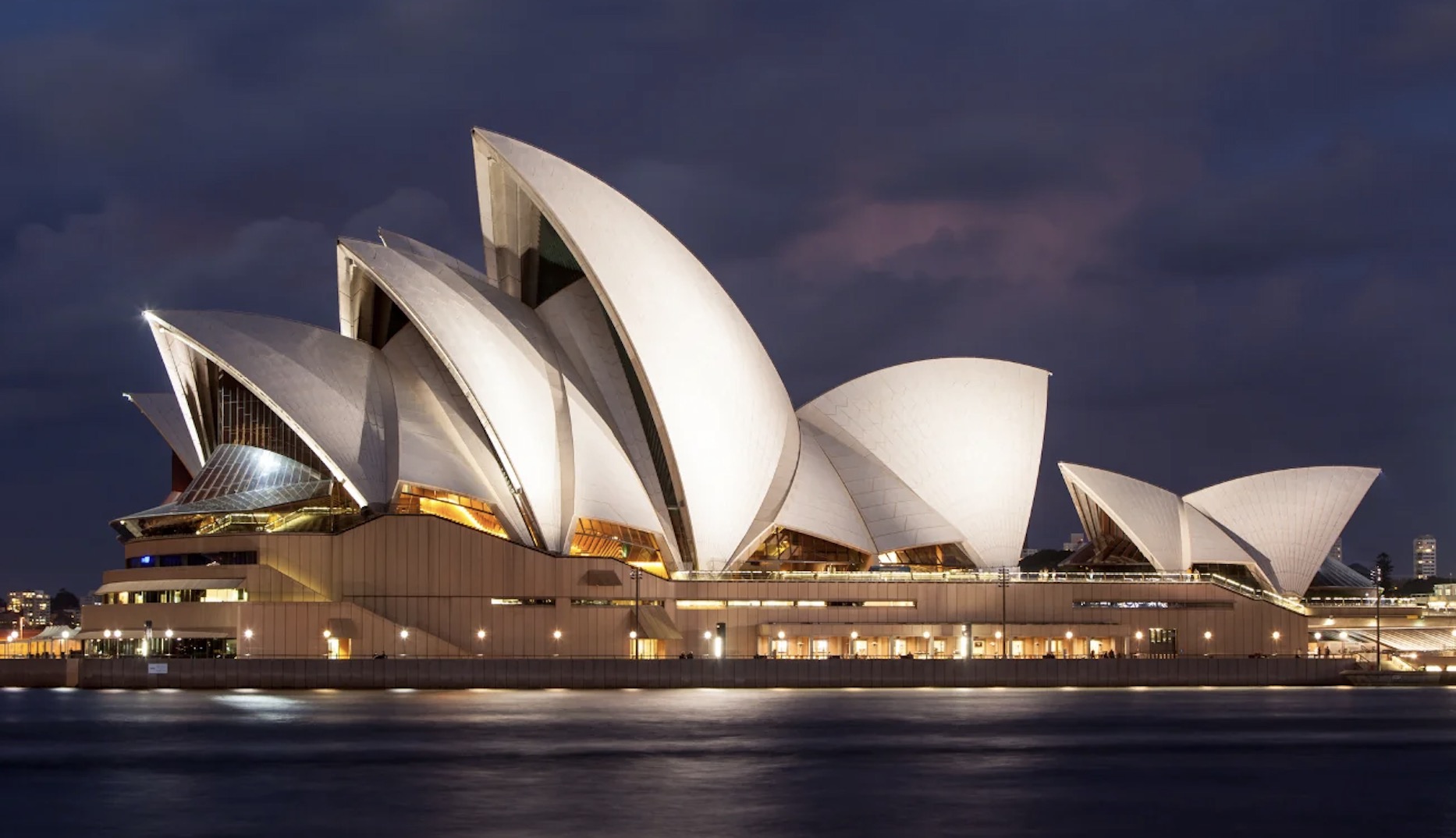
Jørn Oberg Utzon (1918–2008) was a visionary Danish architect whose legacy is defined by one of the most iconic and recognizable structures of the 20th century: the Sydney Opera House. His work is celebrated globally for its seamless synthesis of structural integrity, sculptural organic forms, and a profound connection to nature.
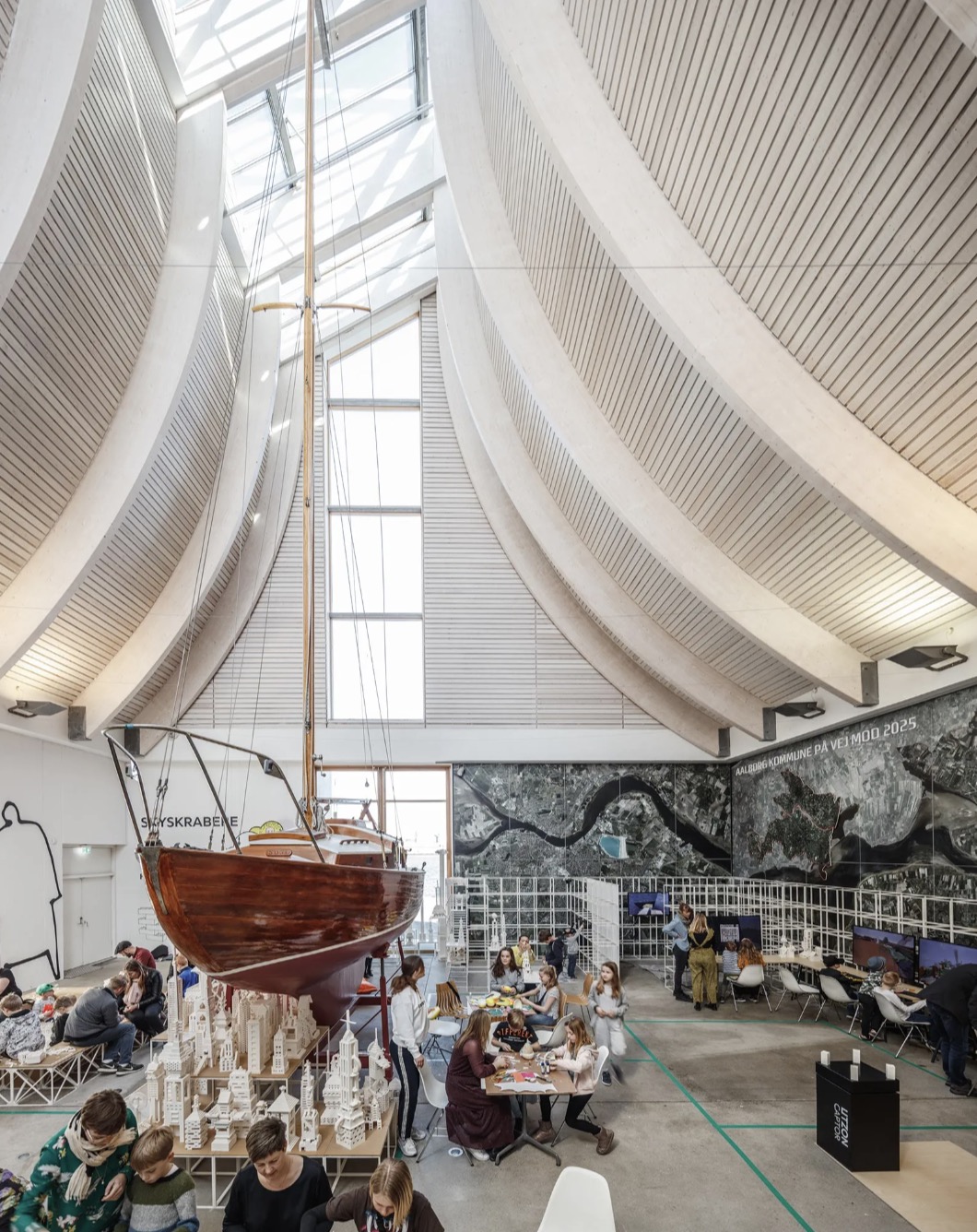
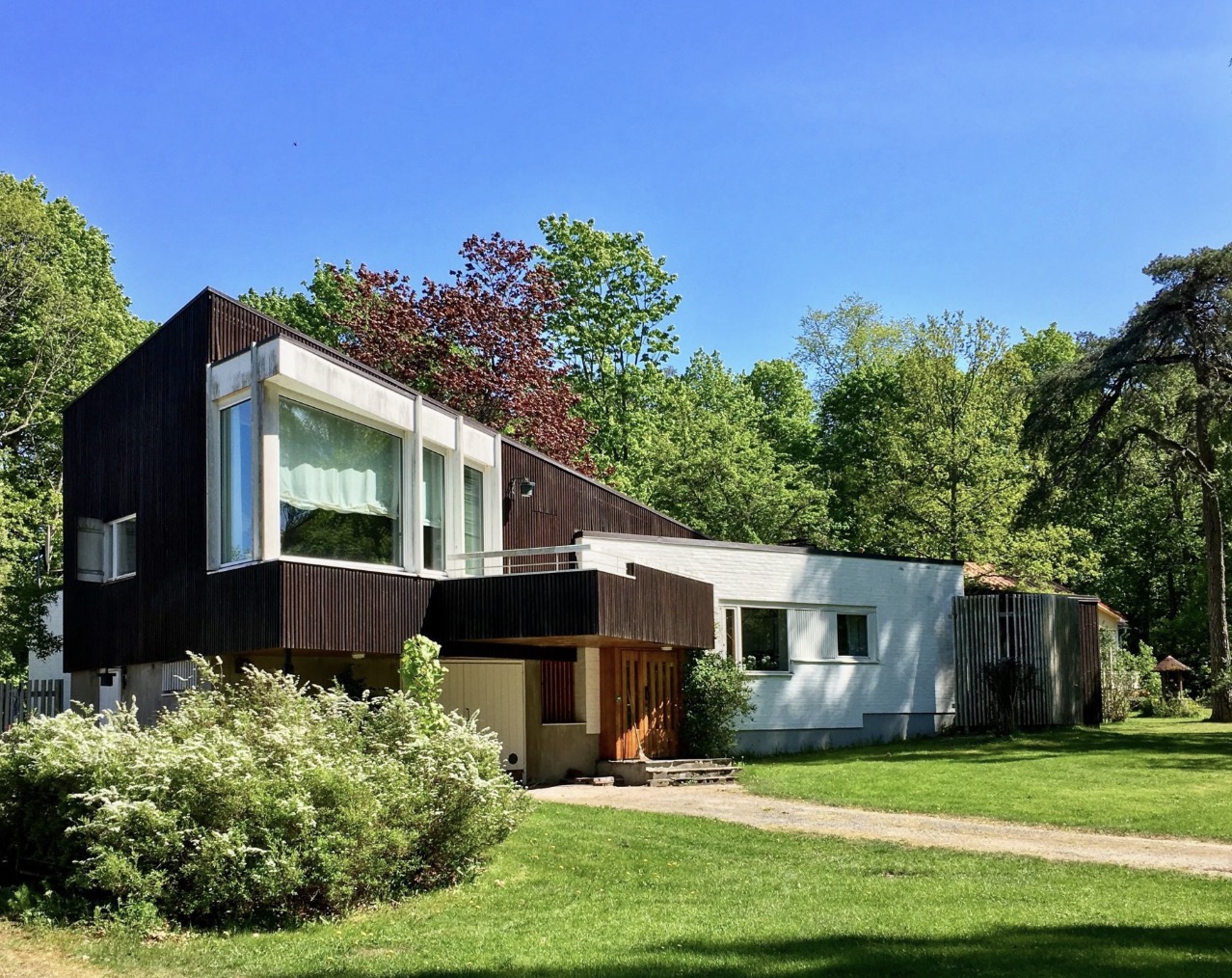
Growing up in Aalborg, Denmark, Utzon was deeply influenced by his father, a brilliant naval architect. This early exposure to shipbuilding instilled in him a lifelong appreciation for structural efficiency, modular construction, and the fluid curves of maritime design. Utzon studied at the Royal Danish Academy of Fine Arts in Copenhagen, graduating in 1942. During World War II, he fled to neutral Sweden, where he worked with and was heavily influenced by the organic modernism of Alvar Aalto. After the war, he traveled extensively, drawing inspiration from Frank Lloyd Wright in the United States and the monumental stepped platforms of Mayan architecture in Mexico.
In 1957, Utzon—then relatively unknown outside of Denmark—unexpectedly won the international design competition for the Sydney Opera House. His proposal, featuring interlocking, sail-like concrete shells resting on a massive terraced platform, pushed the absolute limits of engineering and computer technology of the era. However, the ambitious project was soon plagued by technical challenges, political interference, and escalating costs. In 1966, amidst a bitter dispute with the newly elected New South Wales government, Utzon was forced to resign and left Australia, never to return. The building’s interiors were completed by others, significantly altering his original vision.
Despite the heartbreak surrounding his most famous work, Utzon continued to design masterpieces, often drawing inspiration from nature and traditional building techniques. Notable projects include the innovative courtyard-style Kingo Houses and Fredensborg Houses in Denmark, the radially brilliant Bagsværd Church (famous for its rolling, cloud-like concrete interior ceiling), and the National Assembly Building in Kuwait.
Utzon received worldwide vindication in his later years. He was awarded the prestigious Pritzker Architecture Prize in 2003, with the jury declaring the Sydney Opera House one of the great iconic buildings of the 20th century. In 2007, the Opera House was designated a UNESCO World Heritage site, a rare honor for a building during its architect’s lifetime.
Active in others filds : Furniture Design, Industrial Design, Urban Planning.