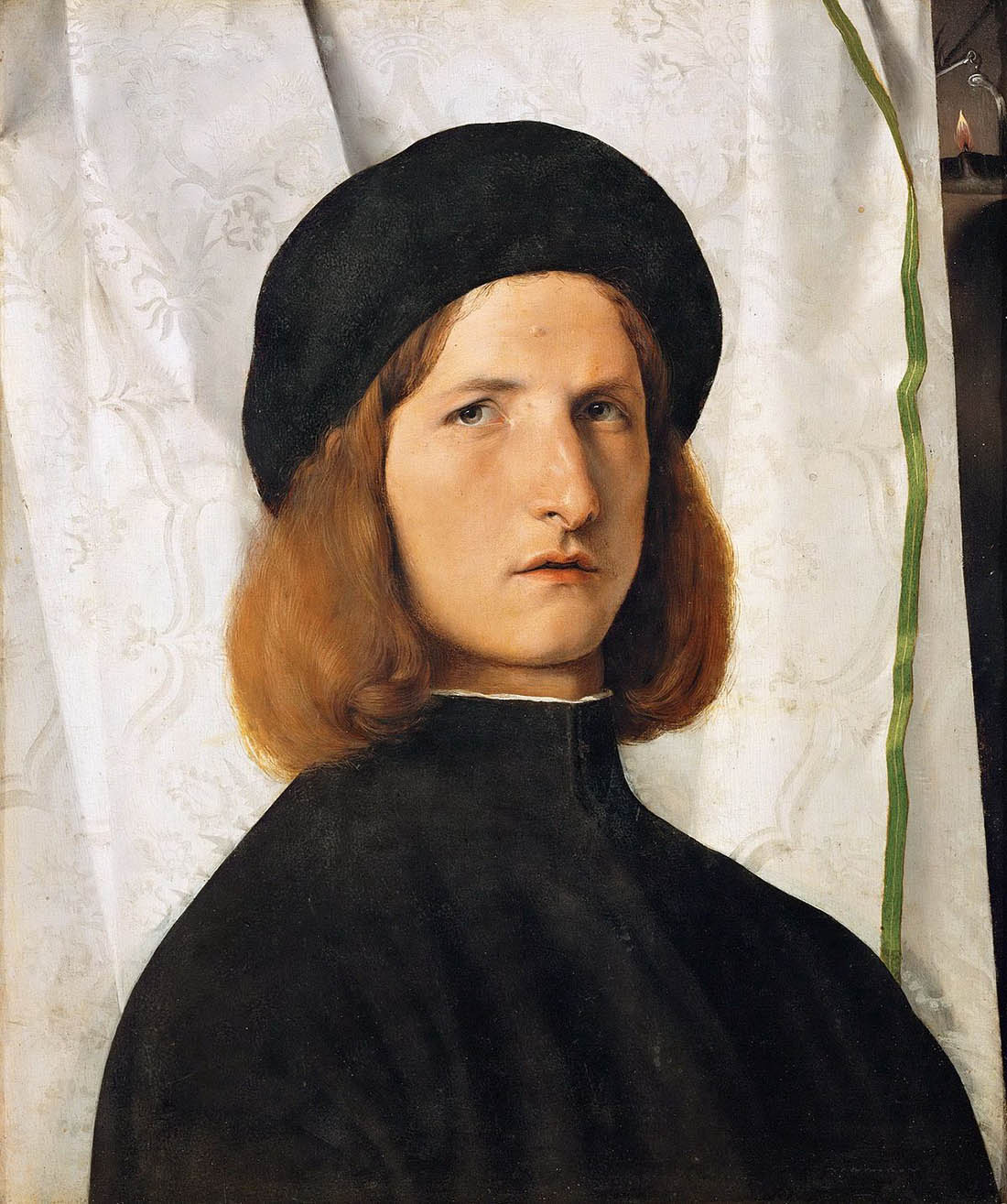




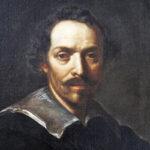
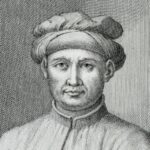
Lorenzo Lotto (Father: Tommaso Lotto) |
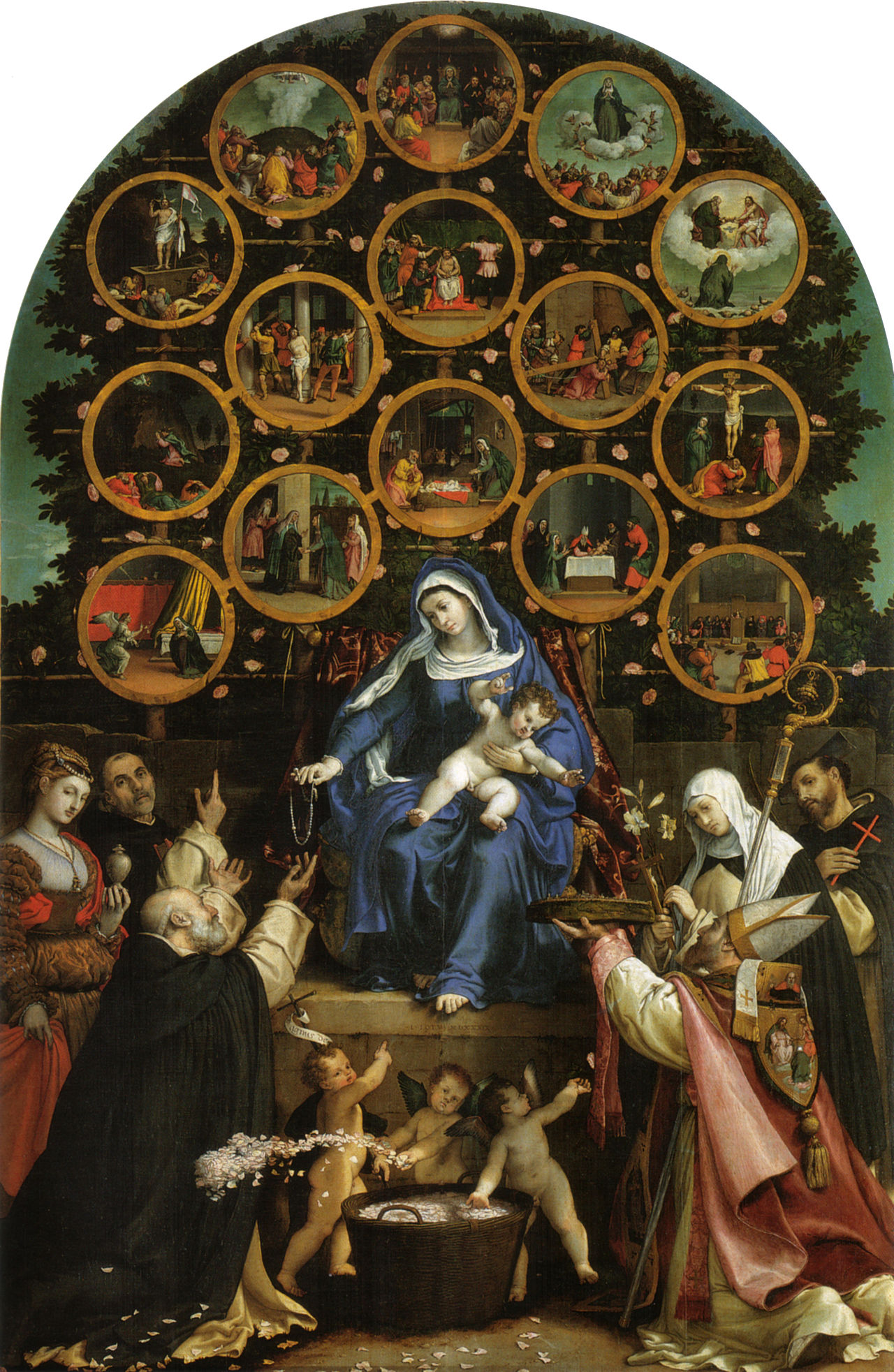
Lorenzo Lotto (c. 1480–1556/1557) was a brilliant but idiosyncratic Italian painter, draftsman, and illustrator of the High Renaissance. Traditionally placed within the Venetian School, his unique, highly personal style—characterized by vivid colors, nervous energy, and intense psychological realism—eventually led him to transition into early Mannerism.
Born in Venice, Lotto was influenced early on by Giovanni Bellini and Antonello da Messina. However, he found himself unable to compete with the dominant, classical grandeur of his contemporary, Titian. As a result, Lotto lived a nomadic life, leaving Venice to work in various cities across Northern and Central Italy, finding his greatest successes in Treviso, Bergamo, and the Marches, as well as spending time in Rome.
Lotto is highly regarded for his religious altarpieces, but he is perhaps most celebrated today for his extraordinary portraits. Unlike the idealized portraits typical of the era, Lotto’s subjects often appear restless or melancholy. He was a master at capturing the complex inner lives and psychological depth of his sitters, frequently surrounding them with symbolic objects that hinted at their personal histories, professions, or spiritual beliefs.
Despite his undeniable talent, Lotto’s eccentric style and wandering lifestyle meant he never achieved the immense wealth or lasting fame of his Venetian peers during his lifetime. In his final years, plagued by financial difficulties, declining health, and failing eyesight, he retired to the sanctuary of the Holy House in Loreto, becoming a lay brother.
His work was largely forgotten after his death but was enthusiastically rediscovered at the end of the 19th century by art historian Bernard Berenson, who recognized Lotto as a visionary artist whose emotional intensity felt strikingly modern.
Active in others filds : Draughtsmanship, Fresco Painting.