


Pieter Bruegel the Elder

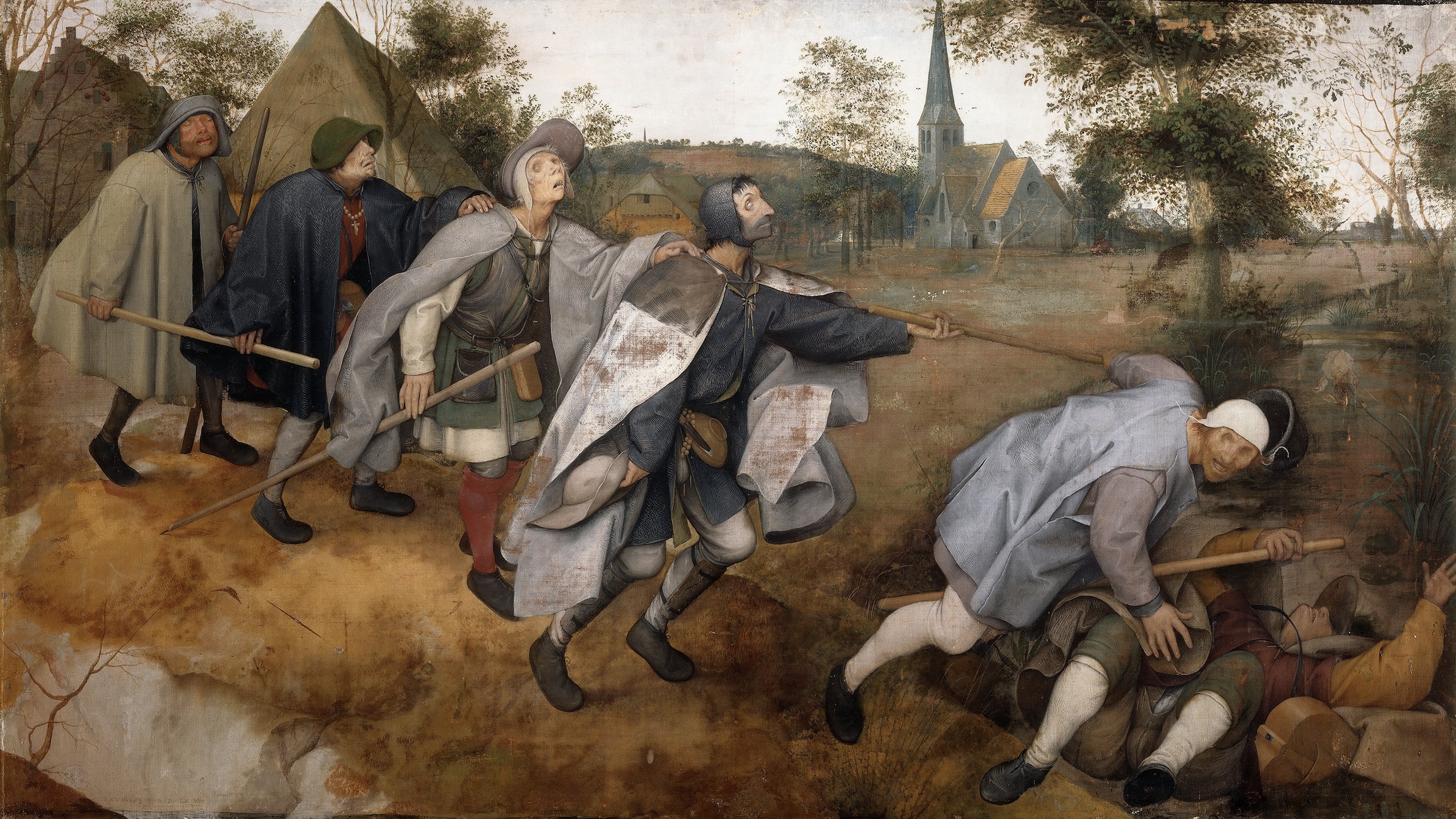
The Parable of the Blind (1568) by Pieter Bruegel the Elder is a stark visual translation of the biblical proverb, “the blind leading the blind.” It portrays a chain of six blind men stumbling diagonally into a ditch against a serene village backdrop. The masterpiece brilliantly captures the physical momentum of their inevitable fall, serving as a powerful allegory for human folly and spiritual blindness.

Name : Pieter Bruegel the Elder

Born : 1525–1530

Died : 1569

Art Style & Movement : orthern Renaissance - Genre Painting - Landscape Painting

Main Field/s :

SUB CATEGORIES
×

Keep Reading About

Pieter Bruegel the Elder

Pieter Bruegel (Spouse: Mayken Coecke; Children: Pieter Brueghel the Younger and Jan Brueghel the Elder, both of whom became prominent painters)

Pieter Bruegel the Elder (c. 1525/30–1569) was the most significant artist of Dutch and Flemish Renaissance painting, celebrated for his profound, sweeping landscapes and lively peasant scenes. He was a pioneering figure who helped elevate “genre painting”—scenes of everyday life—to the level of high art.

Hunters in the Snow by Pieter Bruegel the Elder, 1565

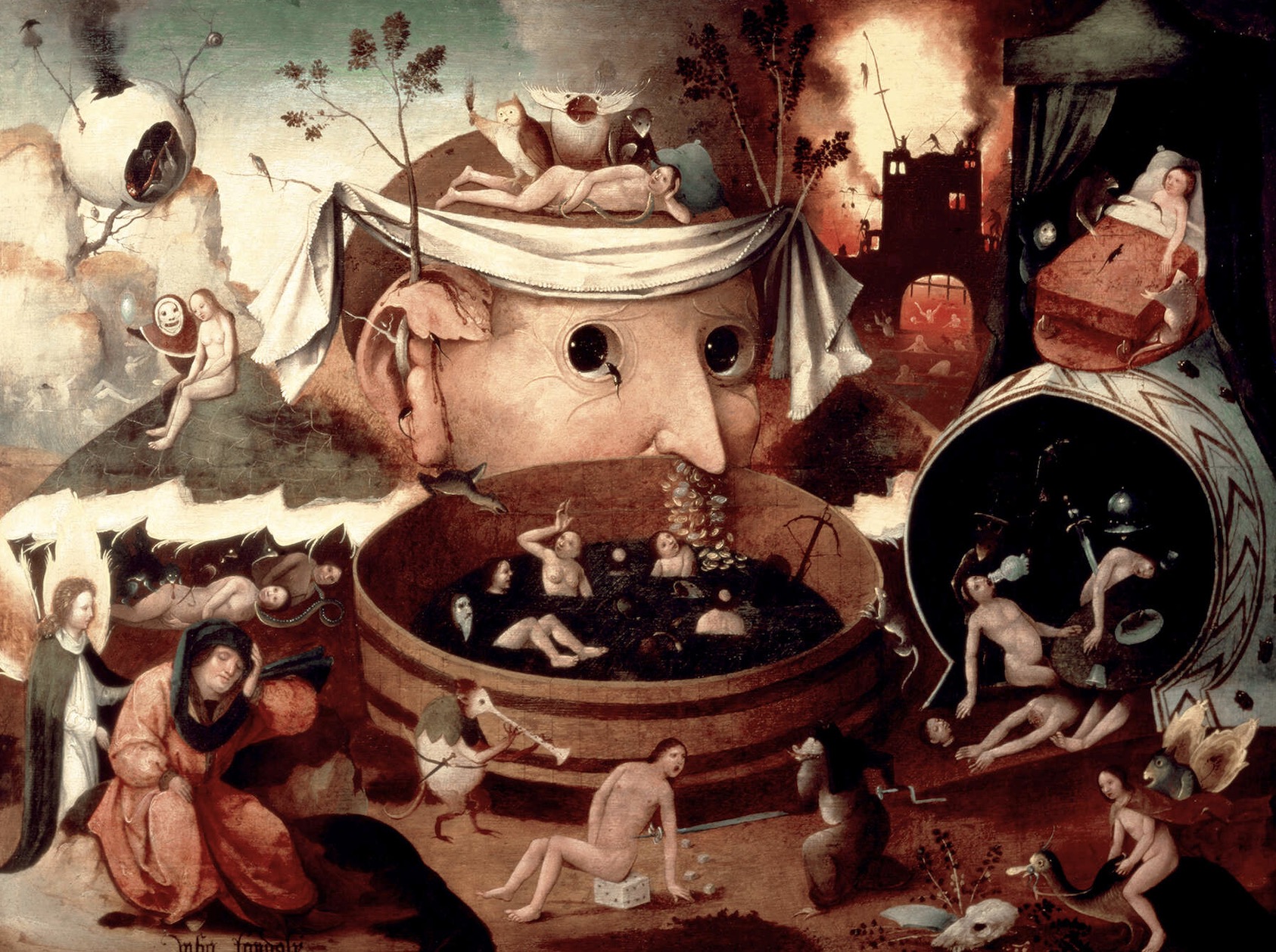
Bruegel’s early career involved an extensive journey through France and Italy around 1551. However, unlike many of his Northern contemporaries who returned home painting imitations of the Italian Renaissance masters, Bruegel was more inspired by the towering, rugged landscapes of the Alps. Upon returning to Antwerp, he initially earned a living drawing designs for prints and engravings published by Hieronymus Cock, which were heavily influenced by the fantastical and grotesque style of Hieronymus Bosch. In 1559, he dropped the “h” from his surname (Brueghel) and began signing his works as “Bruegel.”

By the 1560s, Bruegel had transitioned primarily to painting. He earned the nickname “Peasant Bruegel” due to his habit of dressing up in peasant clothing to attend village weddings and festivals, allowing him to authentically observe and sketch the rural population. His masterful works, such as The Peasant Wedding (1567) and Netherlandish Proverbs (1559), offer a vibrant, unsentimental, and often humorous glimpse into the human condition, capturing the follies, struggles, and vitality of everyday people.

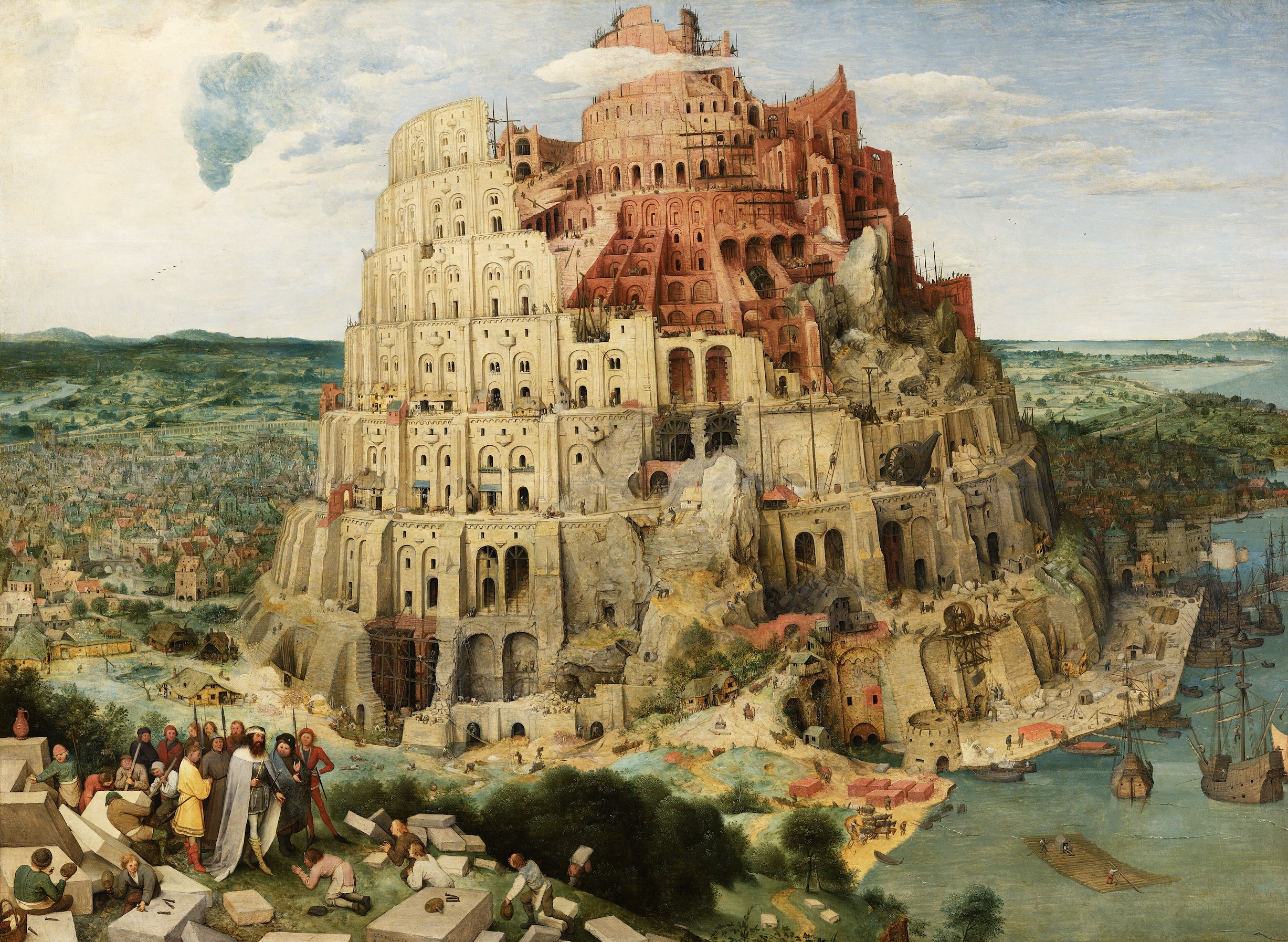
Beyond his genre scenes, Bruegel was a master of landscape and atmosphere. His monumental series depicting the months of the year includes The Hunters in the Snow (1565), widely considered one of the greatest winter landscapes in Western art. His complex, allegorical works like The Tower of Babel (1563) showcase his incredible attention to architectural detail and human scale. Bruegel passed away in his early forties, but his legacy established a dynasty of painters and fundamentally shaped the trajectory of Dutch Golden Age painting.

Active in others filds : Printmaking Design, Draughtsmanship.
Related Link/s

The Realm of Analog Artistry

This curated space is dedicated to the timeless works of global master artists, created through traditional mediums and manual precision. From fine oil paintings to architectural drafting, every piece represents the authentic tactile heritage of visual arts .

Pieter Bruegel the Elder

Art by : Pieter Bruegel the Elder

Renaissance

The Renaissance (meaning “Rebirth”) was a fervent period of European cultural, artistic, political, and economic “rebirth” following the Middle Ages. It marked the transition from medievalism to modernity. Artistically, it moved away from the flat, symbolic iconography of the Gothic period toward a profound Naturalism based on the observation of the physical world.

For researchers and students, the Renaissance is typically analyzed in three distinct phases:

  • Early Renaissance (1400–1490): The discovery of linear perspective and the revival of classical Roman forms.

  • High Renaissance (1490–1527): The peak of technical mastery, focusing on “Divine Proportion,” harmony, and the genius of the “Universal Man” (Polymath).

  • Northern Renaissance: Occurring in the Netherlands and Germany, focusing on extreme detail, oil painting techniques, and domestic realism rather than the idealized forms of Italy.

Related

Titian
Hans Holbein the Younger
Rogier van der Weyden
Hans Holbein the elder
Michelangelo
Hieronymus Bosch
SUB CATEGORIES
×

Find Other Master Artists

1938

Shopping Cart

Need Help?

Questions ! Comments ? You Tell Us We Listen .

Feel free to contact us

Add Your Heading Text Here

Login

Shopping Cart