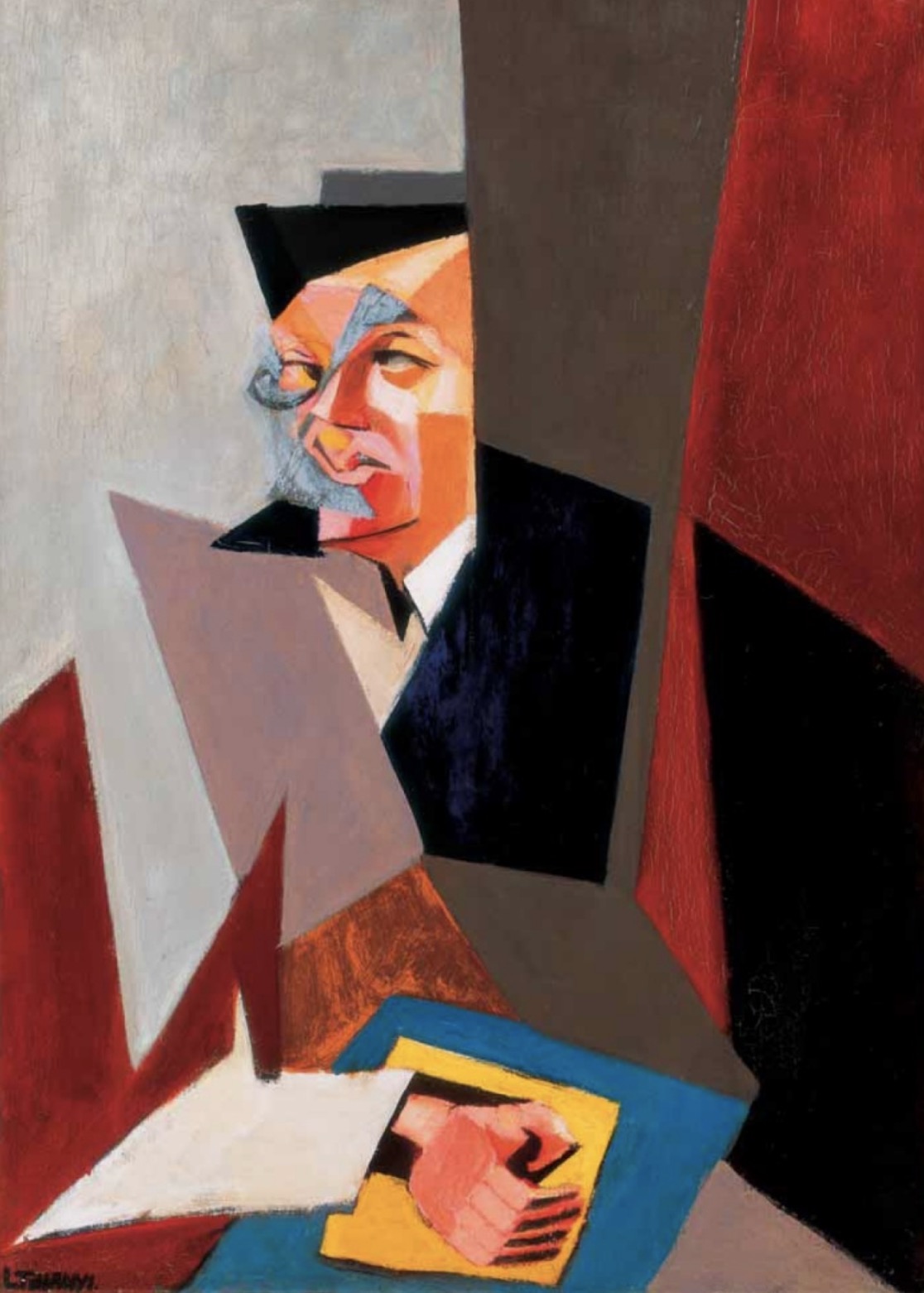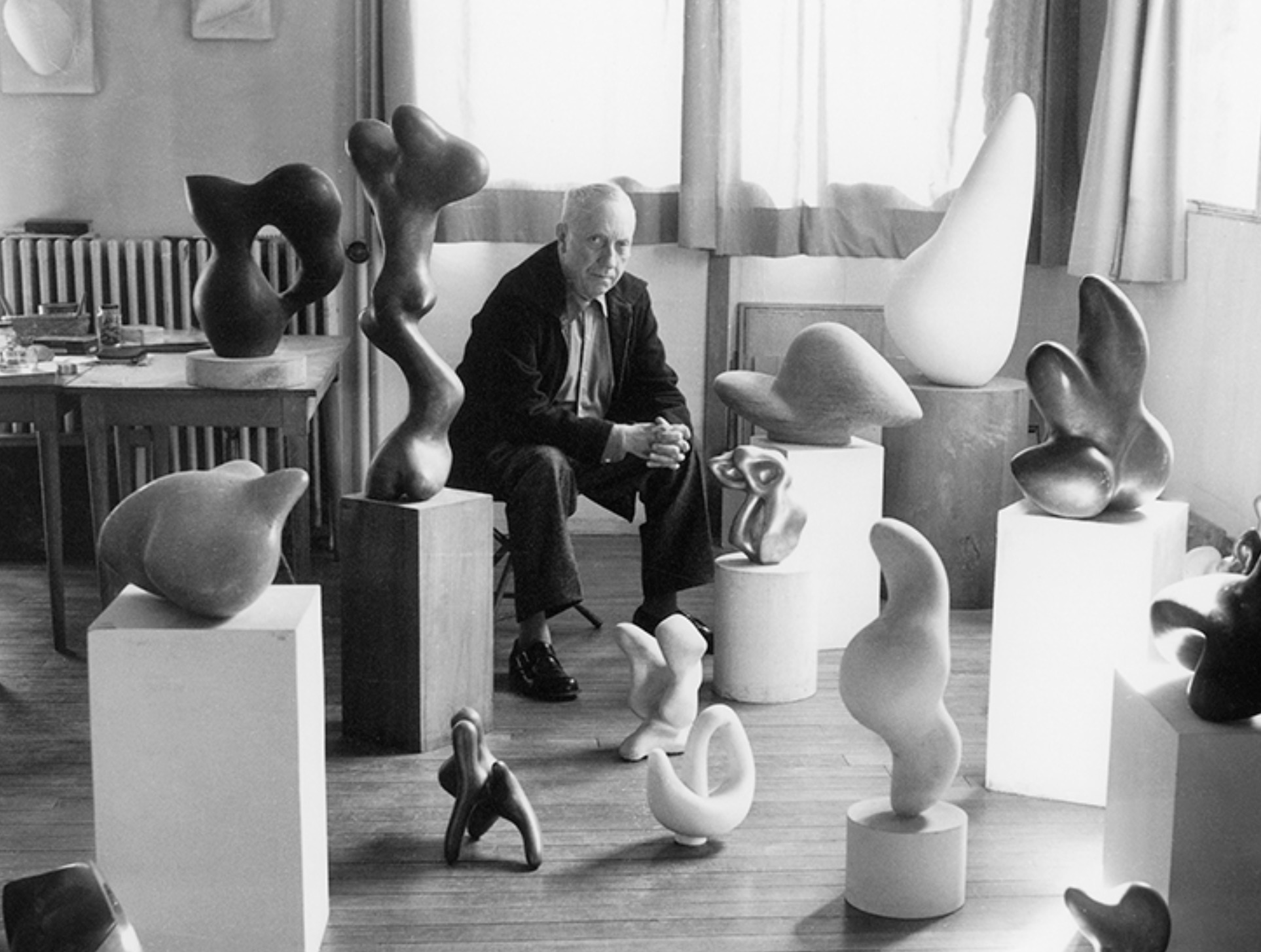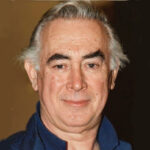
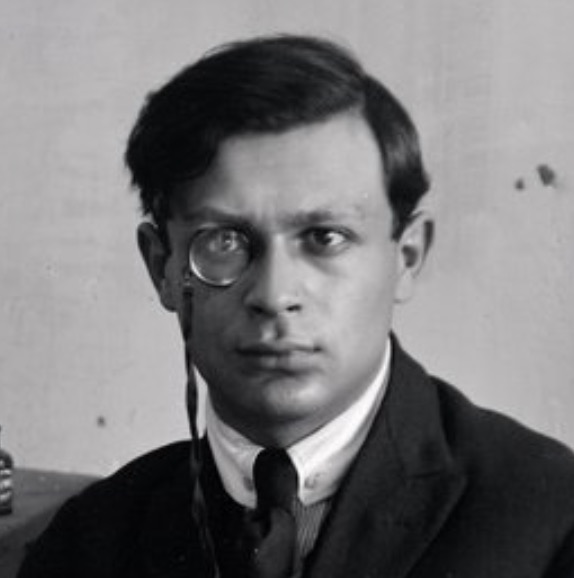


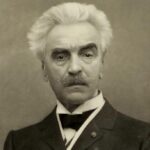
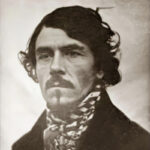

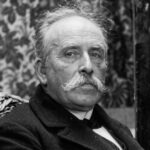
Samuel Rosenstock (Parents: Filip and Emilia Rosenstock; Spouse: Greta Knutson, a Swedish artist)
Tristan Tzara (1896–1963) was a Romanian-born French avant-garde poet, essayist, and performance artist, best known as a principal founder and the central philosophical figure of the Dada movement.
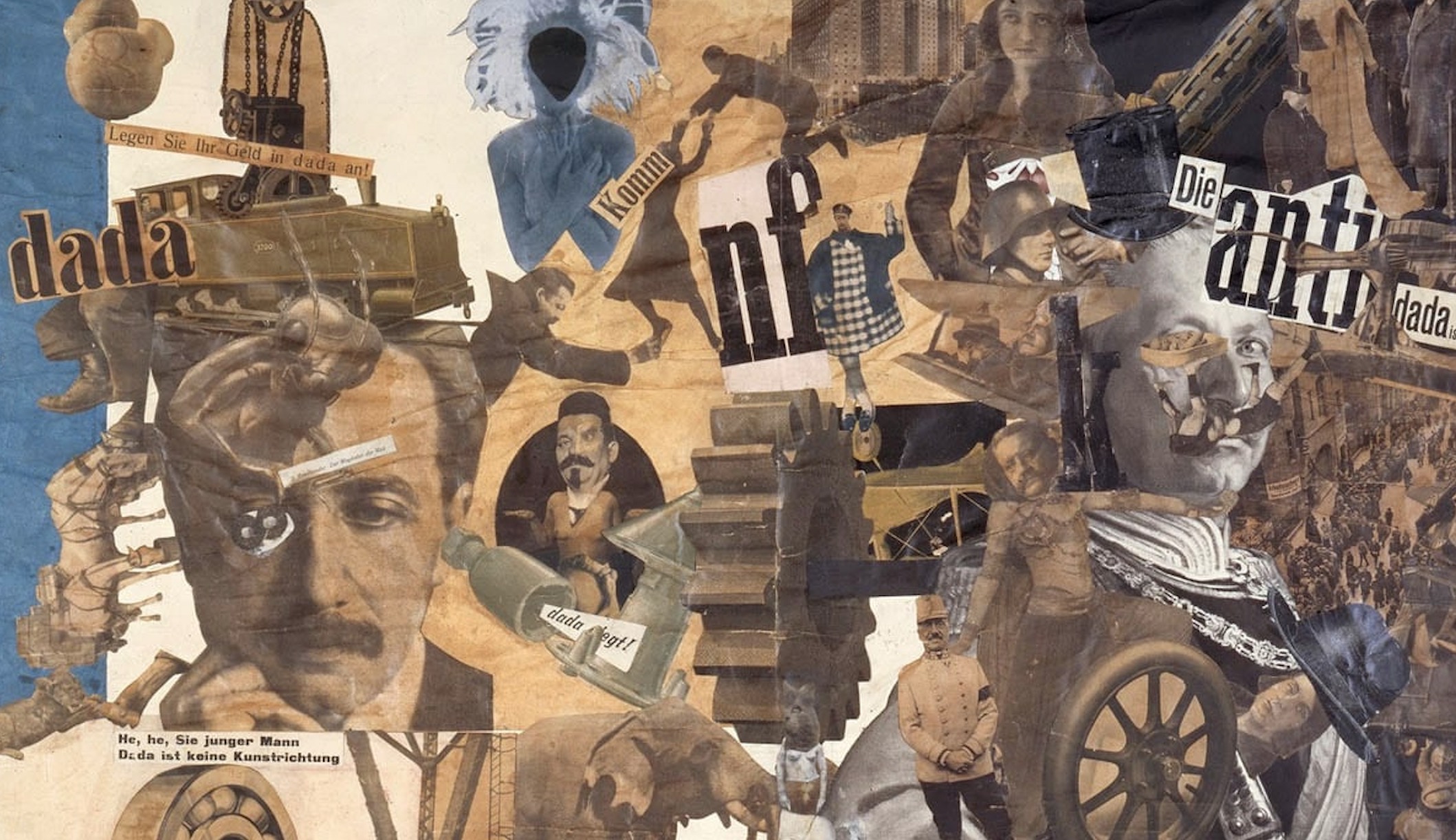
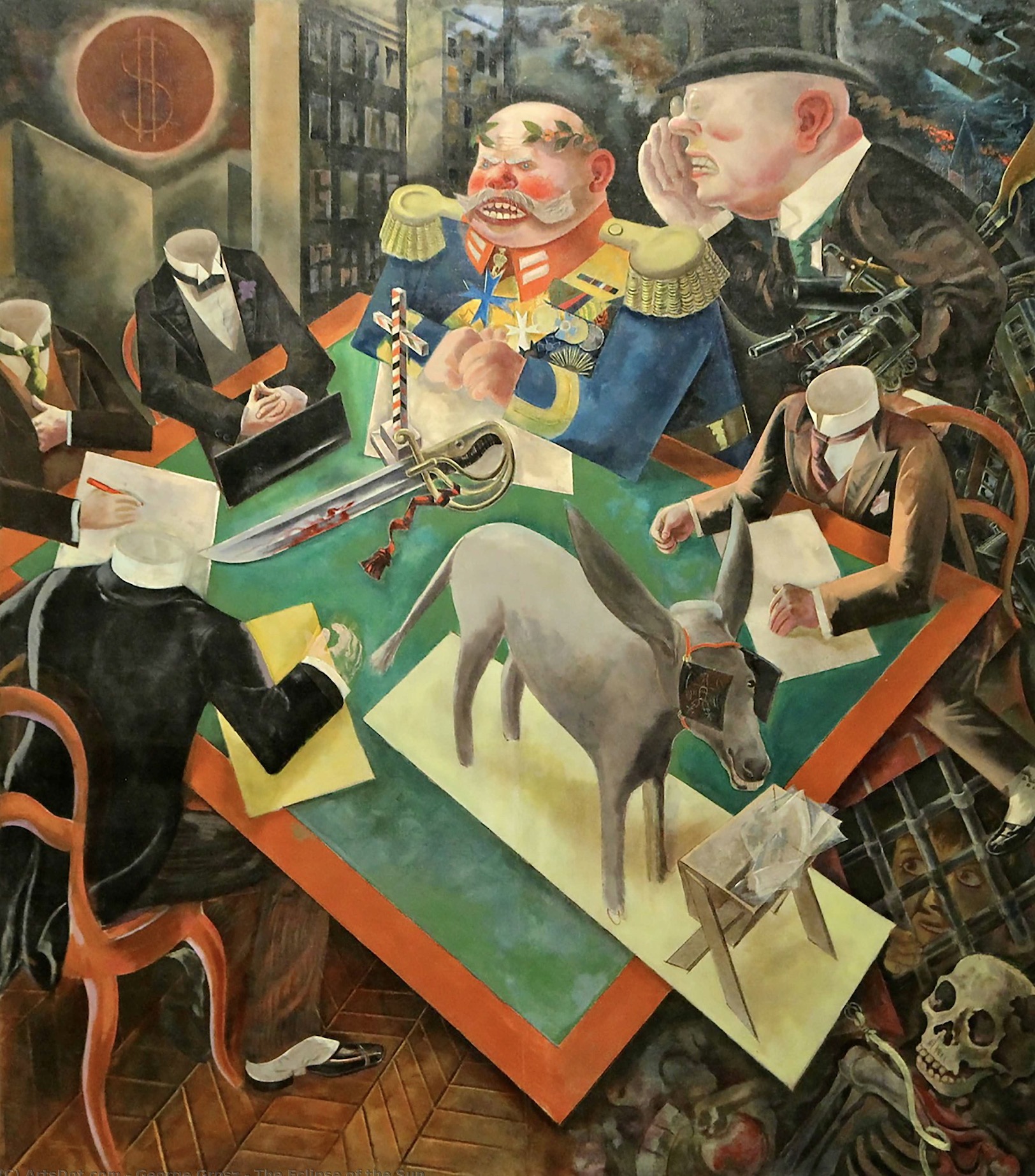
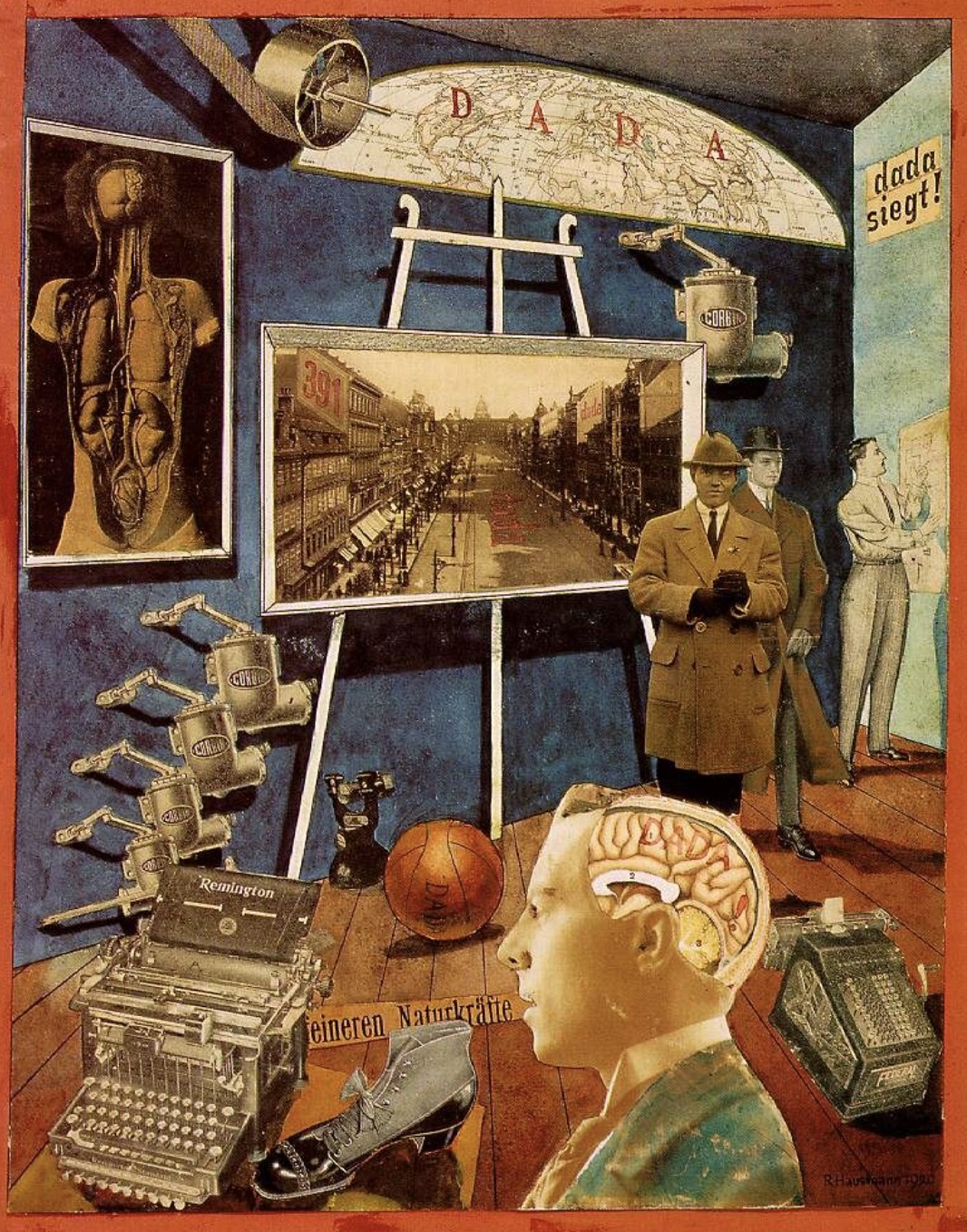
Born Samuel Rosenstock to a Jewish family in Romania, he moved to Zurich, Switzerland, during the outbreak of World War I. There, alongside artists and writers like Hugo Ball, Jean Arp, and Marcel Janco, he co-founded the Cabaret Voltaire in 1916. It was within this chaotic, anti-establishment venue that Dada was born. The movement vehemently rejected the logic, reason, and traditional aesthetics of capitalist society, which these artists believed had inevitably led to the senseless devastation of the Great War.
Tzara quickly became Dada’s chief propagandist and its most radical voice. His Dada Manifesto 1918 remains the quintessential document of the movement, outlining a commitment to absurdity, contradiction, and the dismantling of traditional artistic boundaries. His own art often took the form of “cut-up” poetry (creating verse by randomly drawing words from a hat) and provocative, noise-filled live performances designed to shock audiences.
In 1919, Tzara relocated to Paris to join forces with the French literary avant-garde, including André Breton, Louis Aragon, and Philippe Soupault. However, ideological differences soon fractured the group. Breton sought to organize Dada’s chaotic energy into a more structured psychological exploration that would become Surrealism—a direction Tzara initially opposed, leading to bitter public disputes.
In the 1930s, Tzara’s philosophy evolved. He eventually reconciled with the Surrealists and adopted Marxist ideologies. During World War II, he was an active member of the French Resistance, an experience that deeply influenced his later work, shifting it toward more lyrical, humanistic, and politically conscious poetry. Beyond his literary output, Tzara was also a renowned collector and critical theorist of African and Oceanic art, significantly influencing how these works were perceived by the European avant-garde.
Active in others filds : Poetry, Literary and Art Criticism, Playwriting, African Art Collecting, Political Activism (French Resistance).