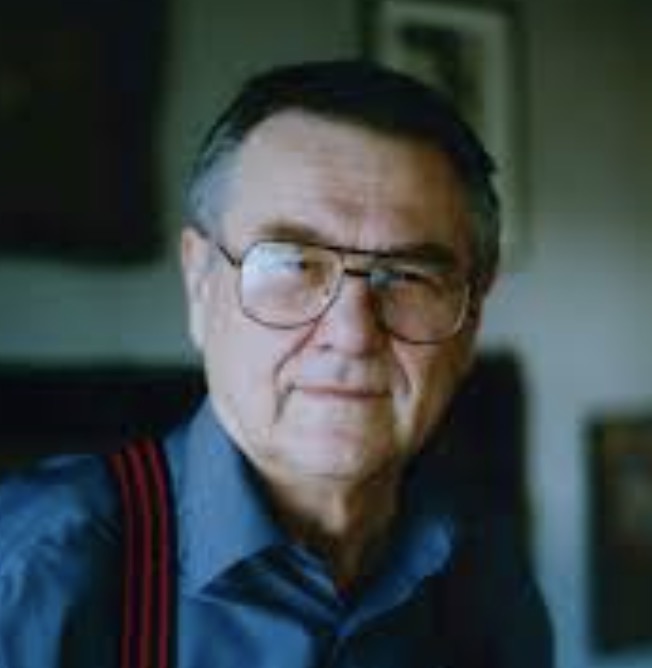



Zdzisław Beksiński (Father: Stanisław Beksiński; Spouse: Zofia Stankiewicz; Son: Tomasz Beksiński)
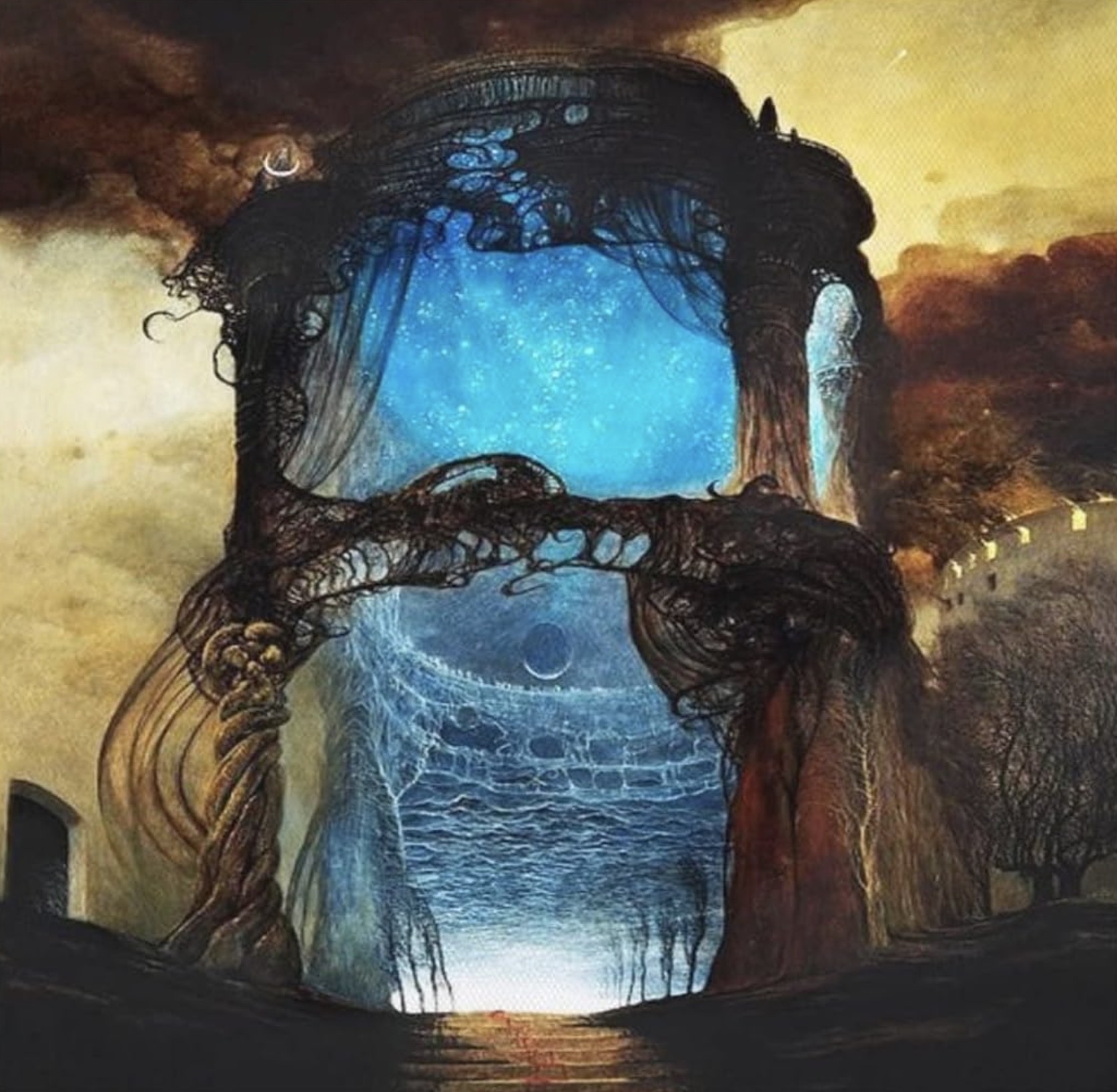
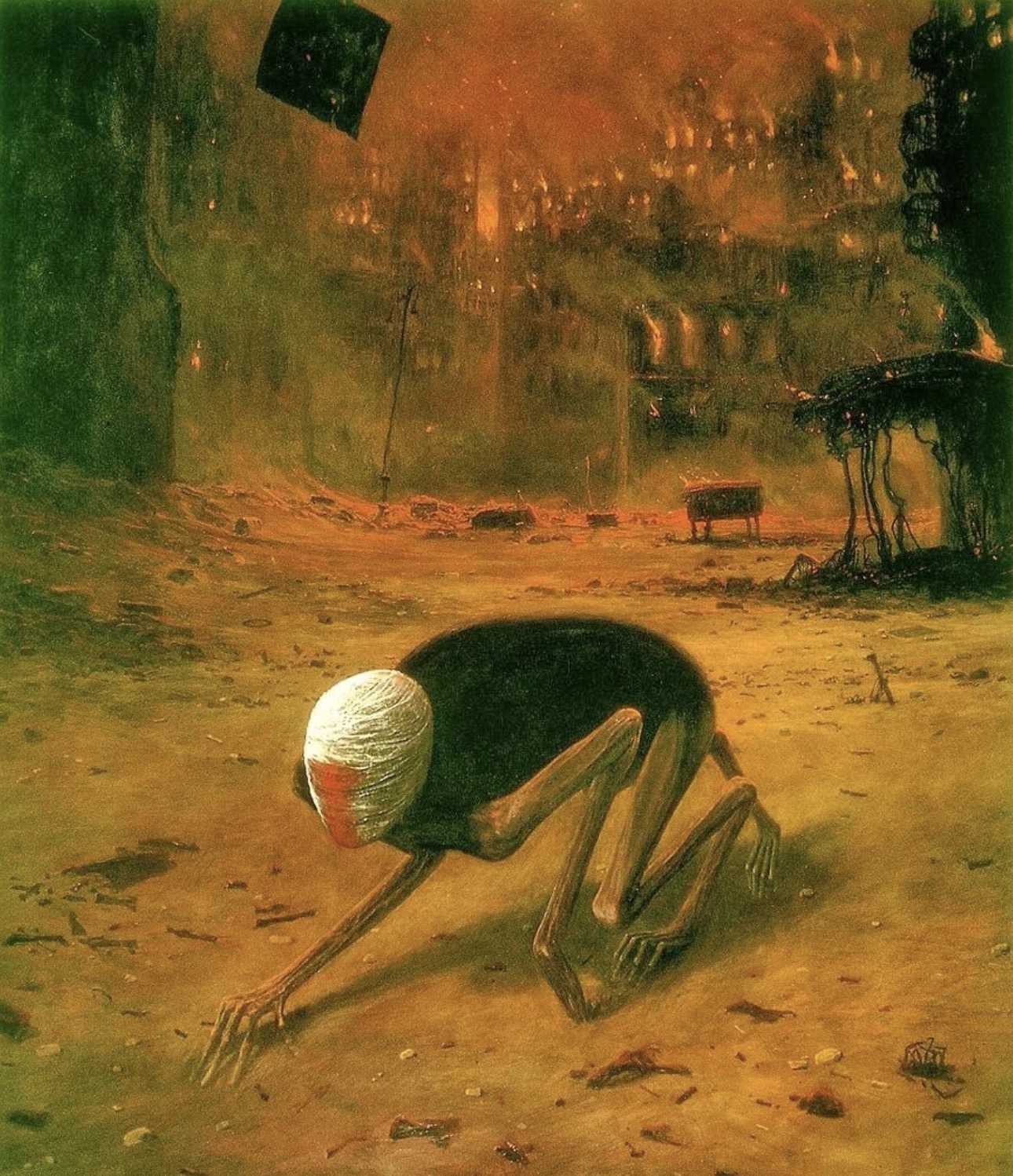
Zdzisław Beksiński (1929–2005) was a renowned Polish painter, photographer, and sculptor, famous for his “Dystopian Surrealism” style. His works are characterized by a haunting, post-apocalyptic atmosphere, featuring desolate landscapes, skeletal figures, and intricate, decayed architecture. Interestingly, Beksiński had no formal training in painting; he graduated as an architect from the Kraków University of Technology, a background that is evident in the precise structural complexity of his art.
In the 1950s, he began his career in photography and sculpture, but by the 1960s, he turned primarily to painting. His most famous period, known as his “Fantastic Period,” lasted from the late 1960s to the mid-1980s. During this time, he created unsettling images of “death, decay, and landscapes filled with skeletons and deformed figures.” Despite the dark and grim subject matter, Beksiński often claimed his works were misunderstood, suggesting they contained elements of optimism or even humor. He famously refused to provide titles for any of his paintings to prevent viewers from attaching a fixed meaning to them.
The 1990s and early 2000s saw him transition into digital art and photo manipulation, continuing to explore the surreal. His life was marked by immense personal tragedy; his wife Zofia died in 1998, and his son Tomasz, a popular radio presenter, committed suicide a year later. In a final tragic turn, Beksiński was murdered in his Warsaw apartment in 2005 by the teenage son of his long-time caretaker over a small financial dispute. Today, he is celebrated as one of Poland’s most significant contemporary artists, with a dedicated museum in his hometown of Sanok.
Active in others filds : Architecture, Photography, Sculpture, Digital Art/CG Illustration.