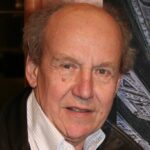
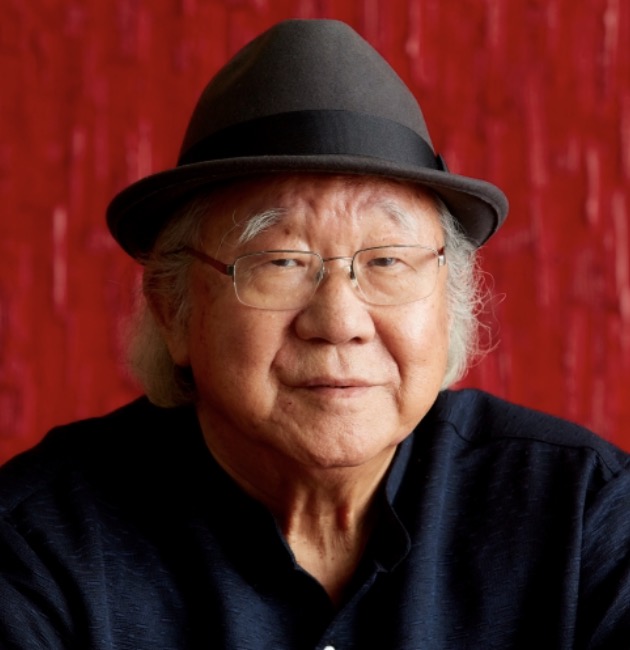

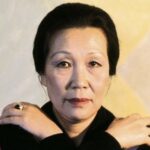
하종현 (Hangul) / 河鍾賢 (Hanja) Ha Chong-hyun (Information regarding his immediate private family is largely kept out of the public sphere)
Ha Chong-hyun (born 1935) is a pioneering figure of postwar Korean art and a leading practitioner of Dansaekhwa (Korean monochrome painting). His innovative approach to materials and the canvas has significantly expanded the boundaries of contemporary abstract painting, bridging Eastern meditative practices with Western avant-garde traditions.
Graduating from Hongik University in 1959, Ha’s early work was heavily influenced by the devastation of the Korean War and the country’s rapid, chaotic modernization. He initially aligned with the Korean Informel movement, exploring themes of trauma and reconstruction through thick, dark, and scorched materials. In 1969, he became a founding member of the Korean Avant-Garde Association (AG), pushing the limits of art by incorporating unconventional, politically charged materials like barbed wire, metal springs, and newspaper to critique the oppressive military dictatorship and censorship of the time.
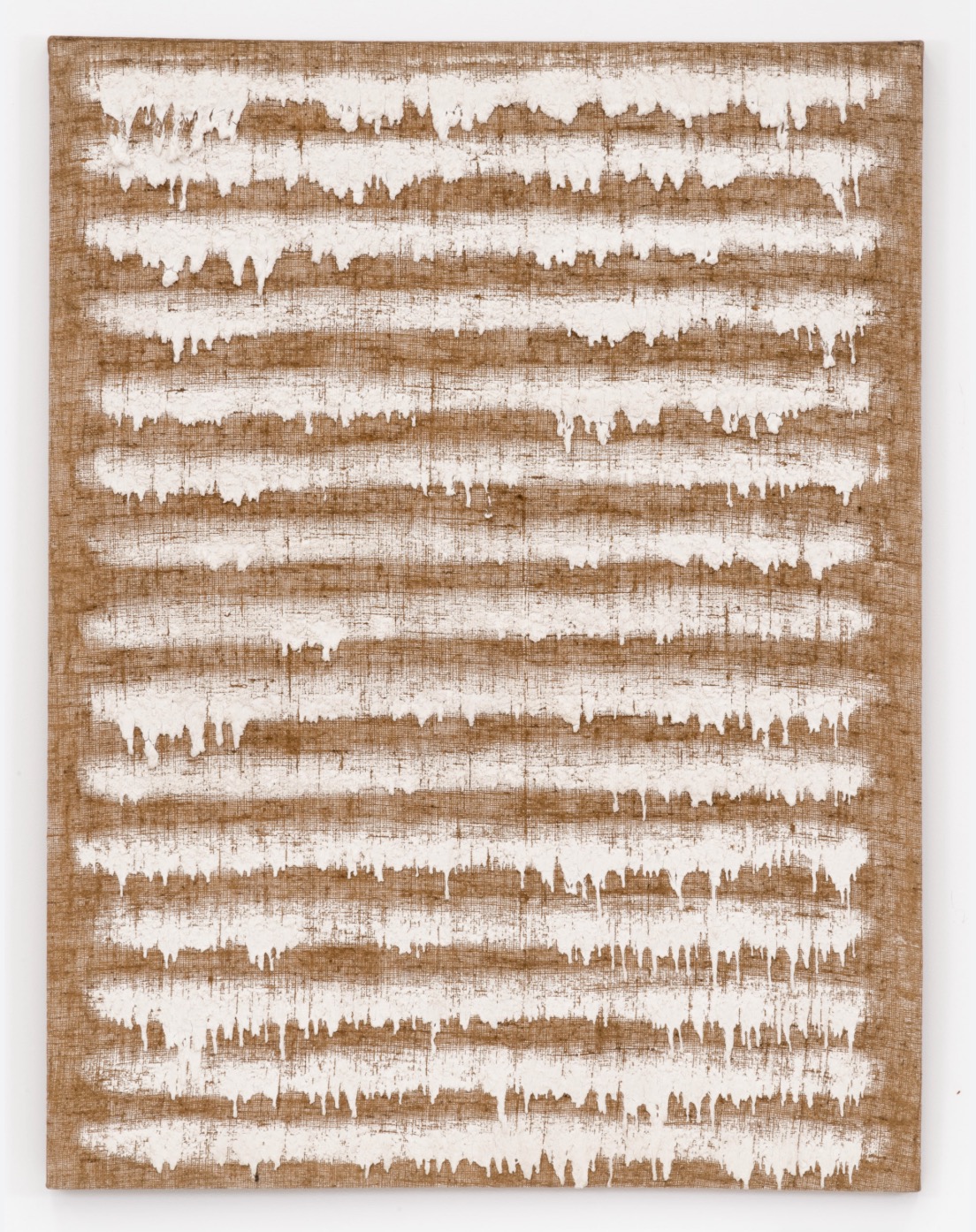
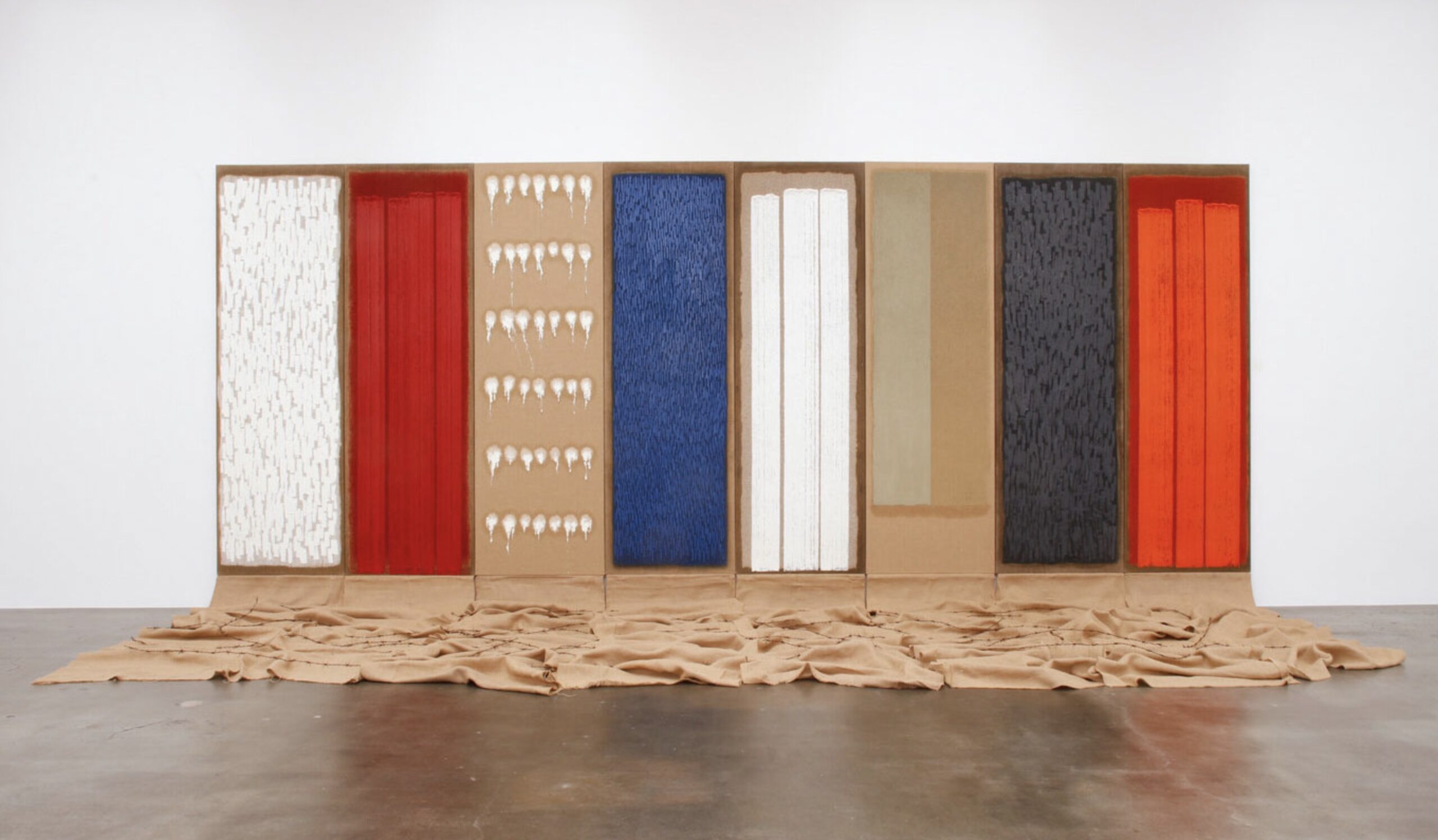
In 1974, Ha began his defining and ongoing Conjunction series, which revolutionized the relationship between paint and canvas. He developed a signature technique known as bae-ap-bop (the back-pressure method). Instead of applying paint to the front of the canvas, Ha uses coarse, loosely woven hemp (burlap) sacks—a material historically tied to US military food aid in postwar Korea—and thickly applies oil paint to the reverse side. He then forcefully pushes the paint through the weave to the front using a wooden scoop or palette knife.
Once the paint emerges on the front surface, Ha manipulates it with tools or his bare hands, blending the physical action of the artist with the inherent materiality of the canvas. This physically demanding process effectively transforms a two-dimensional surface into a three-dimensional, sculptural object, achieving a “conjunction” between mind, body, and material.
Ha served as the Dean of the College of Fine Arts at Hongik University and the Director of the Seoul Museum of Art. Today, his works are held in the permanent collections of major global institutions, including the Guggenheim, MoMA, and the Art Institute of Chicago, cementing his legacy as a titan of global contemporary abstraction.
Active in others filds : Art Education (Professor and Dean at Hongik University), Museum Administration (Director of the Seoul Museum of Art).