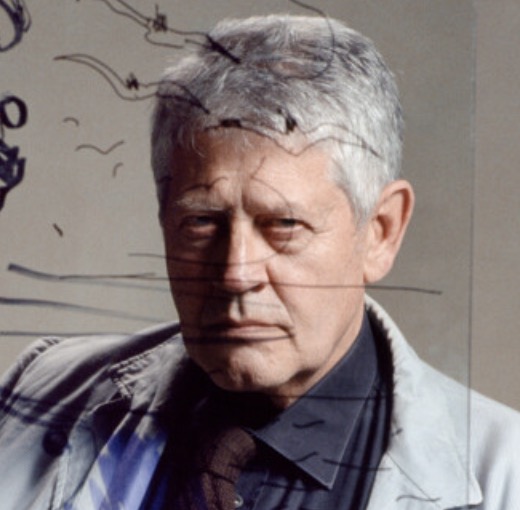




(Italian uses the Latin alphabet) Real name and family : Hugo Eugenio Pratt (Father: Rolando Pratt; Mother: Evelina Genero; Grandfather: Eugenio Genero, a poet; Spouse: Anne Frognier; Children: Lucas, Marina, Silvina, and Jonas)
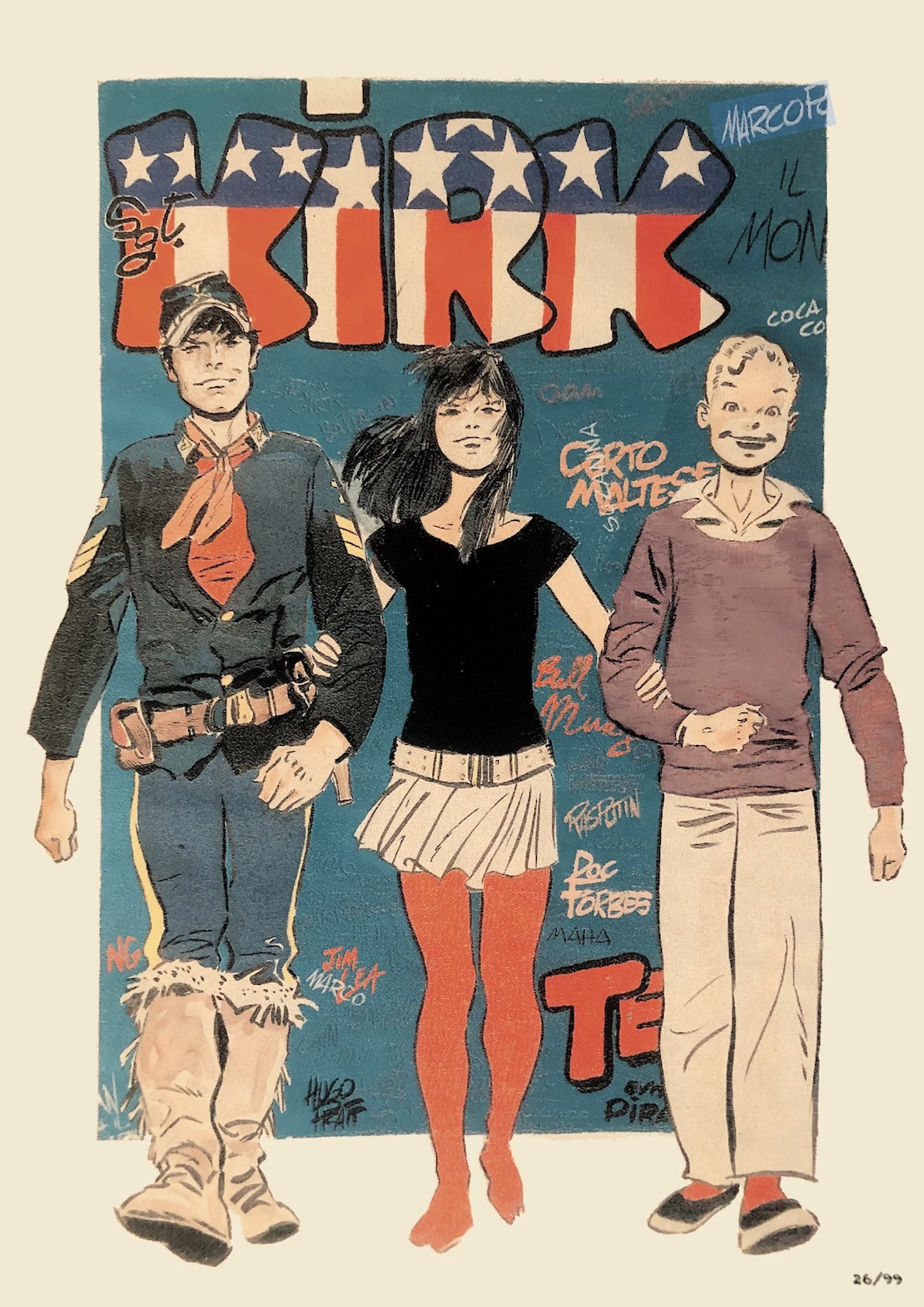
Hugo Pratt (1927–1995) was a world-renowned Italian comic book creator and a master of graphic storytelling, best known for creating the iconic character Corto Maltese. He is often credited with elevating comics to the level of serious literature, earning him a place as one of the most respected authors in the “Ninth Art.”
Pratt’s life was as adventurous as his stories. Raised in Venice and later moving to Ethiopia during the Italian occupation (where he was a teenage soldier), his global travels shaped his unique artistic worldview. After World War II, he became part of the “Venice Group” of cartoonists before moving to Argentina in 1949. In Buenos Aires, he worked for editorial houses alongside legends like Alberto Breccia and Héctor Germán Oesterheld, refining a style characterized by a mastery of “chiaroscuro”—the dramatic use of stark black and white.
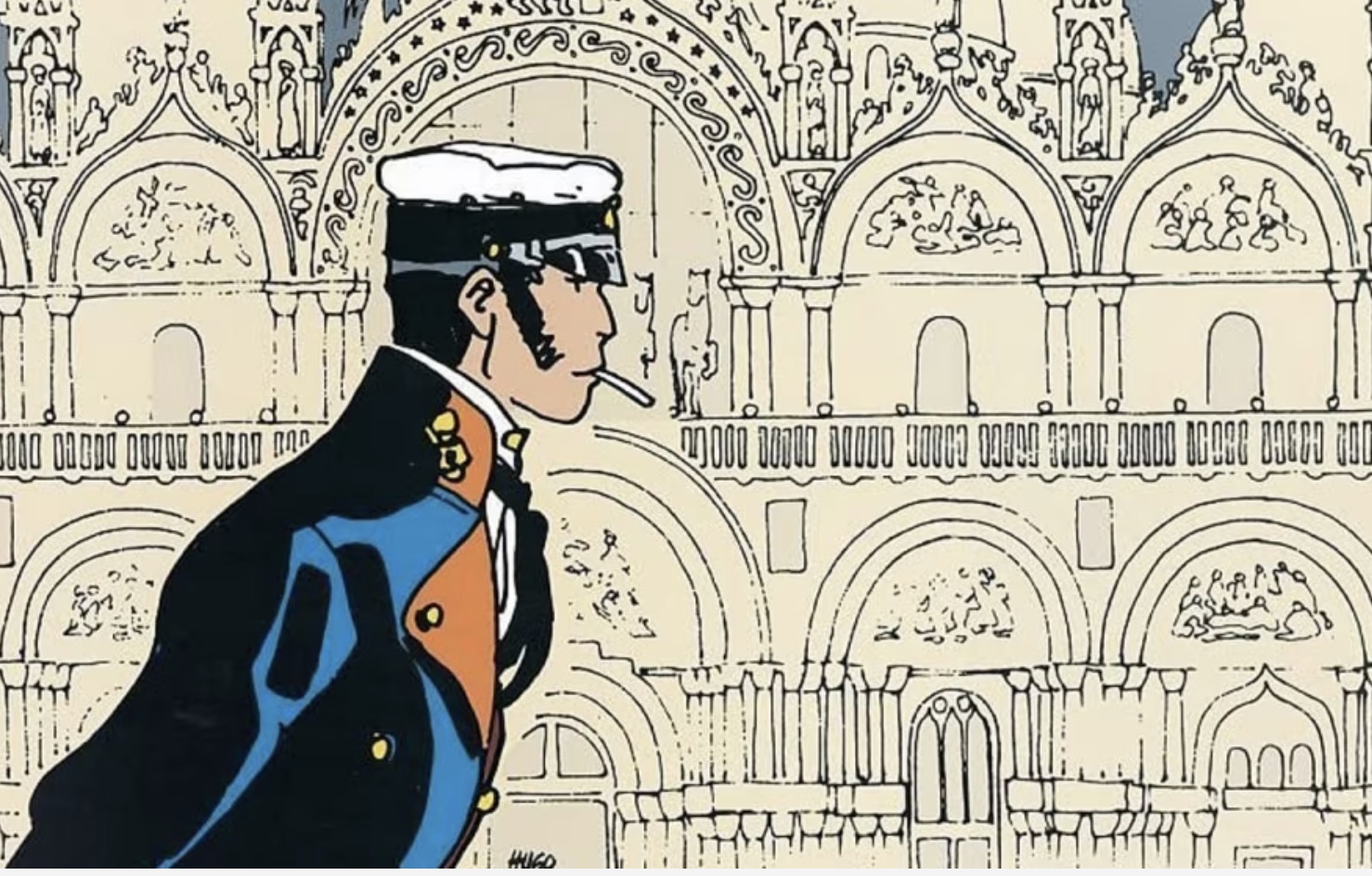
In 1967, Pratt created his masterpiece, Ballad of the Salty Sea, which introduced the enigmatic, anti-heroic sailor Corto Maltese. Unlike the black-and-white morality of earlier adventure comics, Pratt’s work was deeply philosophical, historical, and poetic. His drawing style evolved from dense, detailed ink work into a more minimalist, “economical” line where a single stroke could suggest an entire landscape or emotion. He was a master of watercolours, using them to add atmospheric, dreamy layers to his graphic novels.
Pratt’s influence on the medium is immeasurable; he demonstrated that comics could tackle complex themes of mysticism, politics, and historical tragedy. He spent his final years in Switzerland, surrounded by a massive personal library of over 30,000 books, which served as the research foundation for his deeply intelligent narratives.
Active in others filds : Writing (Novels and Poetry), Acting (appeared in films like Mauvais Sang), Illustration for classic literature.