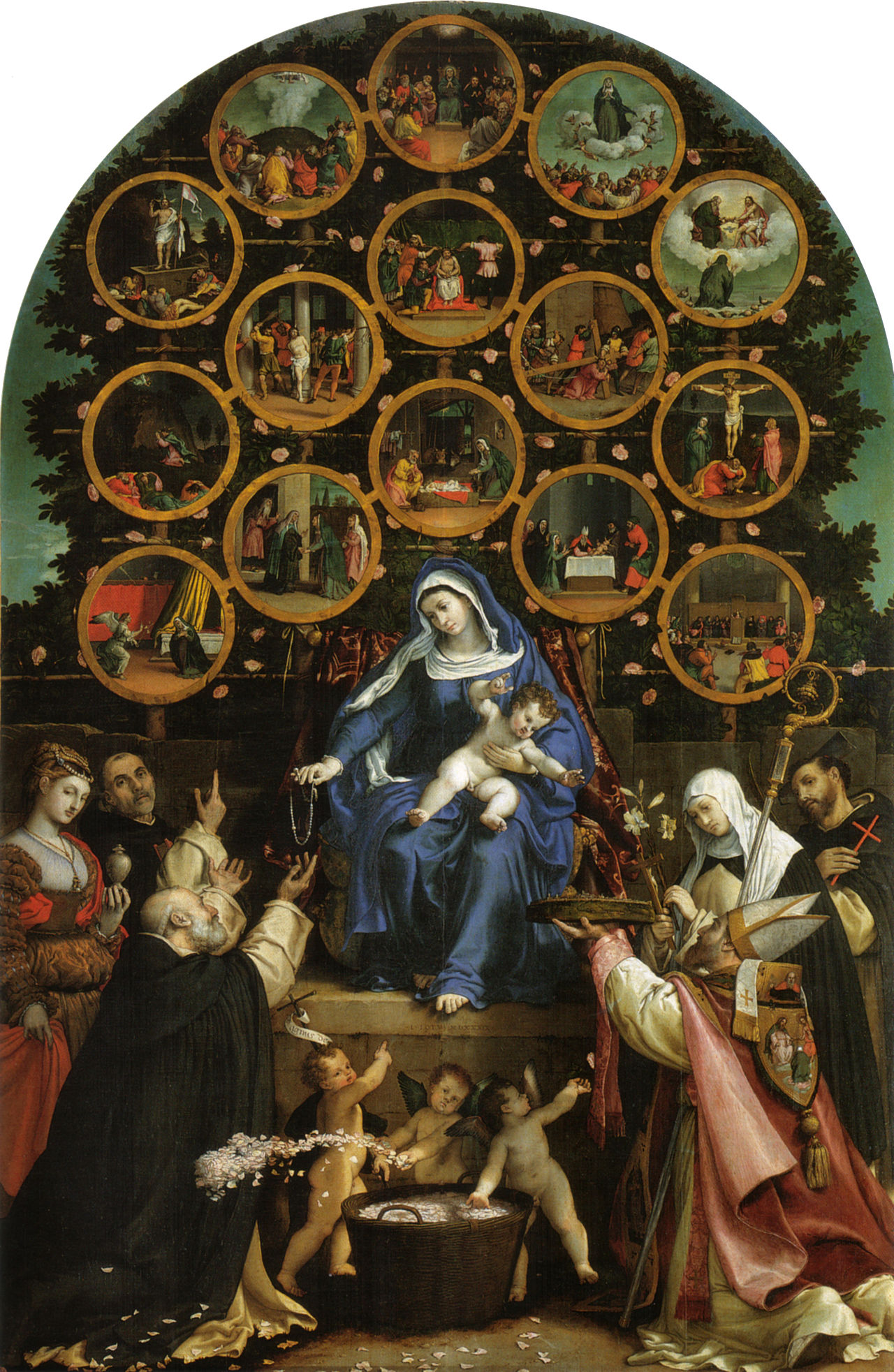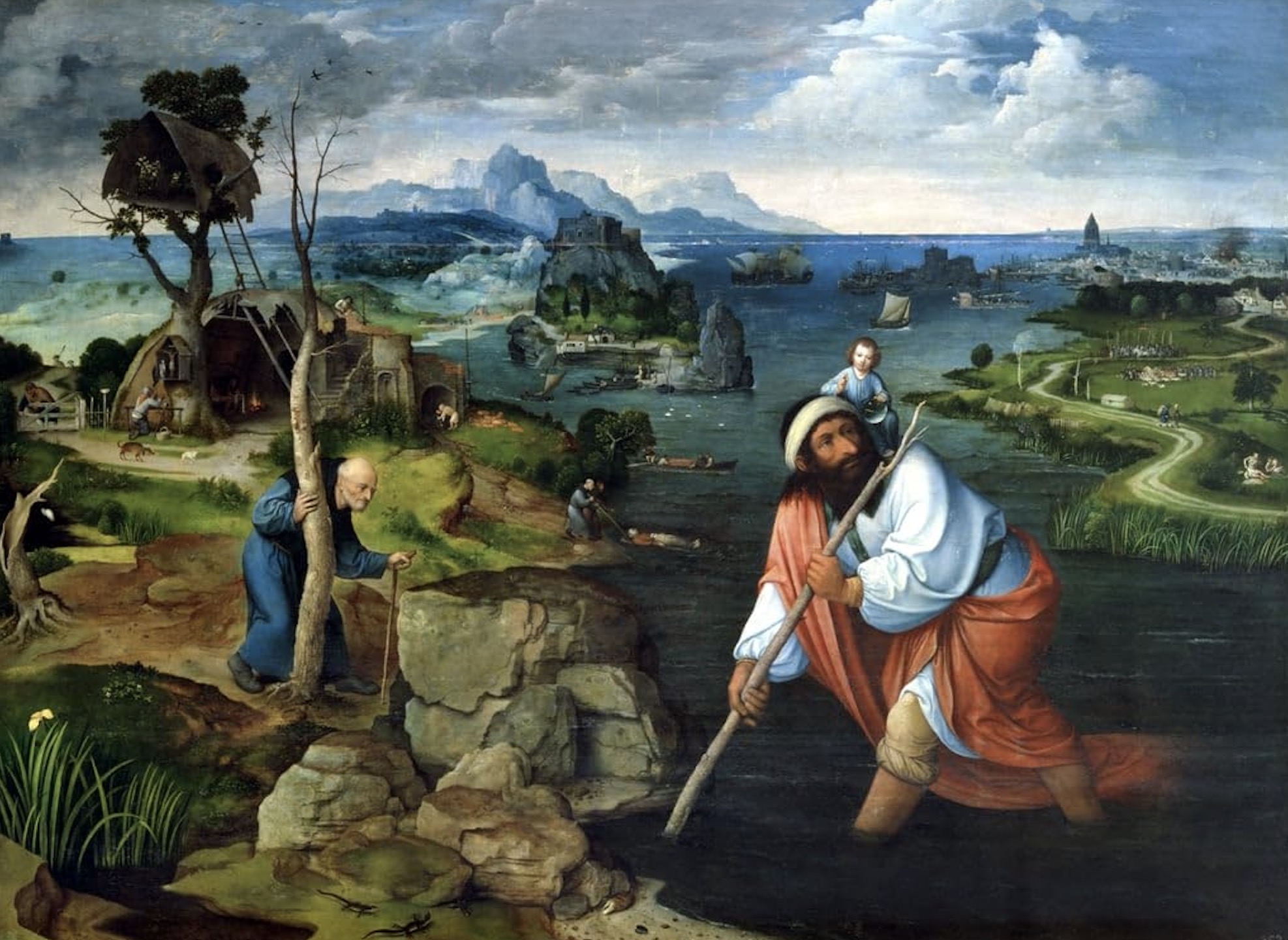



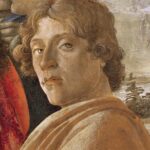

Tintoretto (1518–1594) was one of the greatest painters of the Venetian school and arguably the last great painter of the Italian Renaissance. Born Jacopo Robusti, he earned his nickname “Tintoretto” (little dyer) because his father was a fabric dyer (tintore). Known for his phenomenal energy and rapid execution, he was often called “Il Furioso” (The Furious).
Tintoretto spent virtually his entire life in Venice. Legend holds that he was briefly a student of the great Titian, but was dismissed after only ten days—allegedly due to Titian’s jealousy of the boy’s drafting ability. This rejection fueled Tintoretto’s ambition. He famously inscribed the motto of his artistic goal on his studio wall: “Il disegno di Michelangelo ed il colorito di Tiziano” (“The drawing of Michelangelo and the color of Titian”).
His breakthrough came in 1548 with The Miracle of the Slave (or St. Mark Liberating the Slave), commissioned for the Scuola Grande di San Marco. This work showcased his signature style: dramatic lighting (chiaroscuro), daring foreshortening, and a theatrical, almost pre-Baroque sense of movement.
His masterpiece is the vast cycle of paintings for the Scuola Grande di San Rocco (1564–1588), often called “Tintoretto’s Sistine Chapel.” Over two decades, he decorated the ceilings and walls of this confraternity building with massive canvases depicting the life of Christ and the Virgin Mary.
Tintoretto was also a formidable portraitist and executed the largest oil painting in the world at the time, Il Paradiso (c. 1588–1592), for the Doge’s Palace in Venice. Unlike his rivals Titian and Veronese, who painted for the courts of Europe, Tintoretto worked almost exclusively for Venetian churches, confraternities, and the state, embodying the spirit of the city itself.
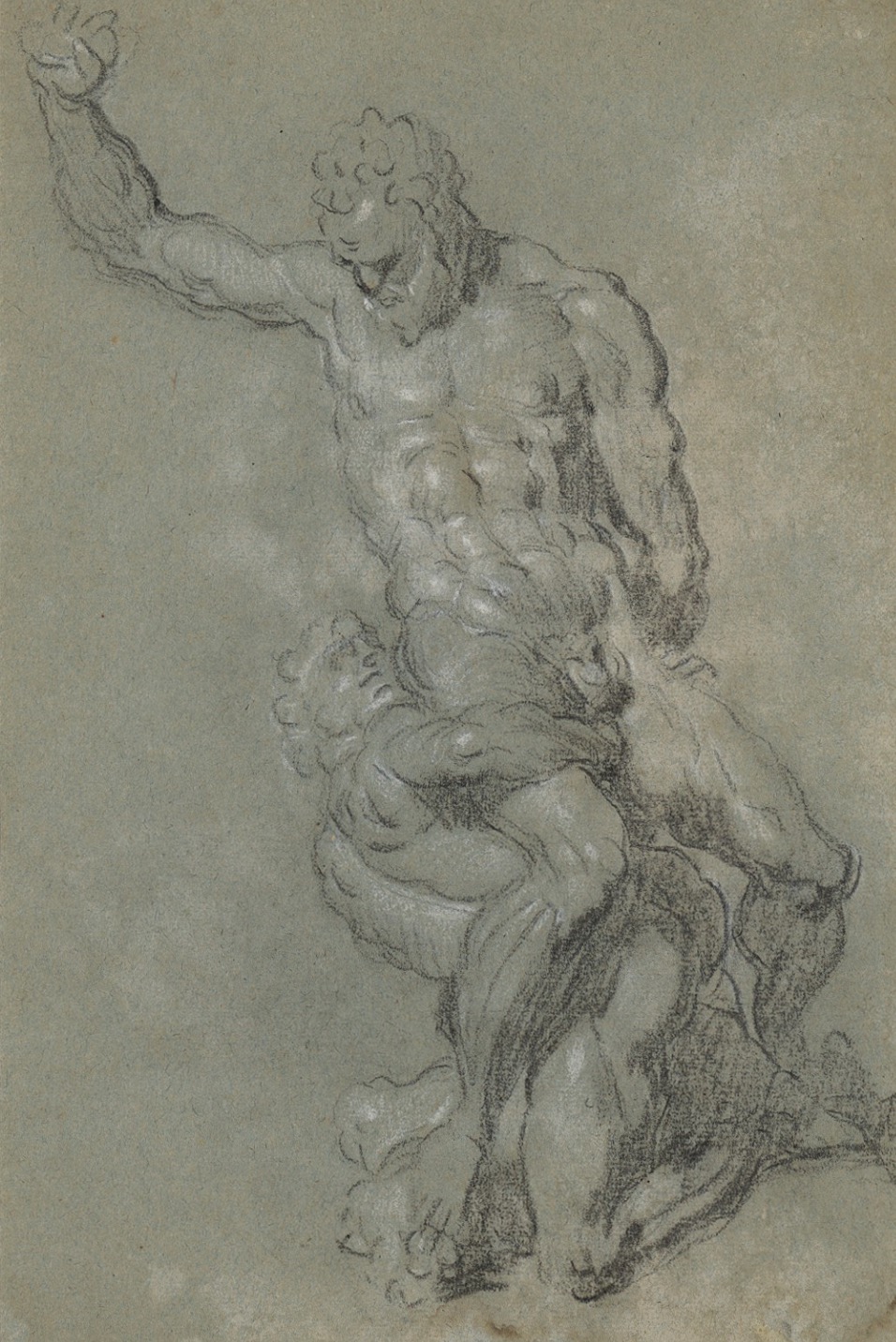
Active in others filds : Drawing (prolific draftsman using wax models for lighting studies).