Simone Martini
Simone Martini (c. 1284 – 1344) was an Italian painter born in Siena. He was a major figure in the development of early Italian painting and greatly influenced the development of the International Gothic style. It is thought that Martini was

Paolo Uccello
Paolo Uccello (/uːˈtʃɛloʊ/ oo-CHEL-oh, Italian: [ˈpaːolo utˈtʃɛllo]; 1397 – 10 December 1475), born Paolo di Dono, was a Florentine painter and mathematician who was notable for his pioneering work on visual perspective in art. In his book Lives of the Most Excellent Painters, Sculptors, and Architects, Giorgio Vasari wrote

Pietro Annigoni
Pietro Annigoni (Spouses: Anna Giugni, Leda Rossi, Rosella Segreto) was a master Italian painter renowned for his uncompromising dedication to traditional figurative art during the height of 20th-century abstraction. Born in Milan, he showed an

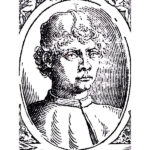
Piero della Francesca
Piero della Francesca (/ˌpjɛəroʊ ˌdɛlə frænˈtʃɛskə/,[2] also US: /- frɑːnˈ-/,[3][4] Italian: [ˈpjɛːro della franˈtʃeska] (listen); c. 1415[1] – 12 October 1492), originally named Piero di Benedetto, was an Italian painter of the Early Renaissance. To contemporaries he was also known as a mathematician and geometer.[5] Nowadays Piero della Francesca is chiefly appreciated for his

Annibale Carracci
Annibale Carracci (Italian pronunciation: [anˈniːbale karˈrattʃi]; November 3, 1560 – July 15, 1609) was an Italian painter and instructor, active in Bologna and later in Rome. Along with his brother and cousin, Annibale was one of the progenitors, if not founders of a

Tintoretto
Jacopo Comin (Later called Robusti; Father: Giovanni Battista Comin, a cloth dyer or tintore; Spouse: Faustina de Vescovi; Children: Domenico Robusti, Marietta Robusti, and Marco Robusti, who all became painters in his workshop) was one

Giotto di Bondone
Giotto di Bondone ( c. 1267[a] – January 8, 1337),[2][3] known mononymously as Giotto [6] and Latinised as Giottus, was an Italian painter and architect from Florence during the Late Middle Ages. He worked during the Gothic/Proto-Renaissance period.[7] Giotto’s contemporary, the banker and chronicler Giovanni Villani, wrote that Giotto was “the most sovereign master of painting in
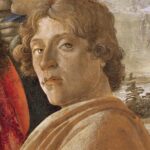
Sandro Botticelli
Alessandro di Mariano di Vanni Filipepi (Father: Mariano di Vanni Filipepi, a tanner; Mother: Smeralda; Never married and lived most of his life in the family home) was one of the most prolific and celebrated

Giovanni Battista Tiepolo
Giovanni Battista Tiepolo (Father: Domenico Tiepolo; Mother: Orsetta; Spouse: Maria Cecilia Guardi; Notable children: Painters Giovanni Domenico Tiepolo and Lorenzo Baldissera Tiepolo) Giovanni Battista (Giambattista) Tiepolo (1696–1770) was the last great master of the Venetian
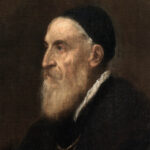
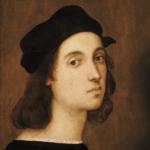
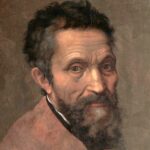
Michelangelo
Michelangelo di Lodovico Buonarroti Simoni (Father: Lodovico di Leonardo Buonarroti Simoni, a government official; Mother: Francesca di Neri del Miniato di Siena; He never married and had no children, leaving his legacy to his nephew,

Leonardo Da Vinci
Leonardo di ser Piero da Vinci (Father: Messer Piero Fruosino di Antonio da Vinci, a wealthy Florentine legal notary; Mother: Caterina di Meo Lippi, a local peasant woman. He was born out of wedlock and
Simone Martini
Simone Martini (c. 1284 – 1344) was an Italian painter born in Siena. He was a major figure in the development of early Italian painting and greatly influenced the development of the International Gothic style. It is thought that Martini was
Paolo Uccello
Paolo Uccello (/uːˈtʃɛloʊ/ oo-CHEL-oh, Italian: [ˈpaːolo utˈtʃɛllo]; 1397 – 10 December 1475), born Paolo di Dono, was a Florentine painter and mathematician who was notable for his pioneering work on visual perspective in art. In his book Lives of the Most Excellent Painters, Sculptors, and Architects, Giorgio Vasari wrote
Pietro Annigoni
Pietro Annigoni (Spouses: Anna Giugni, Leda Rossi, Rosella Segreto) was a master Italian painter renowned for his uncompromising dedication to traditional figurative art during the height of 20th-century abstraction. Born in Milan, he showed an
Piero della Francesca
Piero della Francesca (/ˌpjɛəroʊ ˌdɛlə frænˈtʃɛskə/,[2] also US: /- frɑːnˈ-/,[3][4] Italian: [ˈpjɛːro della franˈtʃeska] (listen); c. 1415[1] – 12 October 1492), originally named Piero di Benedetto, was an Italian painter of the Early Renaissance. To contemporaries he was also known as a mathematician and geometer.[5] Nowadays Piero della Francesca is chiefly appreciated for his
Annibale Carracci
Annibale Carracci (Italian pronunciation: [anˈniːbale karˈrattʃi]; November 3, 1560 – July 15, 1609) was an Italian painter and instructor, active in Bologna and later in Rome. Along with his brother and cousin, Annibale was one of the progenitors, if not founders of a
Tintoretto
Jacopo Comin (Later called Robusti; Father: Giovanni Battista Comin, a cloth dyer or tintore; Spouse: Faustina de Vescovi; Children: Domenico Robusti, Marietta Robusti, and Marco Robusti, who all became painters in his workshop) was one
Giotto di Bondone
Giotto di Bondone ( c. 1267[a] – January 8, 1337),[2][3] known mononymously as Giotto [6] and Latinised as Giottus, was an Italian painter and architect from Florence during the Late Middle Ages. He worked during the Gothic/Proto-Renaissance period.[7] Giotto’s contemporary, the banker and chronicler Giovanni Villani, wrote that Giotto was “the most sovereign master of painting in
Sandro Botticelli
Alessandro di Mariano di Vanni Filipepi (Father: Mariano di Vanni Filipepi, a tanner; Mother: Smeralda; Never married and lived most of his life in the family home) was one of the most prolific and celebrated
Giovanni Battista Tiepolo
Giovanni Battista Tiepolo (Father: Domenico Tiepolo; Mother: Orsetta; Spouse: Maria Cecilia Guardi; Notable children: Painters Giovanni Domenico Tiepolo and Lorenzo Baldissera Tiepolo) Giovanni Battista (Giambattista) Tiepolo (1696–1770) was the last great master of the Venetian
Michelangelo
Michelangelo di Lodovico Buonarroti Simoni (Father: Lodovico di Leonardo Buonarroti Simoni, a government official; Mother: Francesca di Neri del Miniato di Siena; He never married and had no children, leaving his legacy to his nephew,
Leonardo Da Vinci
Leonardo di ser Piero da Vinci (Father: Messer Piero Fruosino di Antonio da Vinci, a wealthy Florentine legal notary; Mother: Caterina di Meo Lippi, a local peasant woman. He was born out of wedlock and