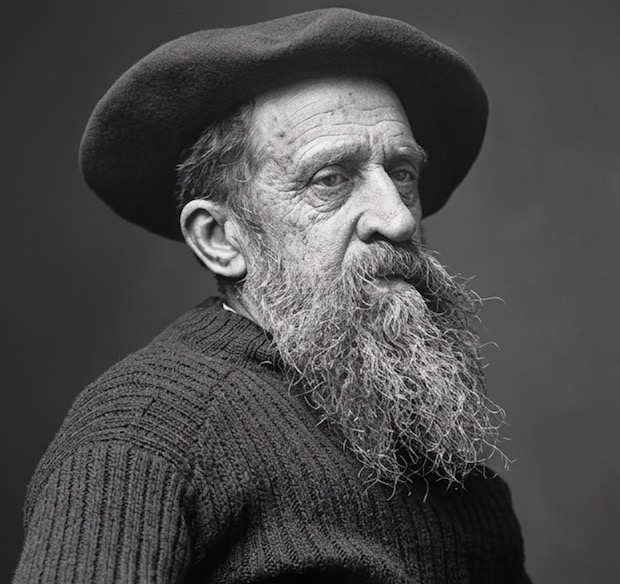




Constantin Émile Meunier (Father: Louis Meunier; Mother: Juliette Tournay; Brother: Jean-Baptiste Meunier, a noted engraver) Constantin Meunier (1831–1905) was a pioneering Belgian painter and sculptor who profoundly shaped the Social Realism movement by elevating the industrial worker to the status of classical heroes in art. He is widely celebrated for capturing the grueling reality, dignity, and monumental strength of the working class during the height of Belgium’s Industrial Revolution.
Meunier initially trained as a sculptor at the Academy of Fine Arts in Brussels, but he soon abandoned the medium for painting, feeling that the conservative sculptural traditions of the time could not express his artistic vision. For over thirty years, he worked primarily as a painter, focusing on religious scenes, historical subjects, and the lives of Trappist monks.
His true artistic awakening occurred in the late 1870s and 1880s when he visited the heavily industrialized Black Country (Hainaut) and the mining region of the Borinage in Belgium. Deeply moved by the harsh conditions, physical toll, and tragic accidents faced by the miners, factory workers, dockers, and glassblowers, Meunier radically shifted his focus. He returned to sculpture in 1885, realizing that three-dimensional forms were best suited to express the powerful, muscular tension and physical burden of the laborers.
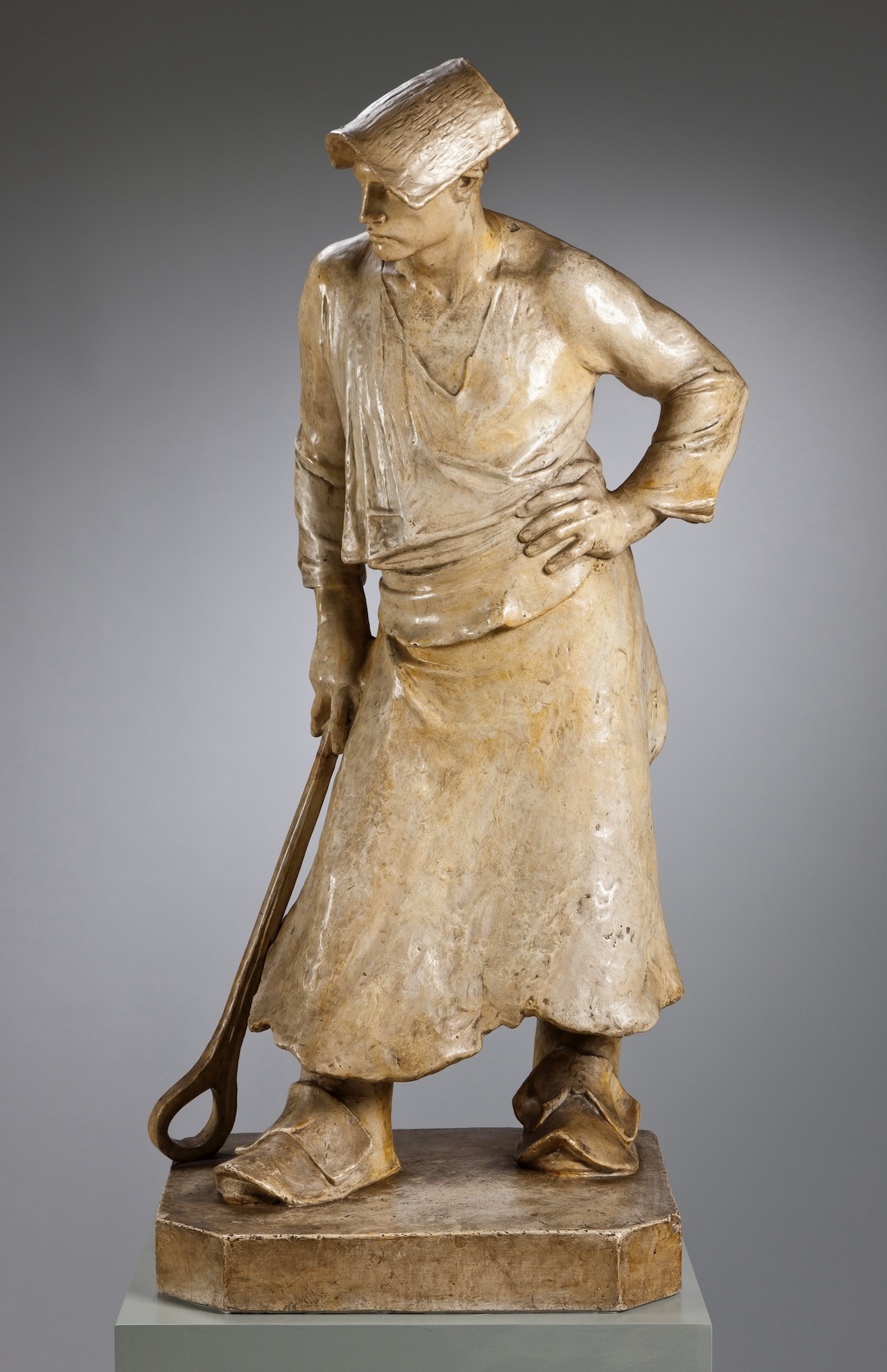
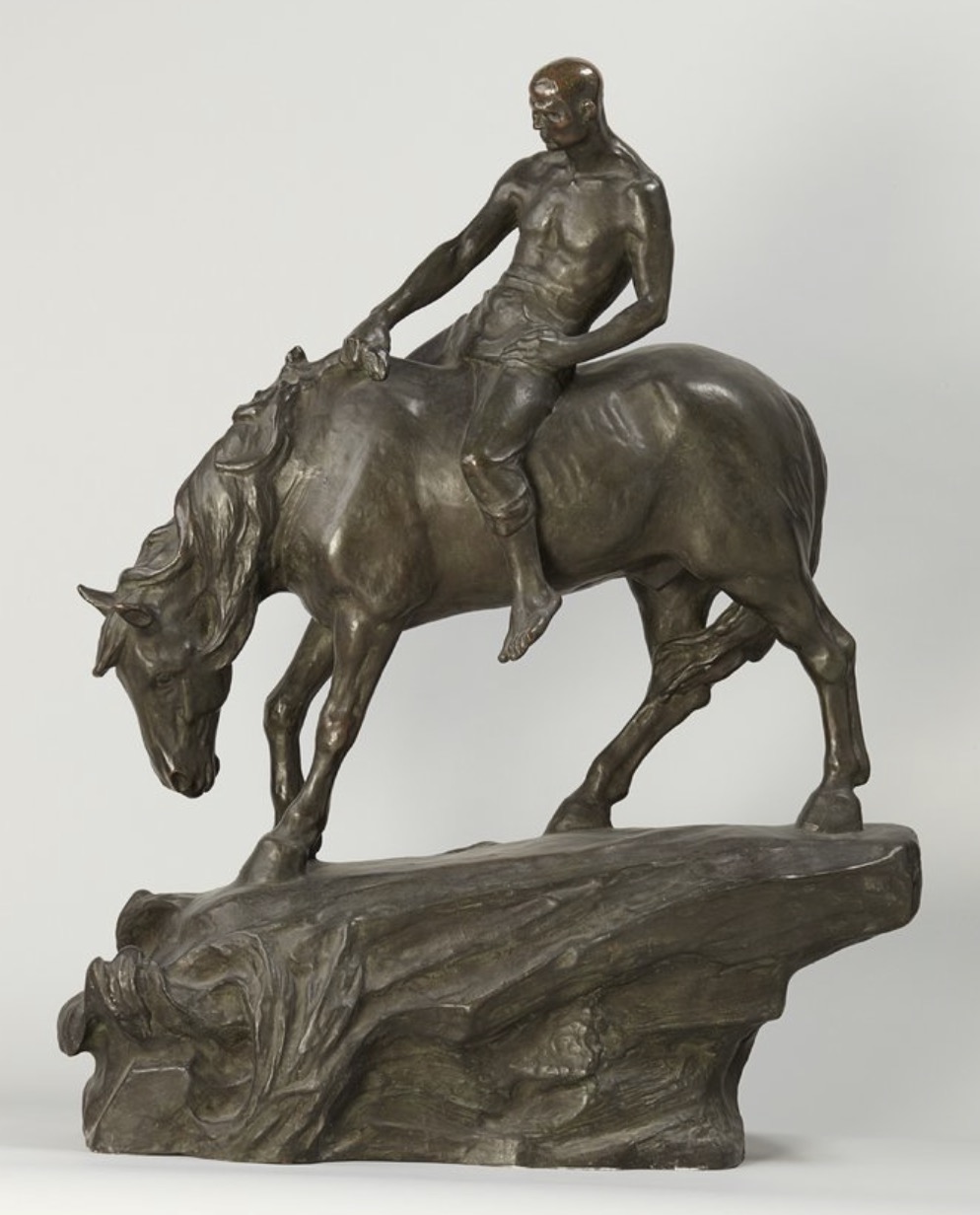
Works like The Puddler, The Hammerman, and The Docker became iconic representations of modern labor. Stripped of sentimentality or idealization, his figures possess a raw, tragic grandeur. His crowning achievement was the Monument to Labour (Monument au Travail), a massive sculptural project that occupied the last decades of his life. Comprising four major stone reliefs (Industry, The Mine, Harvest, and The Port) and several freestanding bronze figures, it stands today in Laeken, Brussels, as a tribute to the unsung heroes of the modern age.
Active in others filds : Art Education (Professor at the Academy of Fine Arts in Leuven), Drawing, Engraving.